Last updated November 22, 2026
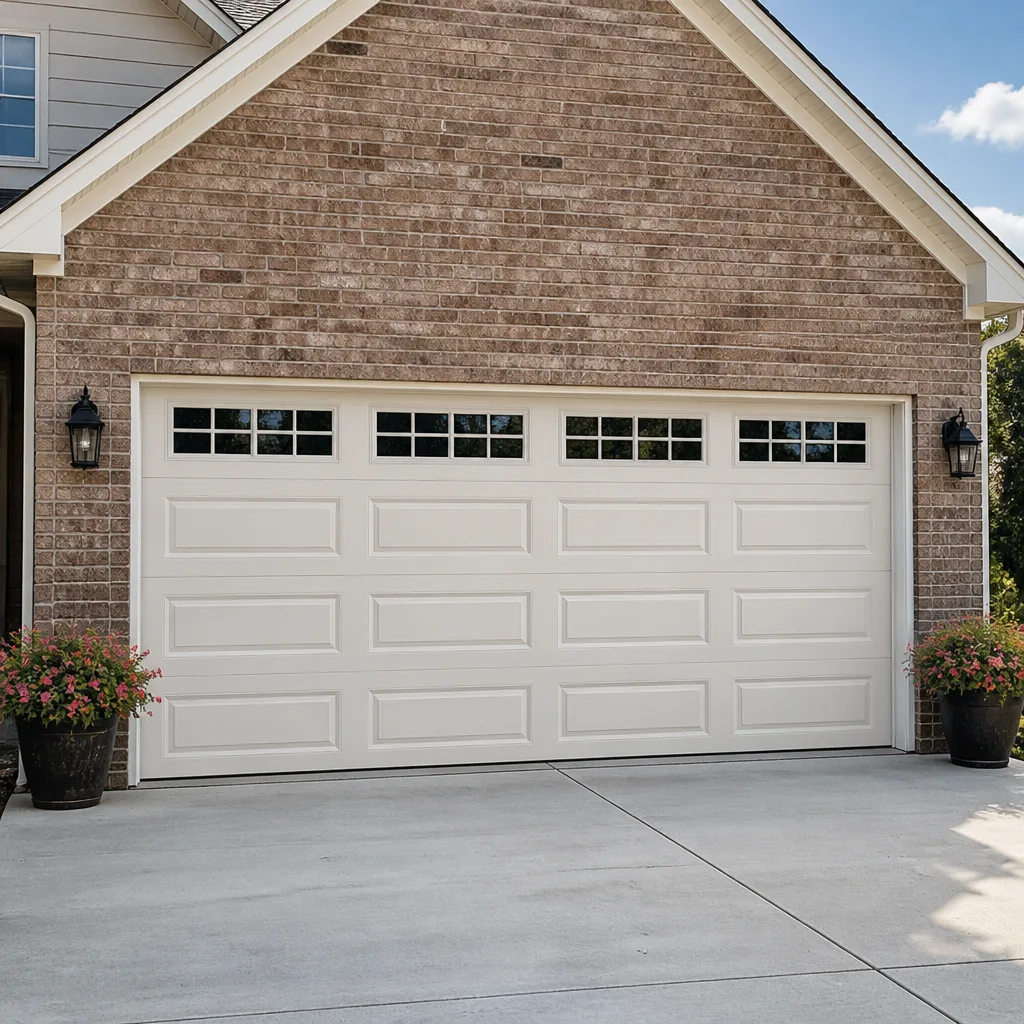 Raised-panel steel
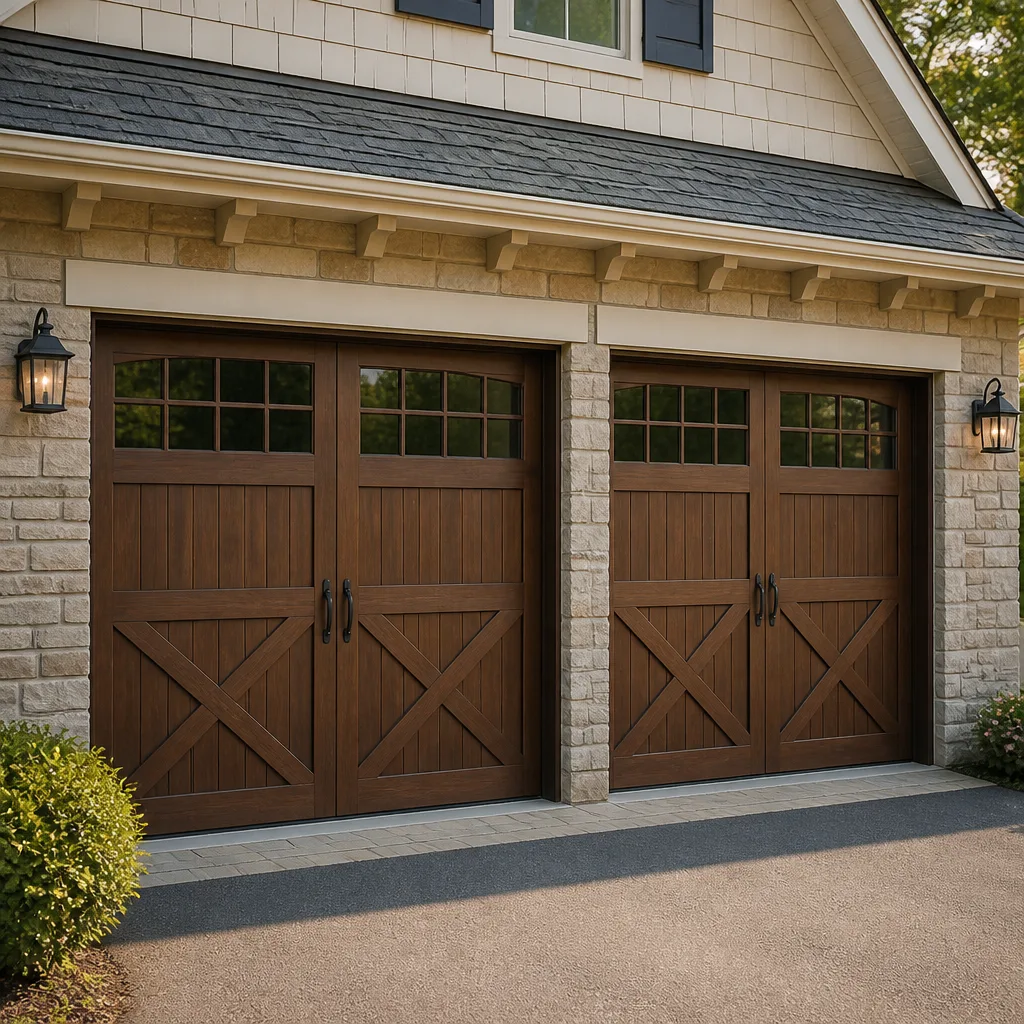 Carriage house
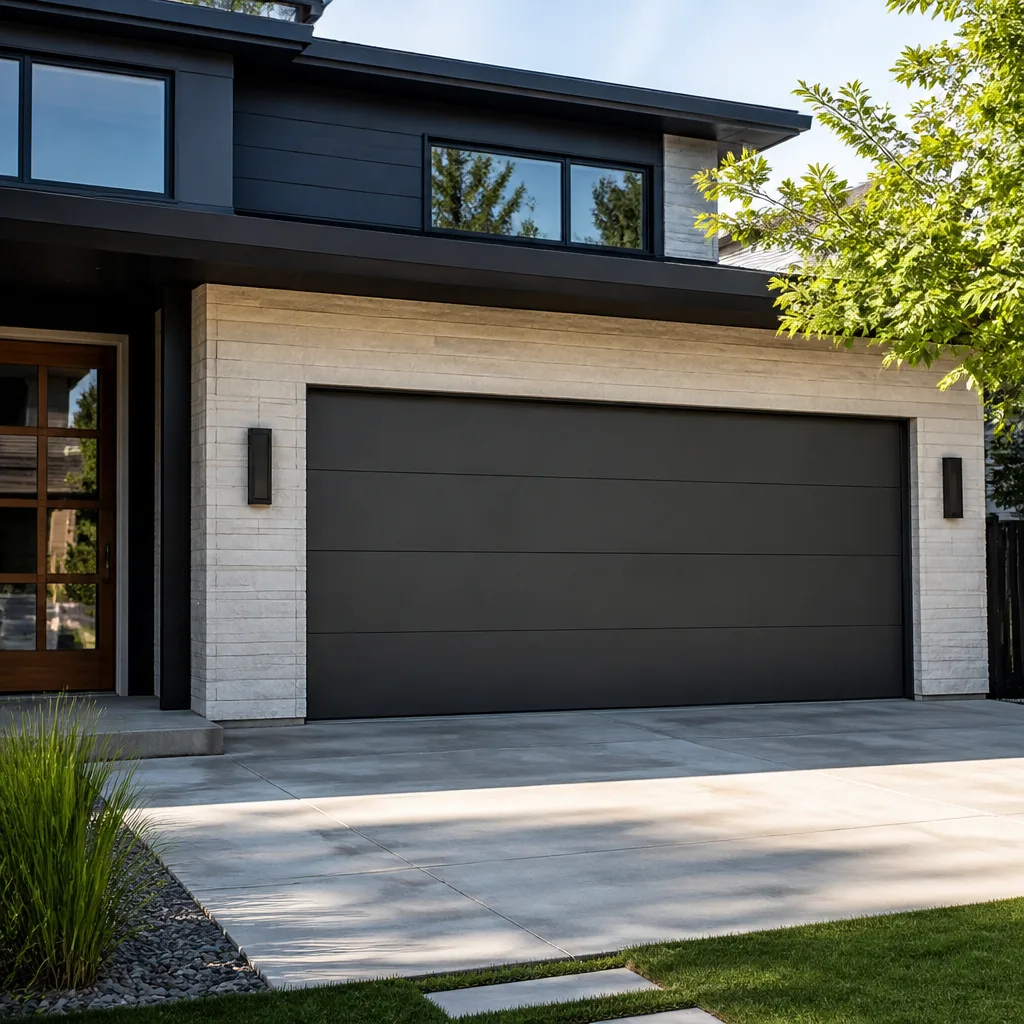 Modern flush
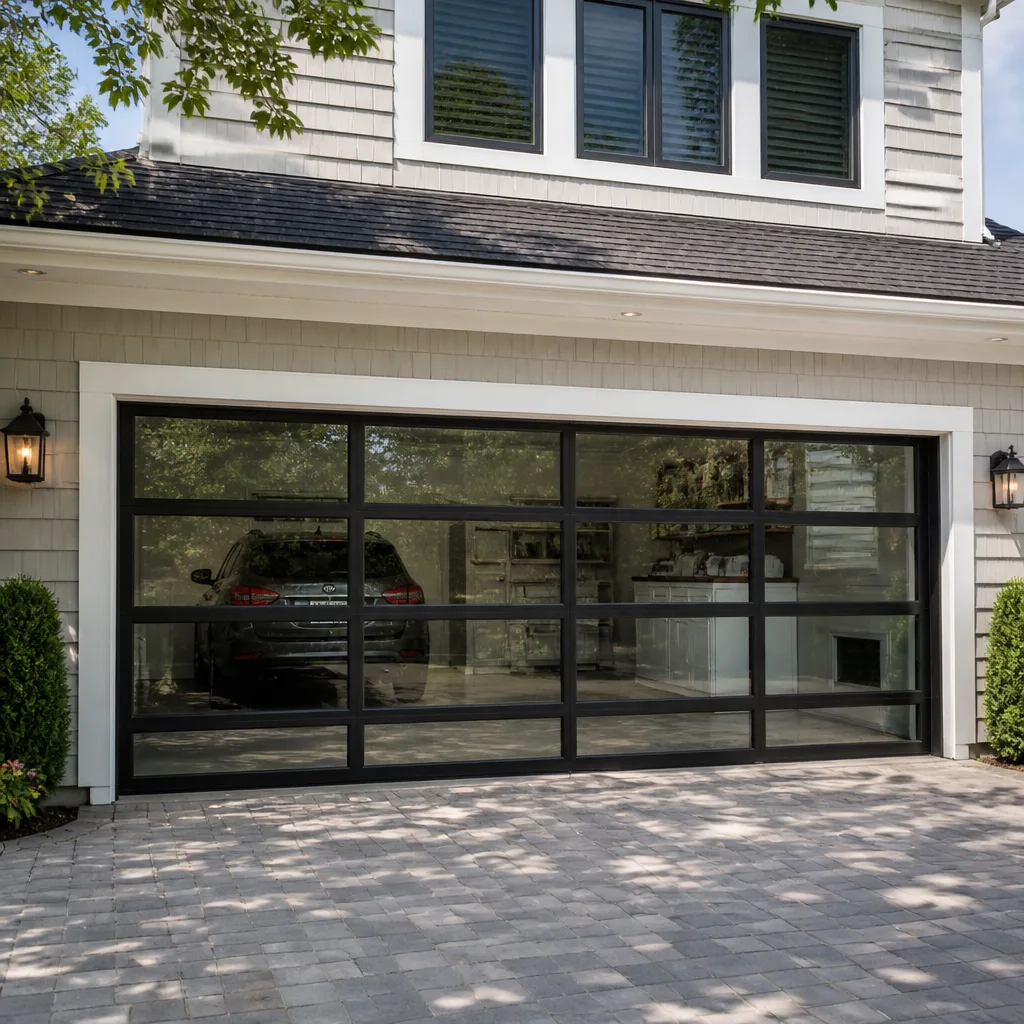 Full-view glass
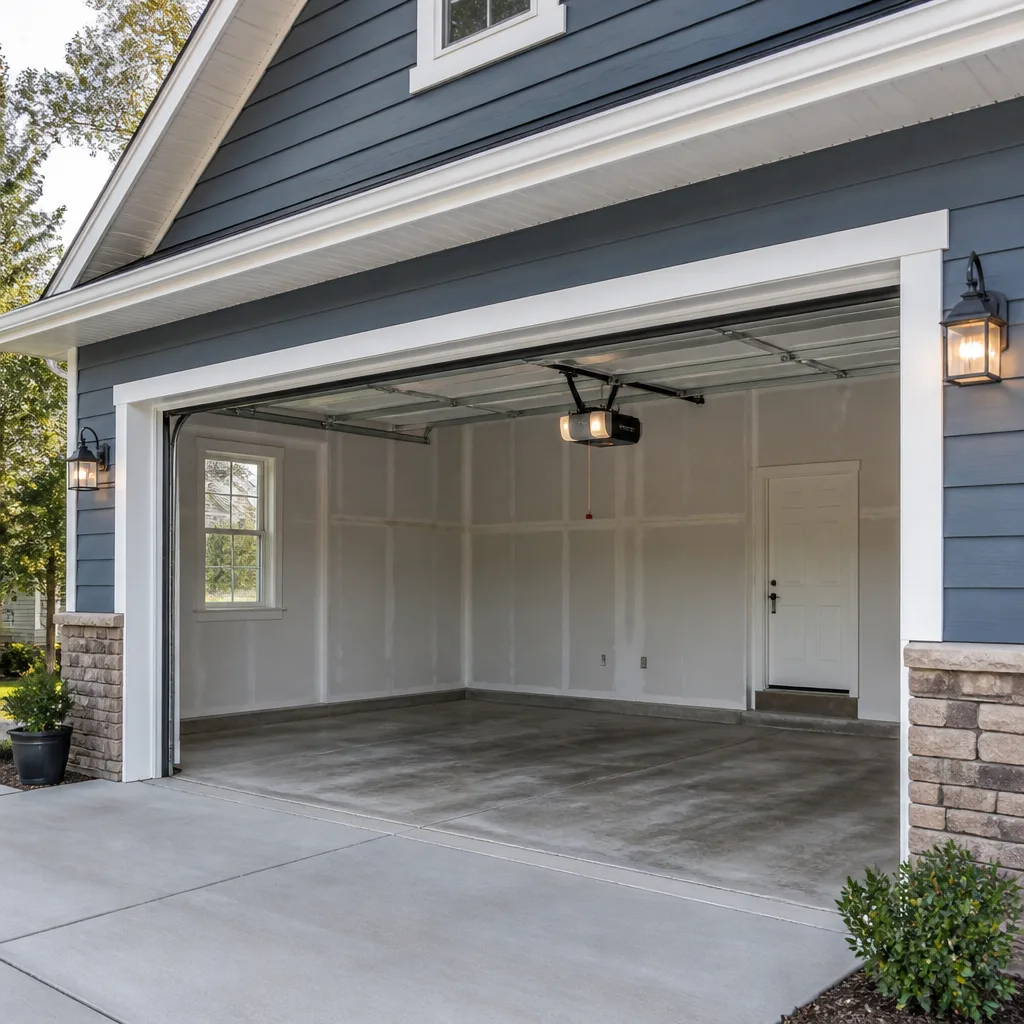 LiftMaster openers
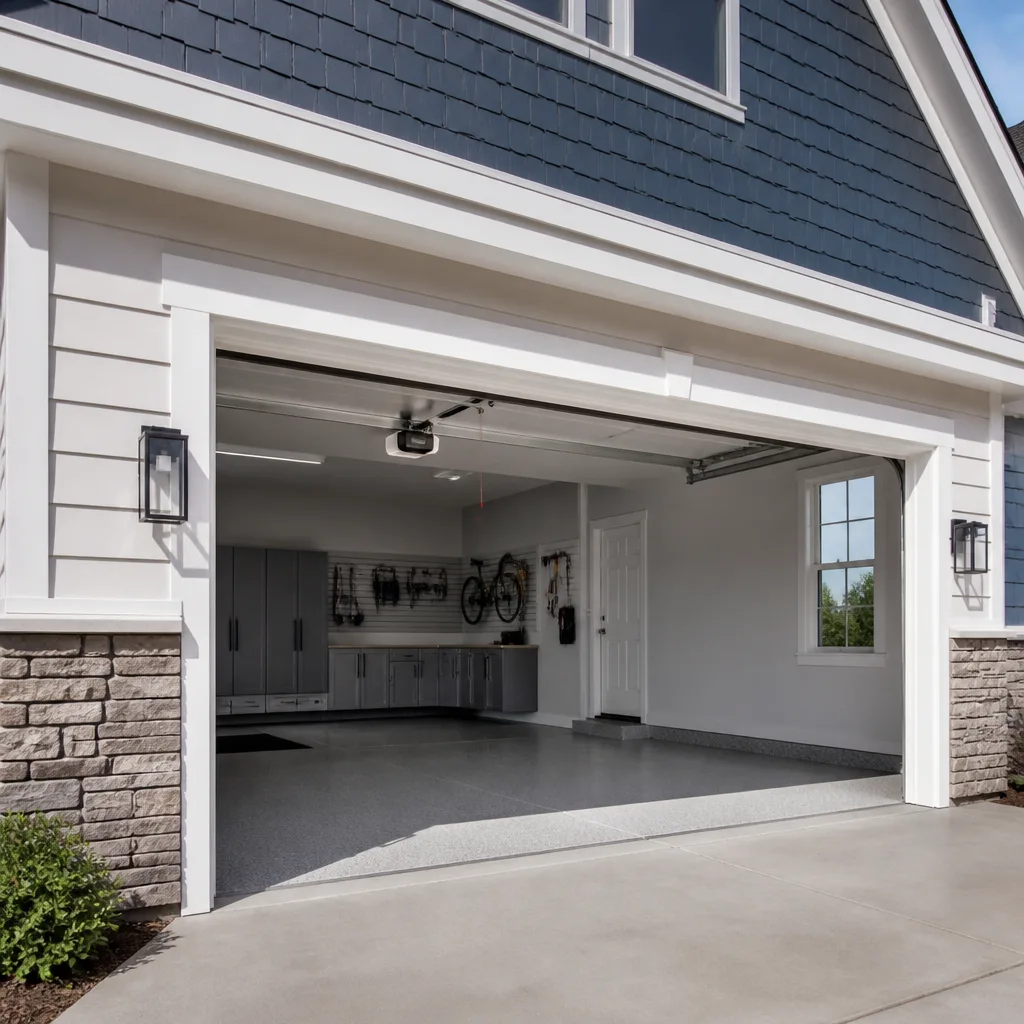 Chamberlain openers
Full 25-point door and opener safety check with every visit - springs, cables, rollers, tracks, and your LiftMaster or Chamberlain opener included
You get a price before we start. It does not change when the pro arrives.
Get your free estimateGarage Door Emergency Preparedness Guide for Broomfield Homes
The call that comes in most often during a Colorado cold snap usually isn’t about a snapped spring. It’s about a door that won’t budge because the opener lost power and nobody knows where the emergency release cord is. Springs break loudly and dramatically, but dead openers and frozen doors sideline far more Broomfield households. This guide is about the first thirty minutes after something goes wrong: how to get the door open or closed safely, how to secure it when it won’t close, what to tell a dispatcher so the right technician and parts show up, and which few items in a garage shelf solve most failures before anyone is called. Read it once on a calm afternoon and you’ll move faster when it matters.
Quick Answer
In a garage door emergency, the first step is always to stop the door where it is, disconnect the opener with the manual release cord, and get the door to a secure position – either fully closed and locked or fully open and stabilized – before doing anything else. Never force a door with a broken spring or a jumped cable, and never stand under a door that is only held up by the opener. Once the door is safe, call (833) 625-1667 for emergency garage door service in Broomfield, and have your door’s brand, approximate age, and what happened ready for the dispatcher.
Styles & brands we work with
- Raised-panel steel
- Carriage house
- Modern flush
- Full-view glass
- LiftMaster openers
- Chamberlain openers
Table of Contents
- Know Your Door Before You Need To
- Power Outage and Dead Opener: Manual Operation Step by Step
- Broken Spring: Why You Don’t Manually Operate
- Securing a Door Stuck Open in Winter
- What to Tell the Dispatcher
- Broomfield-Specific Emergency Risks and Immediate Fixes
- The Garage Emergency Prep Kit
- Common Mistakes to Avoid
Know Your Door Before You Need To
The time to learn your garage door system is not at 6:40 a.m. in the dark with the car loaded and a flight to catch. Spend ten minutes on a normal day walking through four things. First, find the manual release cord – it hangs from the trolley that rides on the opener rail, usually with a red or T-shaped handle. Second, identify the opener brand by reading the label on the motor housing or the back of the unit. Third, note whether your door has one torsion spring mounted on a shaft above the door or two extension springs running along the horizontal tracks. Fourth, test that the wall-mounted lock cylinder key, if you have one, actually turns.
Most openers in Broomfield garages fall into a handful of familiar families. Craftsman units are common in homes built through the 1990s and 2000s, and we still see plenty of them running. LiftMaster and Chamberlain units share a lot of design DNA and dominate newer installs. Raynor doors and openers turn up on custom homes. Knowing which one you have matters because opener behavior, error codes, and release mechanisms vary by brand, and a technician who already knows the system diagnoses faster. We work on all of these systems, which means when you describe your door on the phone, we know what we’re walking into.
While you’re out there, look at the bottom seal. If it’s cracked, torn, or hanging loose, it will be the first thing to freeze to the slab in a Broomfield cold snap. A seal that’s sound now is a door that opens cleanly in January.
Power Outage and Dead Opener: Manual Operation Step by Step
When the opener is dead but the door itself is intact – no broken spring, no slack cable, no bent panel – you can usually operate the door by hand. The sequence matters, and doing it out of order is how people damage the opener or hurt themselves.
- Confirm the door is intact. Look at both springs. If one is visibly separated with a gap in the coil, stop here and skip to the broken spring section. Listen for a heavy bang. Check that both cables are taut.
- Pull the manual release cord straight down (or toward the door, depending on your opener) with a firm tug. You should hear or feel the trolley disengage from the carriage. On most LiftMaster and Chamberlain units the trolley releases with a distinct click.
- Lift the door slowly by hand, using the center handle or the bottom panel’s lift point. A balanced door should rise with moderate effort and stay put when you let go at roughly waist height. If it slams down, the springs are not carrying the weight, and you should not keep lifting.
- Prop or lower the door fully – either all the way up and out of the way, or all the way down so it can be locked. Never leave it half-open unattended.
- Re-engage the opener when power returns by pulling the cord again or running the opener so the carriage reconnects. Test with the wall button before driving in or out.
If you’re not comfortable lifting a door by hand, don’t. A double-car insulated door can weigh well over a hundred pounds, and if the springs are tired, the full load transfers to your back. In that case, call for emergency garage door service and we’ll walk you through what to do without lifting.
Broken Spring: Why You Don’t Manually Operate
We’ll be direct about this one: a garage door with a broken spring is not a door you should be lifting, and it’s not a door you should try to close by force. The springs on a standard residential door are under enough tension that a snap or release can cause serious injury, and the cables and drums attached to them are just as dangerous. This is the single biggest safety line in this whole guide.
Torsion springs – the ones mounted on the shaft above the door – are the type we see most often in Broomfield, and they’re also the type that fail with a very loud bang, sometimes loud enough to be heard from inside the house. Extension springs along the side tracks are more common on older doors and often have safety cables running through them; without those cables, a failure can send the spring across the garage. Either way, once you hear or see a broken spring, do not operate the door by hand and do not run the opener repeatedly hoping it will catch.
What to do:
- If the door is closed, leave it closed. Most closed doors with broken springs stay down safely because the opener and the door’s own weight hold them. Lock it if you’re leaving.
- If the door is stuck open, don’t try to lower it alone. Call for help and keep the door from moving until a technician arrives.
- Keep kids and pets out of the garage. A partially counterbalanced door can drop without warning.
- Call (833) 625-1667 for garage door spring repair – spring work is one of the parts of the trade we handle most, because it’s both common and high-stakes.
Springs are replaced in matched pairs almost every time, because a door running on one new spring and one tired spring will fail again quickly and wear the opener. Plan for that in your head before the technician arrives so there are no surprises on the quote.
Securing a Door Stuck Open in Winter
A door stuck open in the middle of a Broomfield cold snap is a genuine problem: the house loses heat fast, the garage becomes a wind tunnel, and anyone can walk in. You need to get it closed or secured, but you also need to do it without bending the tracks or damaging the panels. Track damage is the part homeowners most often cause themselves, and it’s not always cheap to fix.
Here’s the general order of operations:
- Determine why it stopped. If there’s a broken spring or slack cable, do not force the door down – call for emergency service. If it’s simply a dead opener, use the manual release and lower the door by hand, supporting it with both hands on the bottom panel.
- Lower slowly and squarely. Keep the door level as it comes down; a door tipped to one side will bind in the tracks. If it binds, stop, lift slightly, and try again – never shove.
- Secure the closed door from the inside. A c-clamp or locking pliers clamped onto the vertical track just above a roller (on the inside track face, not over a moving part) is a common temporary hold. So is a sliding-bar lock or a heavy piece of lumber laid across the bottom panel on the inside.
- Lock the deadbolt or slide lock if the door has one, and add a manual lock if it doesn’t.
- If the door cannot be lowered, get it fully open and out of the way, then secure the entry: a spring clamp or zip tie around the trolley and rail will keep the door from sliding down the rails unexpectedly. Post a note so nobody hits the wall button.
The one thing we’d tell every Broomfield homeowner: don’t try to close a door with a bent track by pushing harder. Tracks can be straightened, panels can be replaced, but a door that folds into itself under force is a much bigger repair.
What to Tell the Dispatcher
The information you give when you call determines whether the right technician and the right parts arrive on the first trip. A vague call – “my garage door isn’t working” – ends with a second visit and a longer wait. A specific call ends with a first-visit fix.
Have these ready before you dial:
- The door’s current position: closed, open, or stuck partway.
- What you heard or saw: a loud bang (broken spring), a grinding or humming opener with no door movement (opener or gear issue), the door going partway up and reversing (sensor or travel limit), or nothing at all.
- Opener brand and approximate model if visible. LiftMaster, Chamberlain, Genie, Craftsman, and Raynor all behave differently on error codes.
- Door brand if you can see a label – Clopay, Amarr, and Wayne Dalton panels are common in Broomfield and knowing the door helps with parts.
- Whether the door will lock and whether the house is secure without it.
- Your address and access notes: narrow driveway, low clearance, HOA gate, parked car blocking the door.
- Whether you can wait or whether it’s a genuine emergency (medical situation, car needed for a shift, home vacant, sub-freezing temps).
When you call Broomfield Garage Door Repair Pros at (833) 625-1667, that’s exactly the set of questions you’ll get, and we use your answers to match a technician who knows your brand and to load the right spring, cable, or opener motor on the truck. If you’re still deciding whether to call at all, our garage door repair page lays out the difference between a fix-now and a fix-tomorrow problem.
Broomfield-Specific Emergency Risks and Immediate Fixes
Broomfield sits on the Front Range edge of the Denver metro, and the local climate creates specific failure modes you should expect in cold months. Winds off the Flatirons and across the open land to the east push against doors for hours at a time. Freeze-thaw cycles move concrete slabs a fraction of an inch, which is enough to pinch a rubber bottom seal. And temperatures dropping into single digits change how openers and seals behave.
Frozen bottom seal
When the rubber bottom seal freezes to the garage slab, the door won’t lift. The opener strains, the safety reverse kicks in, and the door goes back down. Immediate fix: don’t raise the opener’s force setting (that strains the whole system), and don’t yank the door. Bump the door upward a few times with short presses of the wall button – sometimes the vibration breaks the seal loose. If not, and it’s daylight and safe to do so, warm the seal with a hair dryer on low, or apply a rubber-safe silicone lubricant to the seal’s contact edge so the next freeze releases more easily. If it’s night or the door still won’t move, call for service – forcing a frozen door can strip an opener gear.
Ice-bridged tracks
Meltwater that runs down the vertical tracks and refreezes can bridge the gap between the track and the door, jamming the rollers. Immediate fix: clear visible ice from the inside track face with a plastic scraper – never a metal tool, never a hammer. Don’t try to operate the door through ice. Once clear, get some ice melt or sand on the apron outside the door so runoff has somewhere to go, and keep the drive clear through the cold season.
Opener thermal cutoff
Some openers have a thermal protection that shuts the motor down when it detects overheating, which can happen in extreme cold if the door is binding and the opener runs longer than it should. Immediate fix: unplug the opener for a few minutes to let it reset, then try once. If it cuts out again, the door is binding somewhere – do not use the wall button to force it. That’s a sign the door needs a technician’s eyes on the springs, rollers, and tracks.
Broomfield neighborhoods on the west side near the open space tend to catch more wind, which stresses door panels and rollers faster. Anthem and the neighborhoods along the northern edge see the same freeze-thaw pattern on their driveways as the rest of the city, so a bottom seal check before winter is good practice everywhere. If your opener is on its last legs, our garage door opener repair team can tell you whether a repair or replacement is the right call for your brand.
The Garage Emergency Prep Kit
Most garage door emergencies are solved or made dramatically safer by a handful of low-cost items you can keep on a garage shelf. Put them together in a small bin on a wall you can reach with the lights off – the shelf over the workbench is fine, as long as you don’t have to climb.
- Manual release key (if your door has a lock cylinder). Some doors won’t disengage without it. If yours is missing, replace it now, not after the opener dies.
- Penetrating oil or a silicone-based lubricant for rollers, hinges, tracks, and the bottom seal. A few drops on the seal’s contact edge before a cold snap is the single best way to avoid a frozen bottom seal.
- Heavy-duty zip ties (long ones) to secure the trolley to the rail when a door has to stay open.
- A c-clamp or locking pliers to hold the door closed on the track if the opener fails and you still need the garage secure.
- A door lock cylinder key on a hook near the garage entry so it’s never the missing piece.
- A small flashlight and fresh batteries – the whole problem is usually discovered in the dark.
- A cheap plastic scraper for ice, never metal.
These items are cheap and take up a shoebox of space. Combined with knowing where the release cord hangs, they solve a big share of the failures we get called for in Broomfield, and they buy you time to make a safe decision instead of a rushed one.
Common Mistakes to Avoid
- Standing under a door that’s only held open by the opener. An opener is not a lift. If the springs are tired or broken, the door can drop. Keep everyone out from under it until the door is either fully closed or fully open and secured.
- Raising the force setting on the opener to get past a winter bind. It’s the first thing people try and the thing that most often strips a gear or burns out the motor. Fix the bind, not the force.
- Forcing a frozen door upward with the opener while the bottom seal is stuck to the slab. The safety reverse should kick in, but if it doesn’t, you’re loading the whole system. Break the seal loose first, or call.
- Lifting a door with a broken spring by hand. The door can weigh far more than you expect once the spring lets go. This is the one move that turns an inconvenience into an injury.
- Calling without your opener and door brands. A dispatcher who knows you have a Craftsman opener and a Clopay door can bring the right parts; a vague call means a second trip. Keep the brand labels where you can read them.
- Trying to shove a door closed through ice on the tracks. Panel and track damage from forcing is far more expensive than an emergency call. Clear the ice, or wait for a technician.
- Leaving a door stuck open overnight in Broomfield winter without securing it. Besides the heat loss, an open garage is an open door to the house. Get it secured or call.
See the difference
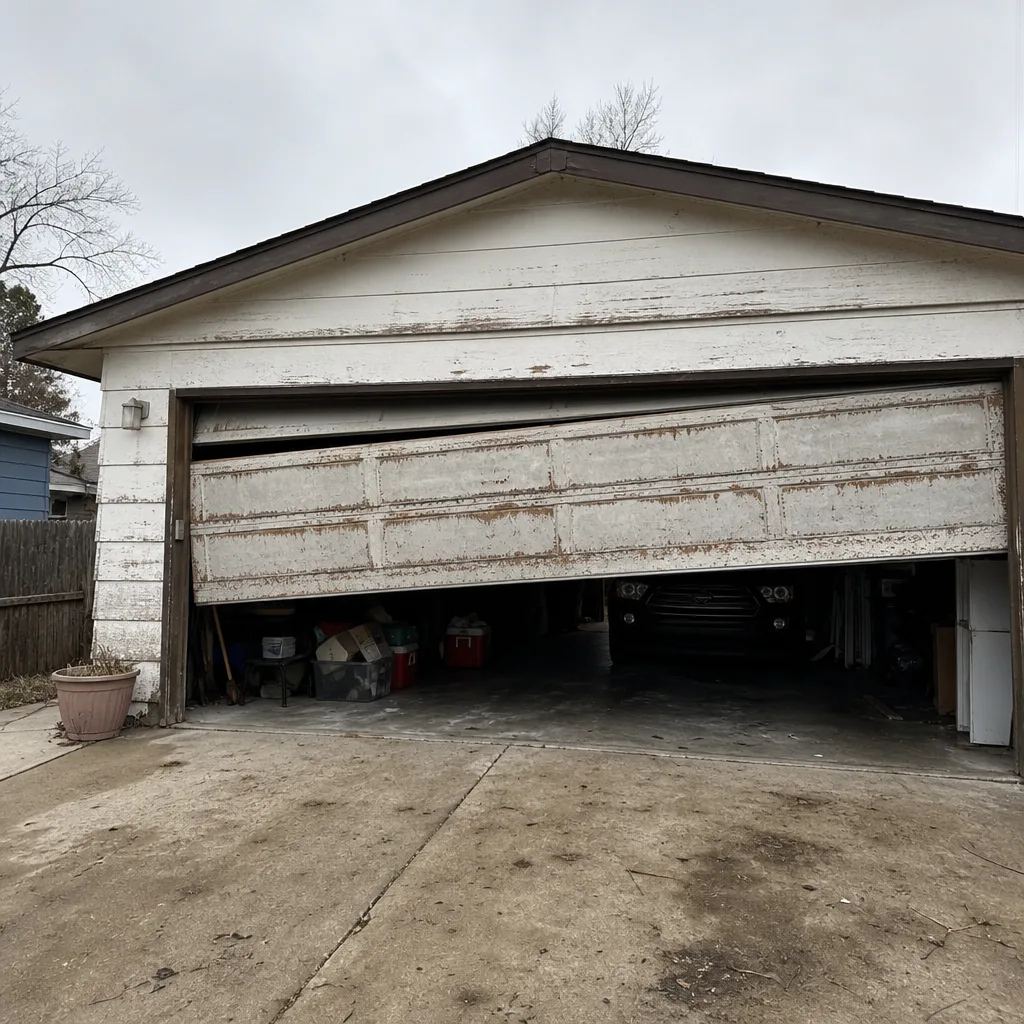 Before
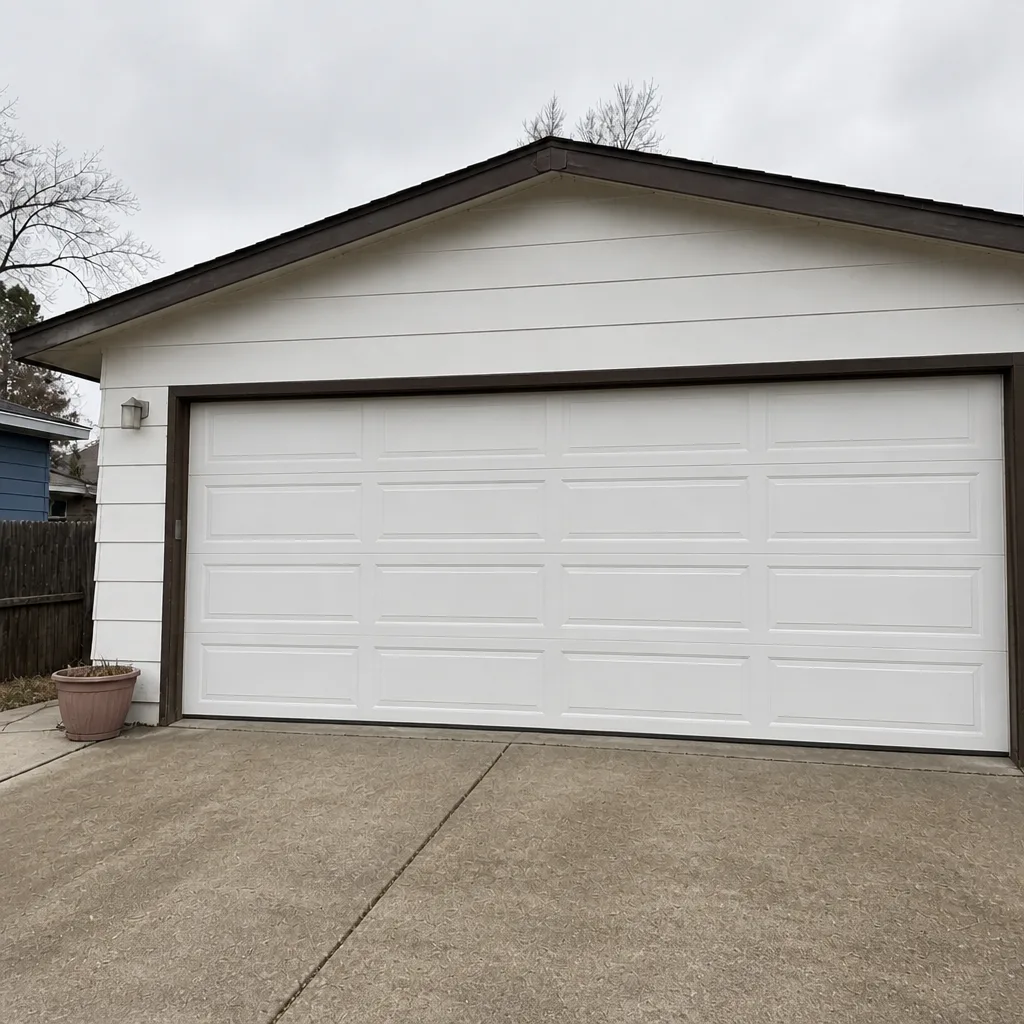 After
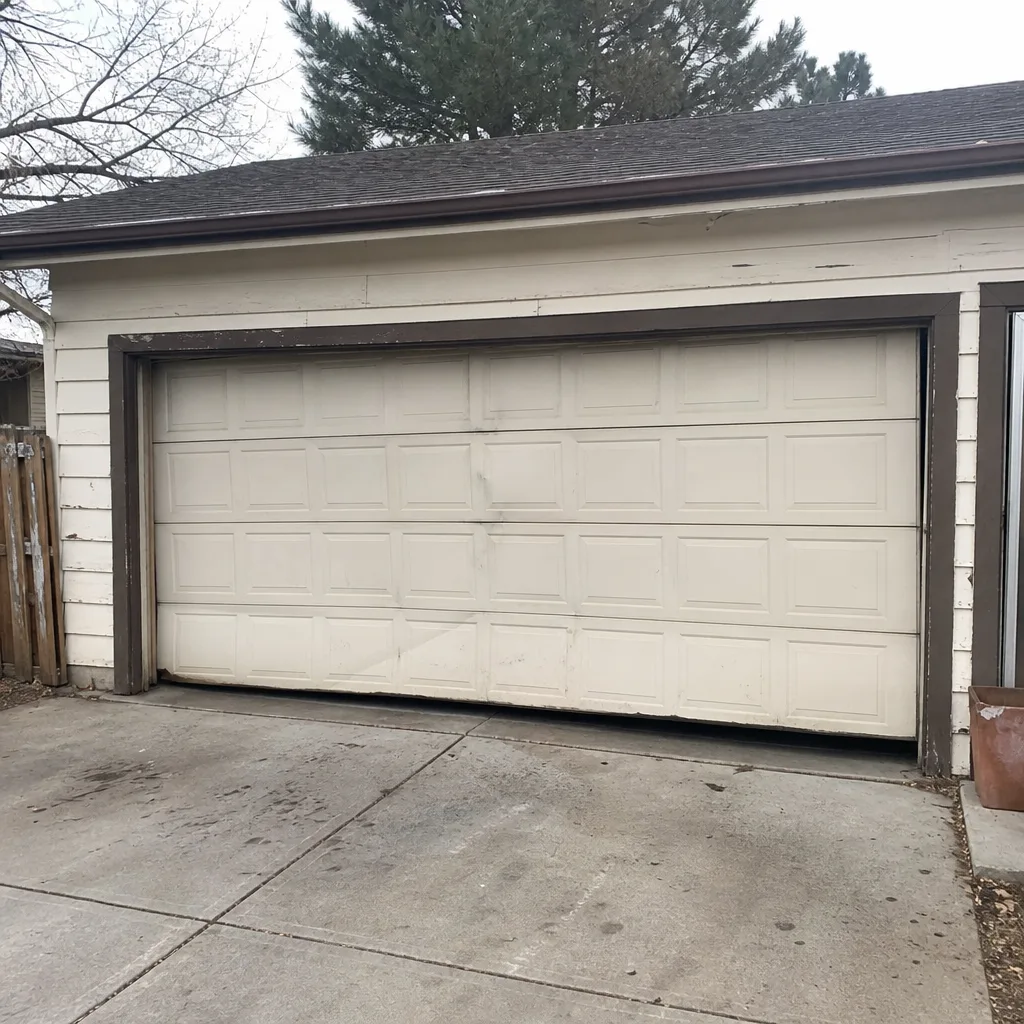 Before
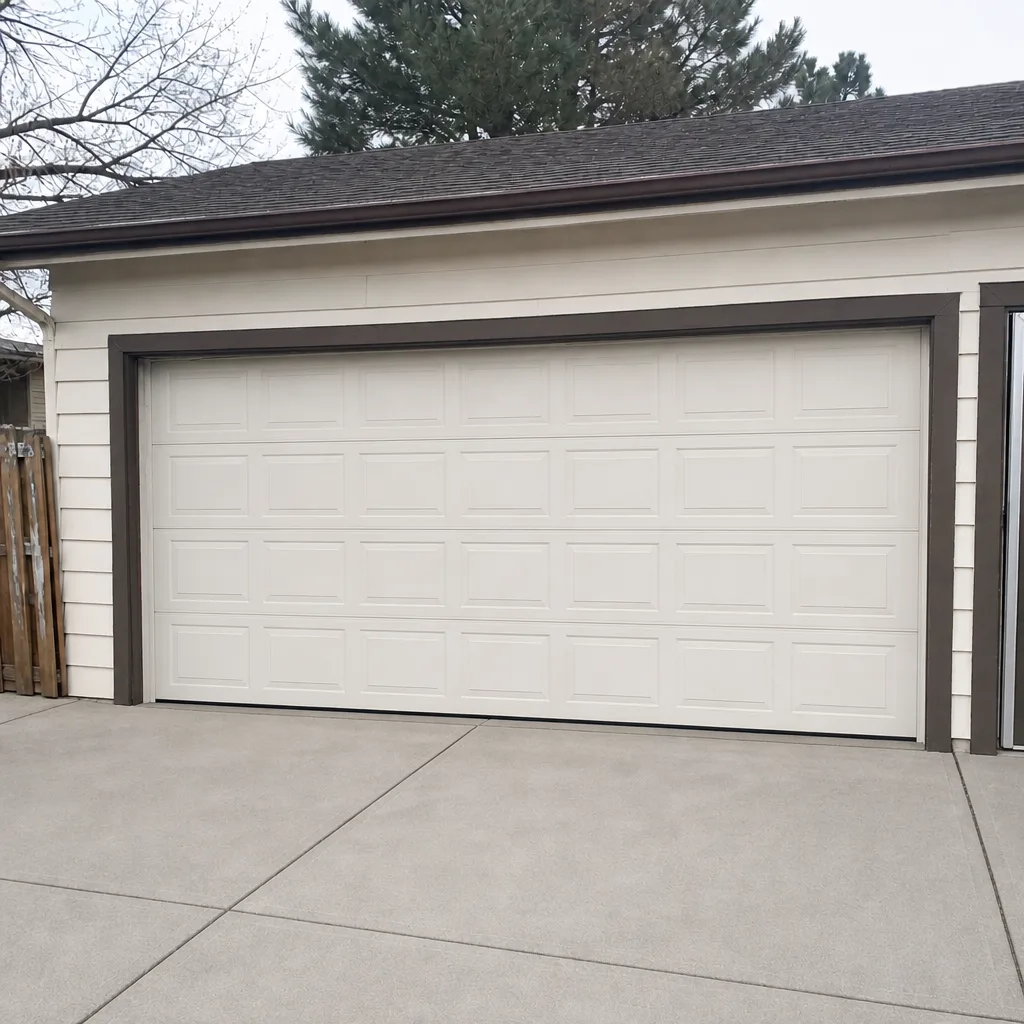 After
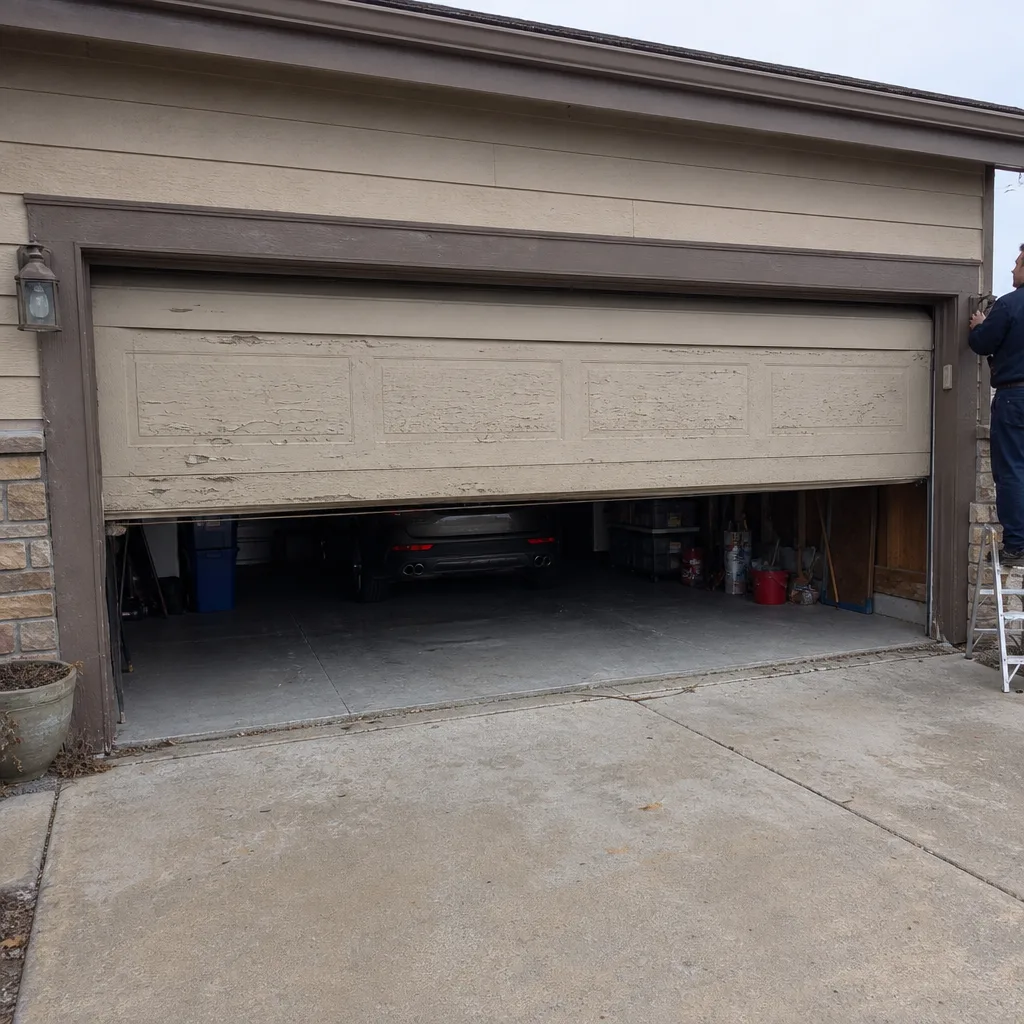 Before
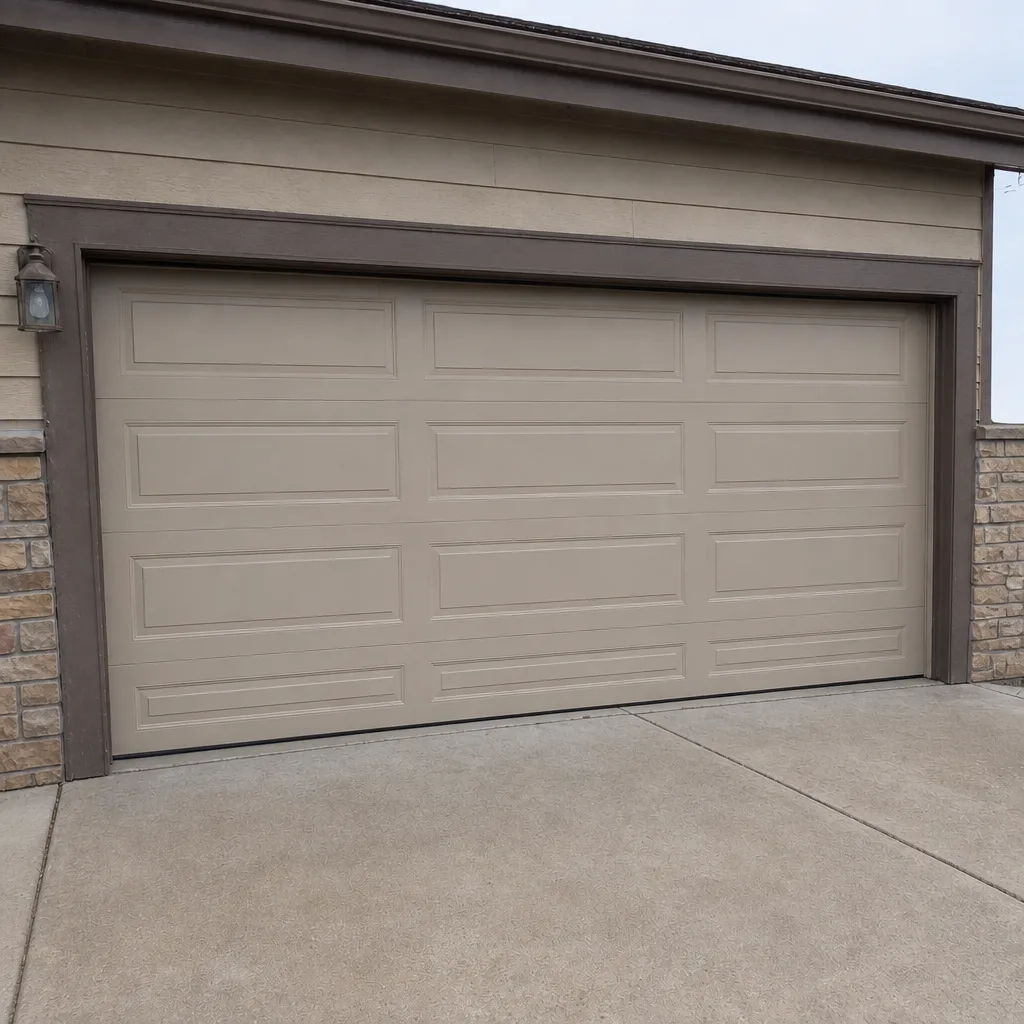 After
When to Call a Professional
Call a technician when any of the following are true: a spring has broken or looks visibly separated; a cable has come off its drum or hangs slack; the door has bent panels, drooping corners, or is off its tracks; you’ve heard a loud bang from the garage; the door reverses unpredictably; the opener grinds, hums, or trips its thermal cutoff repeatedly; the door won’t lock and the house needs to be secured; or you can’t safely get the door into a closed or secured position on your own. Spring, cable, and track work is where a trained professional matters most – those are the parts that hurt people. Broomfield Garage Door Repair Pros offers free estimates in Broomfield – call (833) 625-1667. Emergency service is a genuine offering for us, whether the failure happens at night, early morning, or on a Sunday before an early departure. Repairs are quoted and agreed with you before any work starts, so you’ll know the price before we begin. You can start at our Broomfield Garage Door Repair Pros home page to see the full range of what we handle.
Frequently Asked Questions
Pull the manual release cord hanging from the opener’s trolley to disconnect the opener, then lift the door by hand from the bottom center. Only do this if the springs are intact and the door feels balanced; if it slams down or won’t stay up, don’t keep lifting and call (833) 625-1667. If you have a lock cylinder, you may need the key to release the carriage first.
Yes – emergency garage door service is a named offering, and we work hard to get to genuine emergencies the same day, including at night and early mornings when the door has failed and the house isn’t secure. When you call (833) 625-1667, give us the door’s position, the brands, and what you heard so we can bring the right parts on the first trip. A dispatcher will give you a realistic ETA based on what’s happening.
No. The price is quoted and agreed with you before any work starts. We don’t give a phone figure and then change it on site. If the diagnosis reveals something the phone call missed, the technician will explain the options and get your approval on a revised written quote before touching anything. Spring replacement on a matched pair is quoted as a pair, not a single spring.
The most common cold-weather causes are a bottom seal frozen to the slab, ice bridged in the tracks, an opener that’s hit its thermal cutoff after fighting a bind, or a spring that was on its last legs and snapped in the cold. Check the seal and the tracks first, reset the opener by unplugging it for a few minutes, and if it still won’t run, don’t force it – call for service.
No. A door with a broken spring is no longer counterbalanced, which means its full weight – often well over a hundred pounds on a double-car door – is on whoever lifts it. The springs and cables themselves are under high tension and can release suddenly. Keep everyone clear, leave the door where it is, and call (833) 625-1667 to schedule spring repair.
Our technicians work on LiftMaster, Chamberlain, Genie, Clopay, Amarr, Wayne Dalton, Craftsman, and Raynor systems – most of what’s already installed in Broomfield garages. That includes both the mechanical side (springs, cables, panels, tracks) and the electronic side (openers, remotes, sensors, safety reverse). Because we work across brands, we can give you a straight answer on repair versus replacement without steering you toward a particular manufacturer.
The Bottom Line
A garage door emergency in Broomfield is mostly a 30-minute problem, and what you do in those 30 minutes decides whether it ends with a repair or a bigger bill. Know where your release cord hangs. Learn your opener and door brands. Keep a small prep kit on the shelf. When something fails, get the door to a fully closed or secured position, never force a spring or a frozen door, and call with the specific details the dispatcher needs. For any garage door repair in Broomfield that’s beyond a cord pull or a scrape of ice, call (833) 625-1667 – the estimate is free, the emergency service is real, and the price is agreed before any work starts.
Written by the team at Broomfield Garage Door Repair Pros.