Last updated November 22, 2026
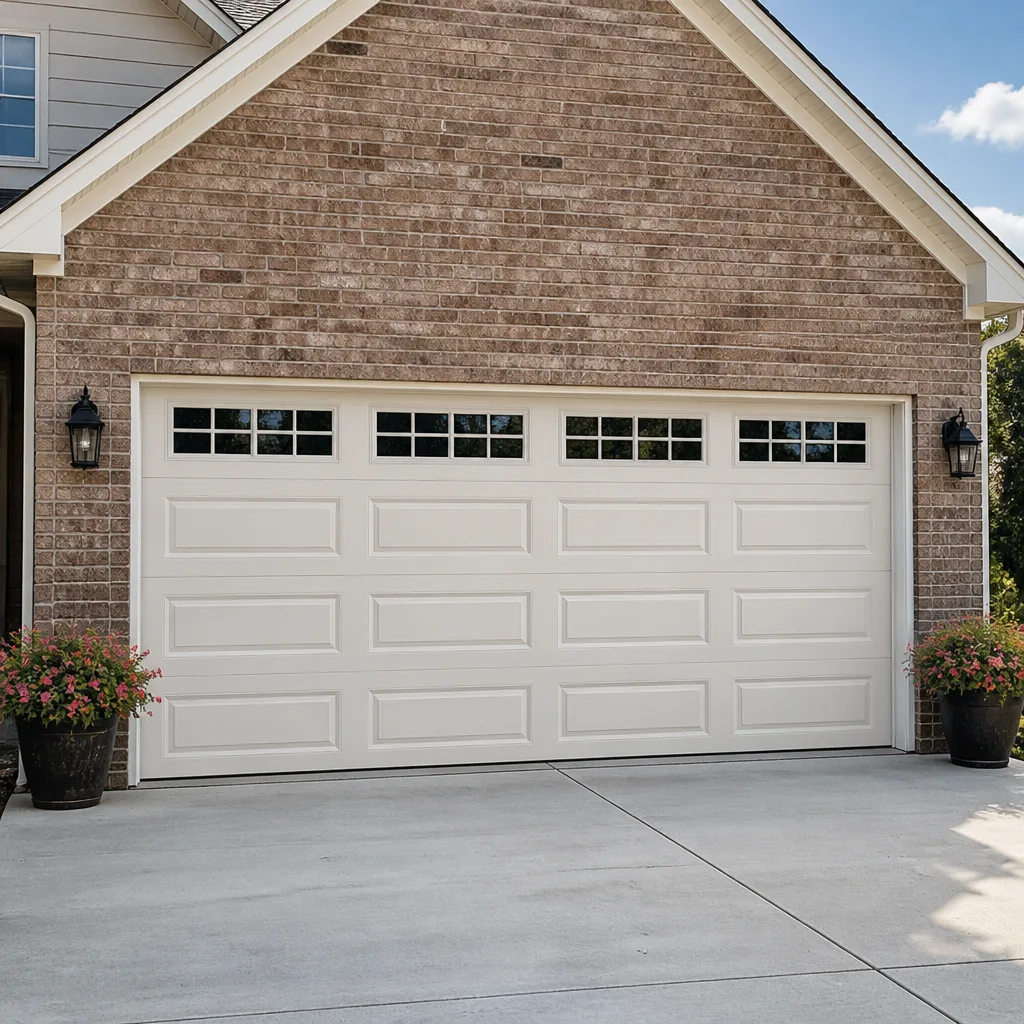 Raised-panel steel
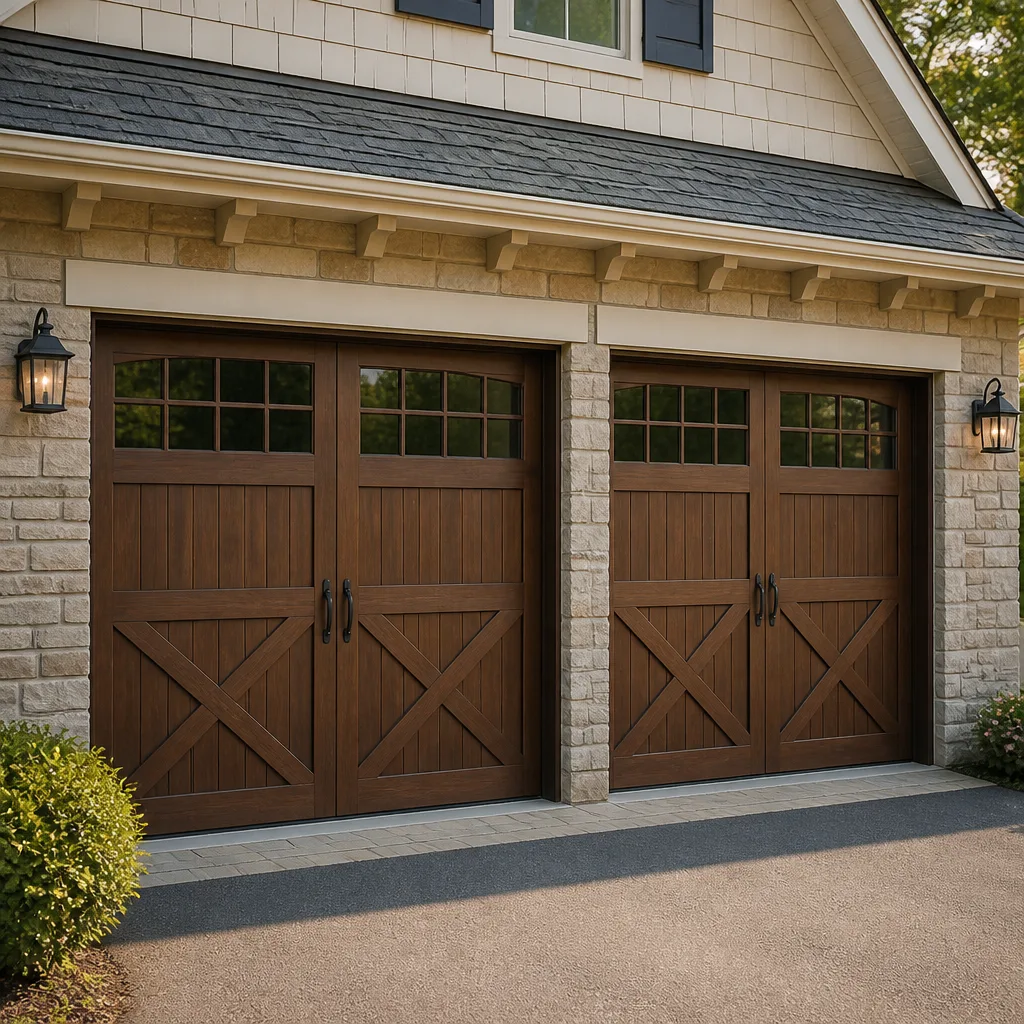 Carriage house
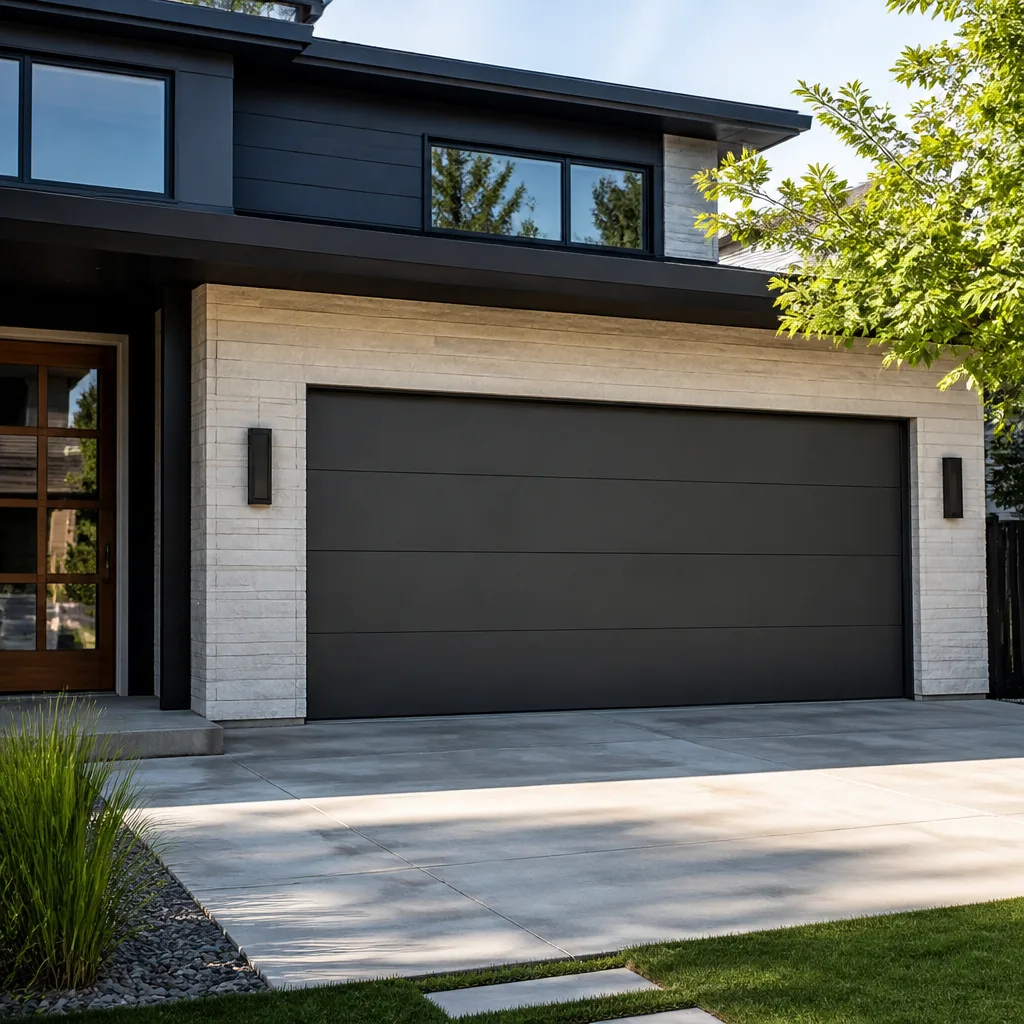 Modern flush
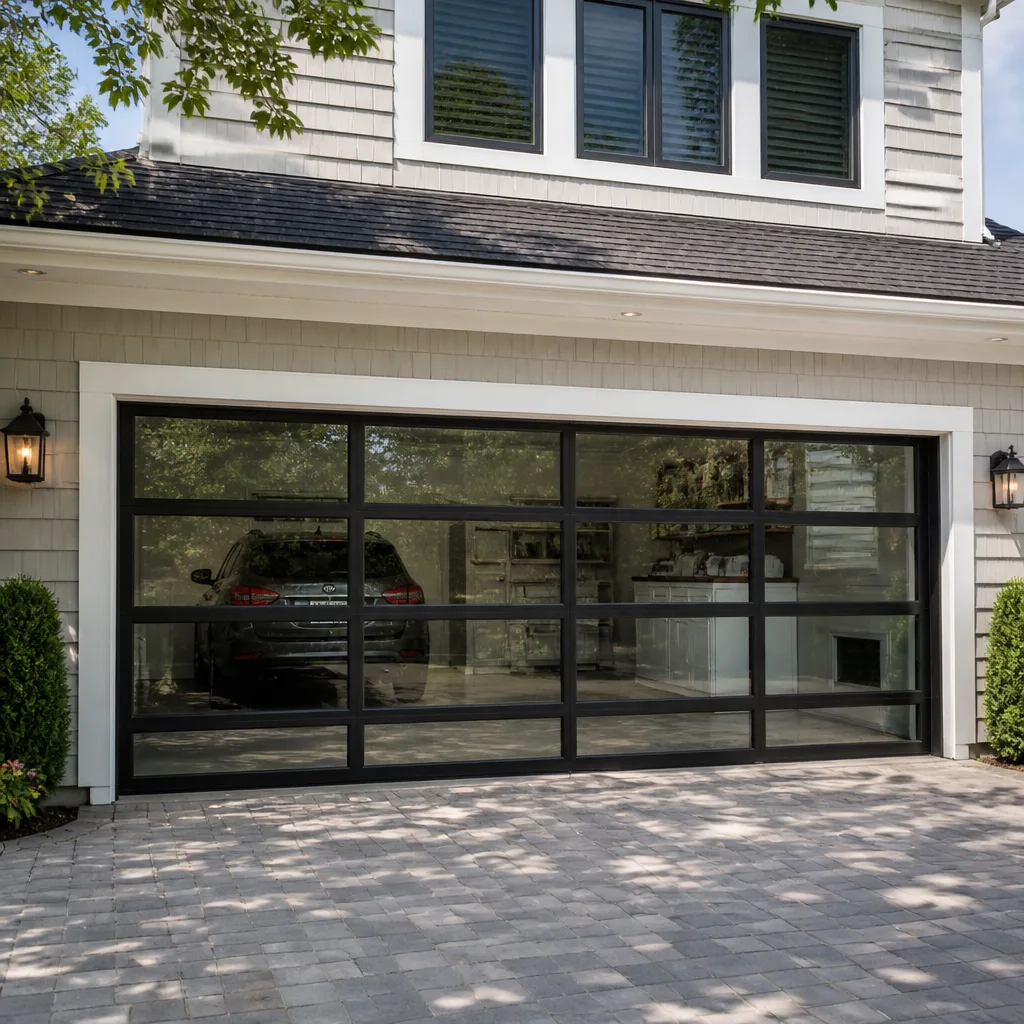 Full-view glass
 LiftMaster openers
 Chamberlain openers
Full 25-point door and opener safety check with every visit - springs, cables, rollers, tracks, and your LiftMaster or Chamberlain opener included
You get a price before we start. It does not change when the pro arrives.
Get your free estimateSeasonal Garage Door Care for Broomfield: Year-Round Homeowner’s Guide
Most homeowners assume garage door springs snap in spring. In Broomfield, the risk actually climbs in late October and November, when daily temperature swings of around 40°F work on springs that summer heat already stretched and stressed. That shift matters because each season here loads a different part of your door: frost heaves the slab in spring, UV hammers the seals in summer, and hard freezes test the opener in winter. This guide walks through all four seasons and gives you one task per month, in the order the weather actually demands it. By the end you’ll know exactly what to check, when to check it, and when a Broomfield door is better left to a technician.
Quick Answer
Seasonal garage door care in Broomfield means matching maintenance to what the local climate is doing to your door: inspect springs and hardware in fall before freeze cycles begin, seal the threshold and prep the opener for cold in winter, realign tracks after frost heave in spring, and protect rubber seals from Colorado’s intense sun in summer. A monthly check of one or two components is enough to catch most problems before they turn into a snapped spring or a door that won’t close. When something does fail, a trained technician should handle springs, cables, and opener electronics rather than a homeowner.
Styles & brands we work with
- Raised-panel steel
- Carriage house
- Modern flush
- Full-view glass
- LiftMaster openers
- Chamberlain openers
Table of Contents
- Fall in Broomfield: October Is the Highest-Risk Month for Springs
- Winter Prep for Broomfield’s Freeze Cycles
- Spring After Freeze-Thaw: Checking Tracks and Alignment
- Summer in Broomfield: UV and Rubber Seal Degradation
- Your One-Task-Per-Month Garage Calendar
- How to Inspect Your Door Safely: What to Look For
- Brand Matters: What We Work On
Fall in Broomfield: October Is the Highest-Risk Month for Springs
Fall is when torsion and extension springs are most likely to fail in Broomfield, and it isn’t because of the cold itself. It’s the swing. Summer heat expands the metal, then October’s wide day-to-night temperature swings, often around 40°F from afternoon to early morning, cycle the steel between expansion and contraction again and again. Springs that were already carrying stress from a hot summer reach their fatigue limit right around the time the first hard fronts move through. A spring that survived July is not automatically safe in November.
That’s why early fall inspection matters more than any other season. You want to catch coil fatigue before a spring lets go. Here’s what to look for, without touching the spring itself:
- Visible gaps in the coil: a torsion spring with a clear gap between coils has lost tension and is closer to failing. Look from the side, with the door closed and the door left alone.
- Sagging or stretched extension springs: extension springs above the track that look longer than their neighbor are suspect.
- Uneven door travel: if one side rises faster than the other, a spring may be weakening.
- Loud bang or sudden drop: if a spring has already broken, stop operating the door and call a professional.
We say this plainly because spring work is the most safety-critical job on any garage door. Torsion springs and the cables under them store enormous energy, and a homeowner adjusting or replacing one is one slip away from a serious injury. Inspect visually. Don’t disassemble. If anything looks wrong, that’s the moment for garage door spring repair from someone trained for it.
Winter Prep for Broomfield’s Freeze Cycles
Winter in Broomfield doesn’t just get cold, it freezes and thaws repeatedly, and that cycle works on two parts of your system: the threshold seal at the bottom of the door and the opener’s ability to move a stiff door on a below-zero morning. Getting ahead of both in November saves you a January call.
Threshold seal replacement
Ground frost heave pushes up on the concrete slab and the threshold under the door. If the bottom seal is worn, cracked, or flattened, the door won’t sit flush, and you’ll get drafts, snow melt, and small pests working under it. A fresh bottom seal that contacts the floor evenly handles that upward push better than a stiff, aged one. Check the seal for cracks and for daylight under the closed door, and replace it before the first deep freeze locks things down.
Opener cold-morning readiness
Openers are rated to a certain cold threshold, and on the coldest mornings a marginal unit can stall or reverse. Before winter:
- Test the door’s balance by disconnecting the opener and lifting the door halfway by hand. It should hold. A door that drops means the springs are out of balance, not the opener.
- Lubricate hinges, rollers, and the opener’s rail with a garage-door-rated lubricant. Cold stiffens grease that’s too heavy.
- Test the safety reverse: place a block of wood under the door and confirm it reverses on contact.
- Check that the wall-mounted control and any remote work reliably at low temperatures.
If your opener is a LiftMaster, Chamberlain, or Genie unit and it’s struggling in the cold, the unit itself may be reaching the end of its range rather than just needing adjustment. Garage door opener repair can tell you whether it’s a sensor, a logic board, or a motor that’s tired.
Spring After Freeze-Thaw: Checking Tracks and Alignment
Spring in Broomfield is freeze-thaw season, and the same ground movement that heaves the driveway also shifts the concrete under your garage. When the slab moves, the vertical tracks bolted to the wall can twist slightly out of vertical. A door that ran fine all winter starts binding, scraping, or riding unevenly. This is track alignment, and it’s the most common spring problem we see in Broomfield homes.
Here’s how to check alignment without forcing anything:
- Look for gaps between the roller and track: with the door closed, the rollers should sit in the track without daylight on one side.
- Watch the door travel: open and close it slowly and watch whether one side lags. Uneven travel often means a track has leaned.
- Listen for scraping: metal-on-metal contact means a roller or the track edge is out of line.
- Check the floor gap: if the door no longer meets the floor evenly, the threshold or the track height has shifted.
Do not try to bend a track back into place by hand or with a pry bar. Tracks are thin steel under load, and an over-correction makes the door bind worse or jump the track entirely. This is a job for a technician with the right tools. A short spring tune-up catches track drift, loose bolts, and rollers before they wear out the door’s panels.
Summer in Broomfield: UV and Rubber Seal Degradation
Colorado’s high-altitude sun is hard on rubber, and your garage door has rubber on two edges: the weatherstripping around the frame and the bottom seal at the floor. Humid climates keep rubber supple; dry, bright summers bake it. UV exposure causes seals to dry, crack, and shrink, and once they shrink they no longer seal. That lets in heat, dust, and insects, and it also lets your conditioned air escape into a hot garage.
Summer is the season to check and replace seals. What to look for:
- Frame weatherstripping: cracked, brittle, or pulled away from the jamb means it’s time to replace it. Look especially along the top and the sunny side.
- Bottom seal: flattened, torn, or hardened rubber won’t meet the floor. If you can see daylight under the closed door, the seal is done.
- Panel fading: Colorado sun fades paint and can dull a steel door’s finish, especially on Clopay and Amarr doors with painted finishes. A wash and a coat of wax or paint helps, but check whether the door’s finish is still intact first.
Seals are inexpensive and easy to replace on most doors, and doing it in summer means the door is sealed before the cold returns. It’s also a good time to check that your door’s safety sensors are clean and aligned, since summer dust and pollen can fog the lenses.
Your One-Task-Per-Month Garage Calendar
The easiest way to keep up with seasonal care is one task a month, pinned in the garage where you’ll see it. Here’s the schedule we recommend for Broomfield doors, ordered by when each part is under the most stress:
- January: Test the safety reverse and listen for unusual opener noise in the cold.
- February: Check the bottom seal for drafts and snow melt getting under the door.
- March: Watch for track drift after the first big thaw. Look for scraping or uneven travel.
- April: Tighten visible bolts and lubricate hinges, rollers, and springs (from a safe distance, without adjusting them).
- May: Clean and check the safety sensors and the wall control.
- June: Inspect frame weatherstripping for cracks and sun damage.
- July: Check the bottom seal for hardening; replace if it’s no longer meeting the floor.
- August: Wash the door panels and check for fading or finish damage.
- September: Full visual spring inspection, looking for coil gaps or sagging extension springs.
- October: The month to watch. If the door feels heavier or travels unevenly, schedule a spring check now.
- November: Replace the threshold seal and prep the opener for freeze cycles.
- December: Do a final balance test and clear snow and ice from the door’s path.
You can shift these by a couple of weeks to fit your schedule, but keep October’s spring inspection and November’s seal work where they are. Those two are the ones Broomfield weather is least forgiving about.
How to Inspect Your Door Safely: What to Look For
There’s a real difference between inspecting your door and servicing it. Inspection is looking, listening, and testing the controls; servicing springs or cables is not a homeowner job. Keep to the safe side of that line and you’ll catch most problems early without taking on risk.
Safe checks you can do yourself:
- Stand back and look at the springs and cables with the door closed. Note gaps, sagging, or frayed cable strands. Don’t touch.
- Open and close the door from the wall control and listen. Grinding, popping, or scraping are worth noting.
- Test the safety reverse with a block of wood. This checks the sensor and opener, not the springs.
- Look for daylight under the closed door and around the frame.
What not to do: never try to adjust, remove, or replace a torsion spring or cable, never wind a spring by hand, and never force a door that has stopped or come off its track. Those are the jobs where the stored energy in a garage door can hurt someone. When garage door repair is needed on springs, cables, or a door off its track, it’s a job for a trained technician. Our technicians have up to 14 years of experience and handle the mechanical side safely.
Brand Matters: What We Work On
Seasonal care looks different depending on what’s in your garage. A Chamberlain opener with a battery backup behaves differently in a cold snap than a Genie chain drive, and a heavy Clopay steel door puts more load on its springs than a lighter Amarr model. Knowing the brand helps a technician diagnose the right part the first time instead of guessing.
We work on eight of the most widely installed garage door brands in North America: LiftMaster, Chamberlain, Genie, Clopay, Amarr, Wayne Dalton, Craftsman, and Raynor. That means when you call about a door that’s binding in spring or an opener that won’t respond in winter, the technician already knows the system in front of them. Because we service competing brands, we can give you straight advice on whether a part needs repair or the whole system is better replaced, without steering you toward one manufacturer.
For a door that’s reached the end of its useful life, seasonal checks still matter, but so does the decision to replace. A full replacement is measured and scheduled rather than rushed, and it’s worth planning before a failure forces the issue. Starting from the Broomfield Garage Door Repair Pros home base, we cover repair, opener work, springs, and new installation in one place, so you’re not coordinating three contractors for one door.
Common Mistakes to Avoid
- Waiting until spring to check springs. By the time Broomfield’s freeze cycles arrive, a fatigued spring may already be one cold morning from failing. Check in fall, right after summer heat has done its damage.
- Ignoring track drift after the thaw. A track that leans a fraction of an inch after frost heave will wear your rollers and door panels. Catch it in March, not when the door jumps the track.
- Letting the bottom seal go through summer. Colorado sun hardens and shrinks seals fast. A seal that looks fine in June can be cracked by August and drafty by November.
- Lubricating with the wrong product. Heavy grease stiffens in cold and can gum up rollers. Use a garage-door-rated lubricant and never oil the tracks or the springs’ bearing surfaces liberally.
- Trying to fix a spring yourself. Torsion springs and cables store dangerous energy. A homeowner winding or adjusting one is risking serious injury. Leave it to a technician.
- Skipping the balance test before winter. A door that won’t hold halfway is out of balance and will strain the opener on every cold-morning cycle.
- Assuming a slow door is an opener problem. Often it’s the springs or a binding track. Diagnosing the wrong part wastes money and leaves the real issue in place.
See the difference
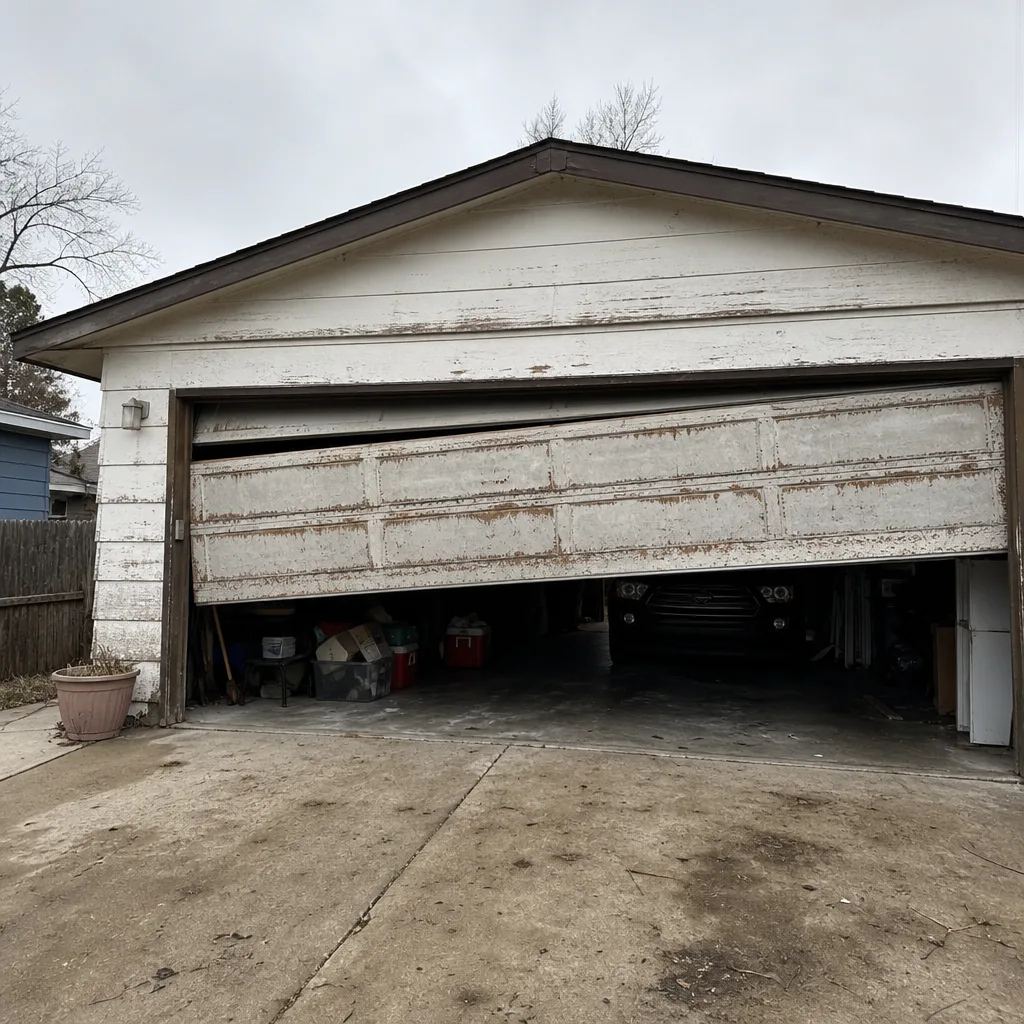 Before
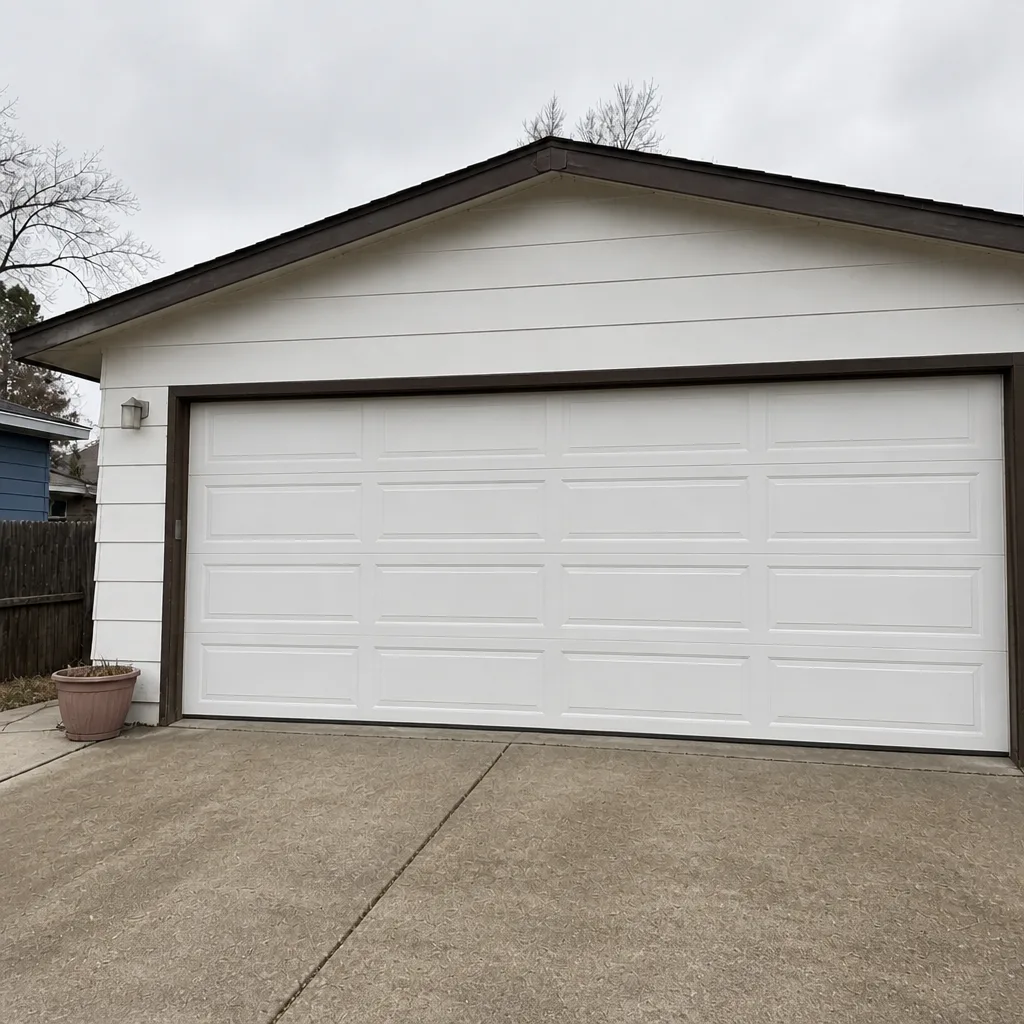 After
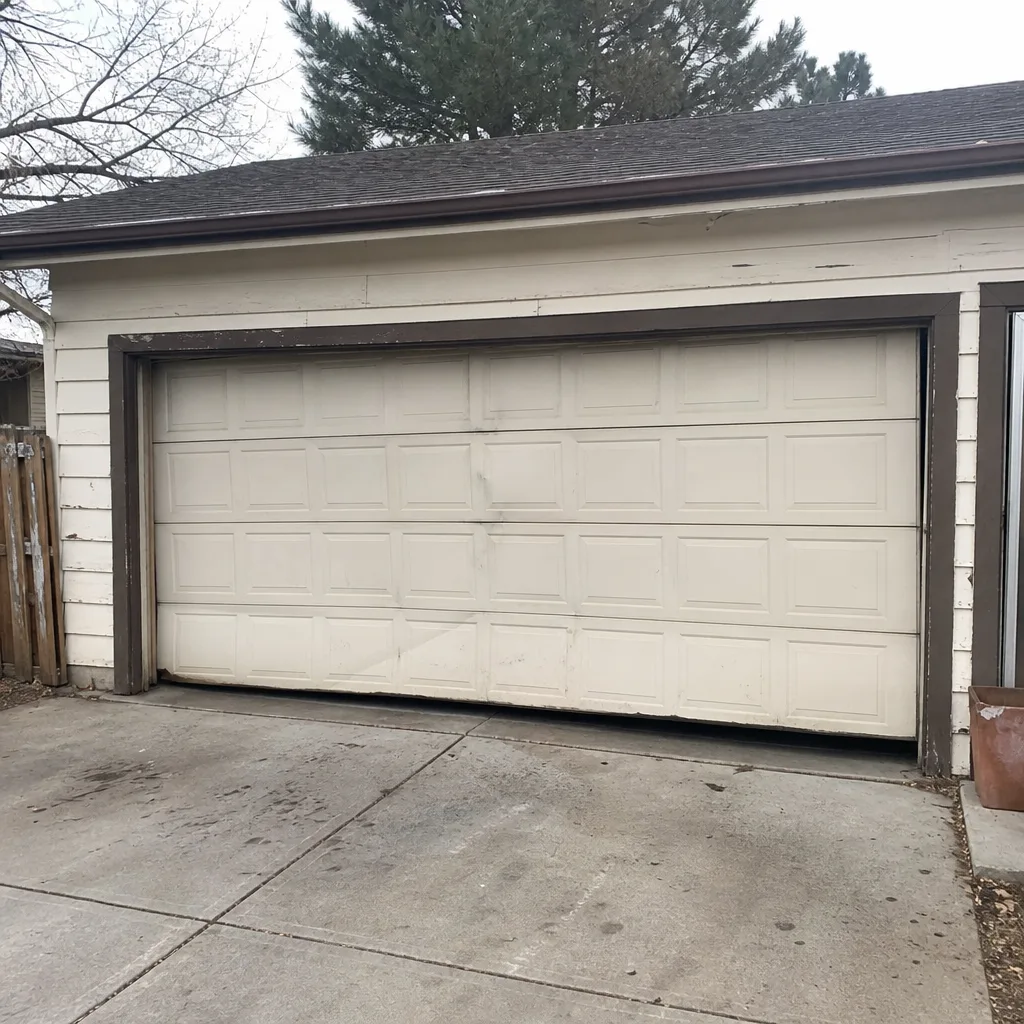 Before
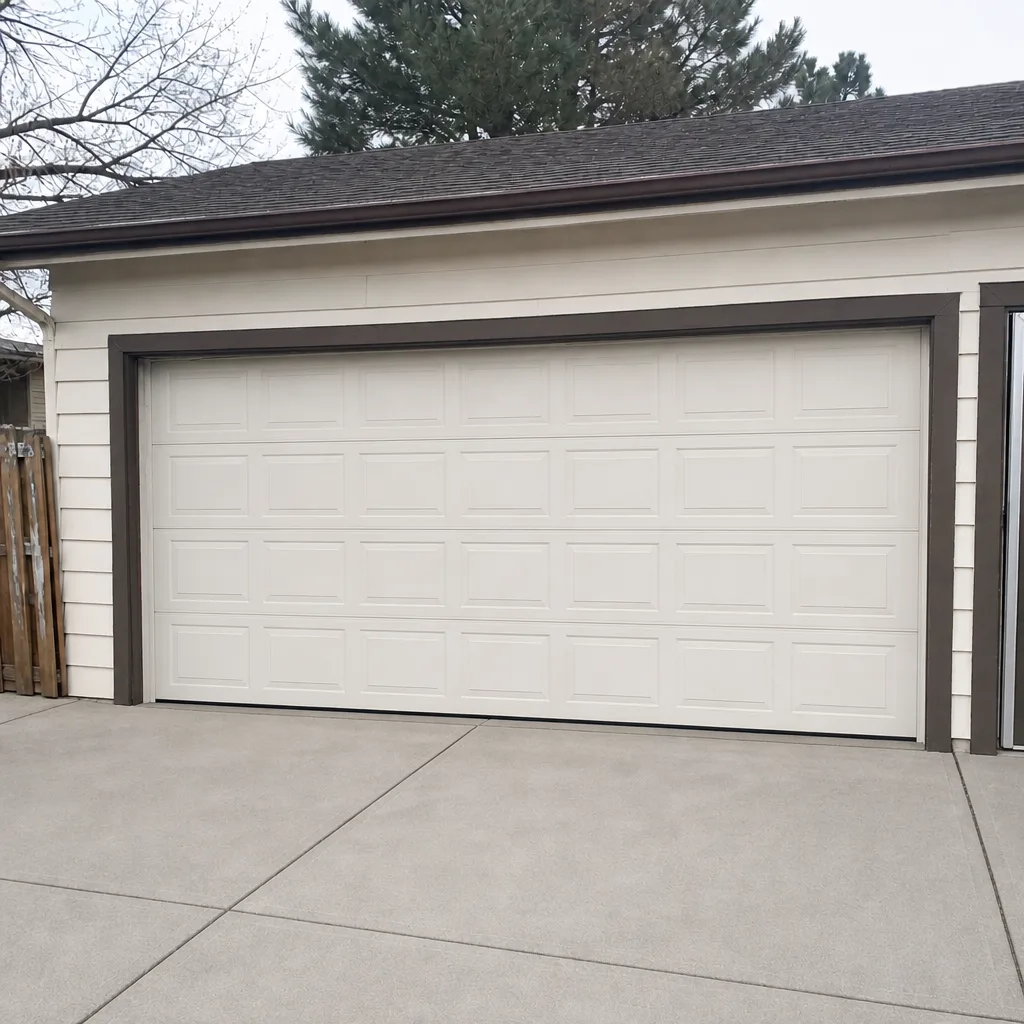 After
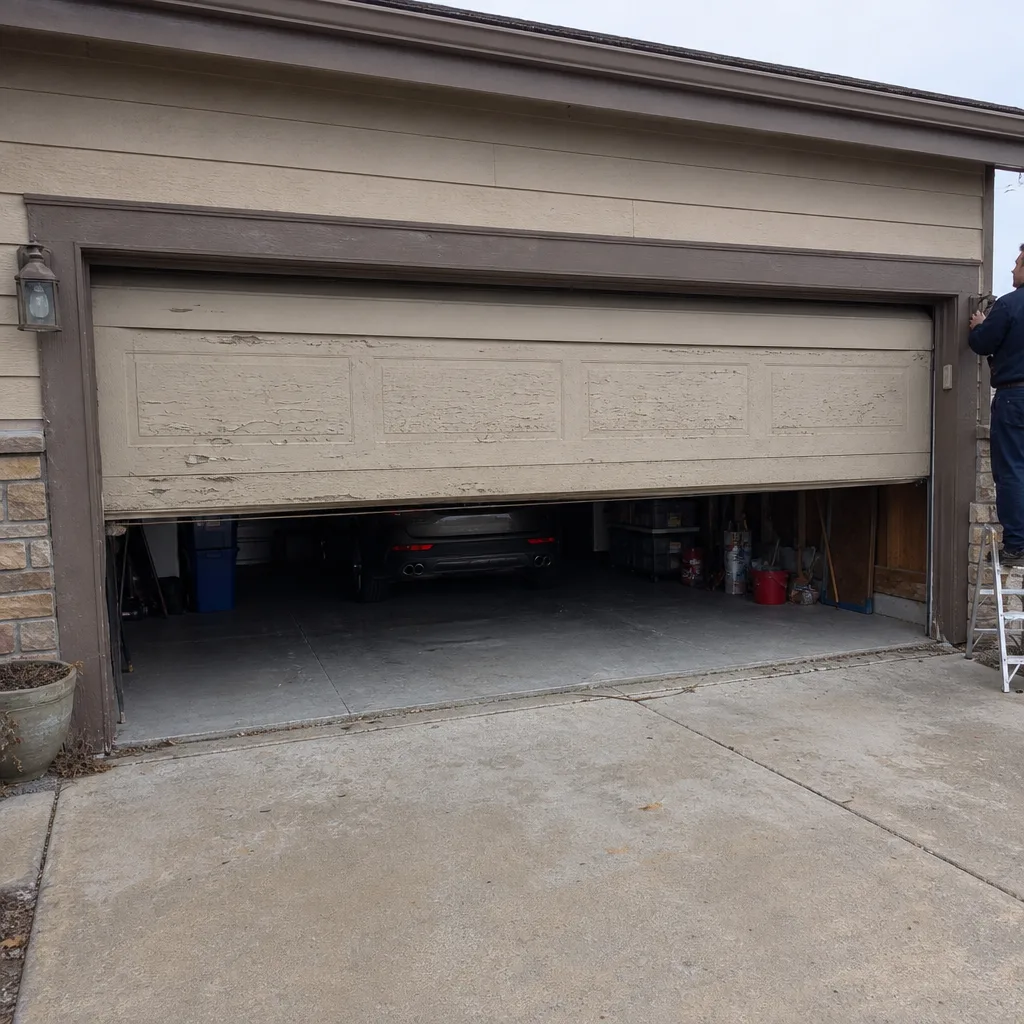 Before
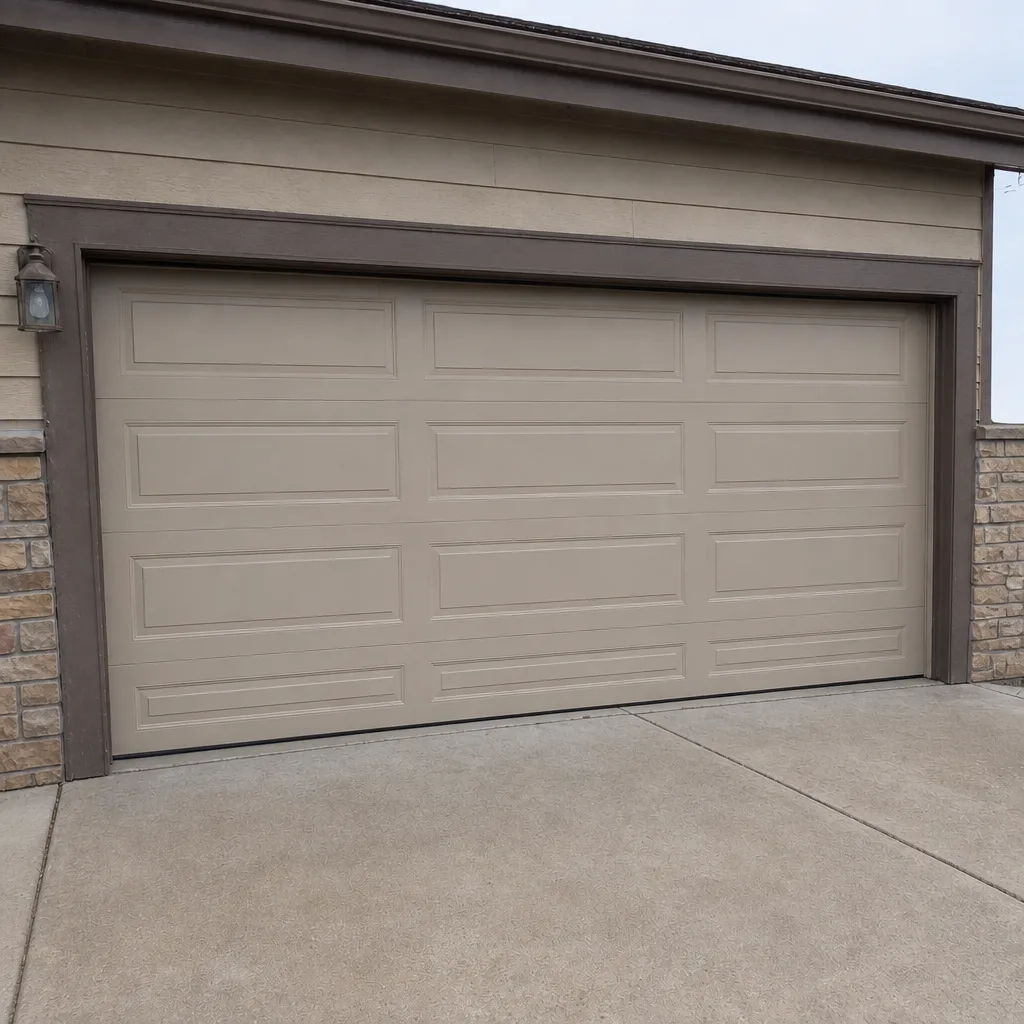 After
When to Call a Professional
Some seasonal tasks you can handle: swapping a worn bottom seal, cleaning sensors, lubricating rollers, and doing visual spring checks. But call a professional when a spring has broken, when the door drops or won’t hold halfway, when a track is bent or off-line, when the opener reverses on its own or stops responding, or when the door comes off its track. Those are the jobs where the stored energy in the door and the electrical work around the opener make DIY risky. If you’re not sure whether it’s a spring or an opener, we can look and tell you. Broomfield Garage Door Repair Pros offers free estimates in Broomfield. Call (833) 625-1667, and we’ll give you a written price before any work starts, so you know the number up front.
Frequently Asked Questions
Late October through November is the highest-risk window in Broomfield, because daily temperature swings of around 40°F cycle already-stressed springs between expansion and contraction until they fail. That’s why we recommend a visual spring inspection in September and a second look in October. If your door feels heavier or travels unevenly, call (833) 625-1667 for a spring check before the freeze sets in.
A quick visual check once a month is enough for most homes, with a focused spring inspection each fall and a seal and track check each spring. The one-task-per-month calendar above spreads the work out so no single month is overwhelming. If you’d rather have a professional go over the whole system, we offer free estimates.
Colorado’s high-altitude sun and dry air bake rubber seals faster than humid climates do, so weatherstripping and bottom seals dry, crack, and shrink within a few seasons. Checking them each summer and replacing worn seals in July keeps the door sealed before cold weather arrives. If a seal won’t stay put, a technician can check the door’s alignment too.
Spring repair is often possible the same day for a standard torsion or extension spring on a commonly serviced door, though the exact timing depends on the door and the part needed. Spring work is the most dangerous job on a garage door, so it’s always done by a trained technician. Call (833) 625-1667 for an exact quote, and we’ll confirm timing when we book the job.
The local professionals we connect you with are licensed and insured as their state requires. Our technicians have up to 14 years of experience and are trained across LiftMaster, Chamberlain, Genie, Clopay, Amarr, Wayne Dalton, Craftsman, and Raynor systems. We give you a written price before any work starts, so there are no surprises. Call (833) 625-1667 for a free estimate.
We’re open Sunday through Friday, 7am to 7pm, and closed Saturday. If a door fails on a Saturday, you can call and we’ll book you for Sunday; the same goes for early-morning departures during the week. For emergency situations that can’t wait for a scheduled appointment, call (833) 625-1667.
The Bottom Line
Broomfield’s four seasons each put a different part of your garage door under stress: fall tests the springs, winter works the seals and opener, spring shifts the tracks, and summer bakes the rubber. One task a month, matched to what the weather is doing, catches most failures before they happen. Keep your visual checks safe and leave the springs, cables, and opener electronics to a technician. If something’s already failing, or you’d rather have a pro look it over, call Broomfield Garage Door Repair Pros at (833) 625-1667 for a free estimate. We’ll give you a written price before any work begins.
Written by the team at Broomfield Garage Door Repair Pros.