Last updated November 22, 2026
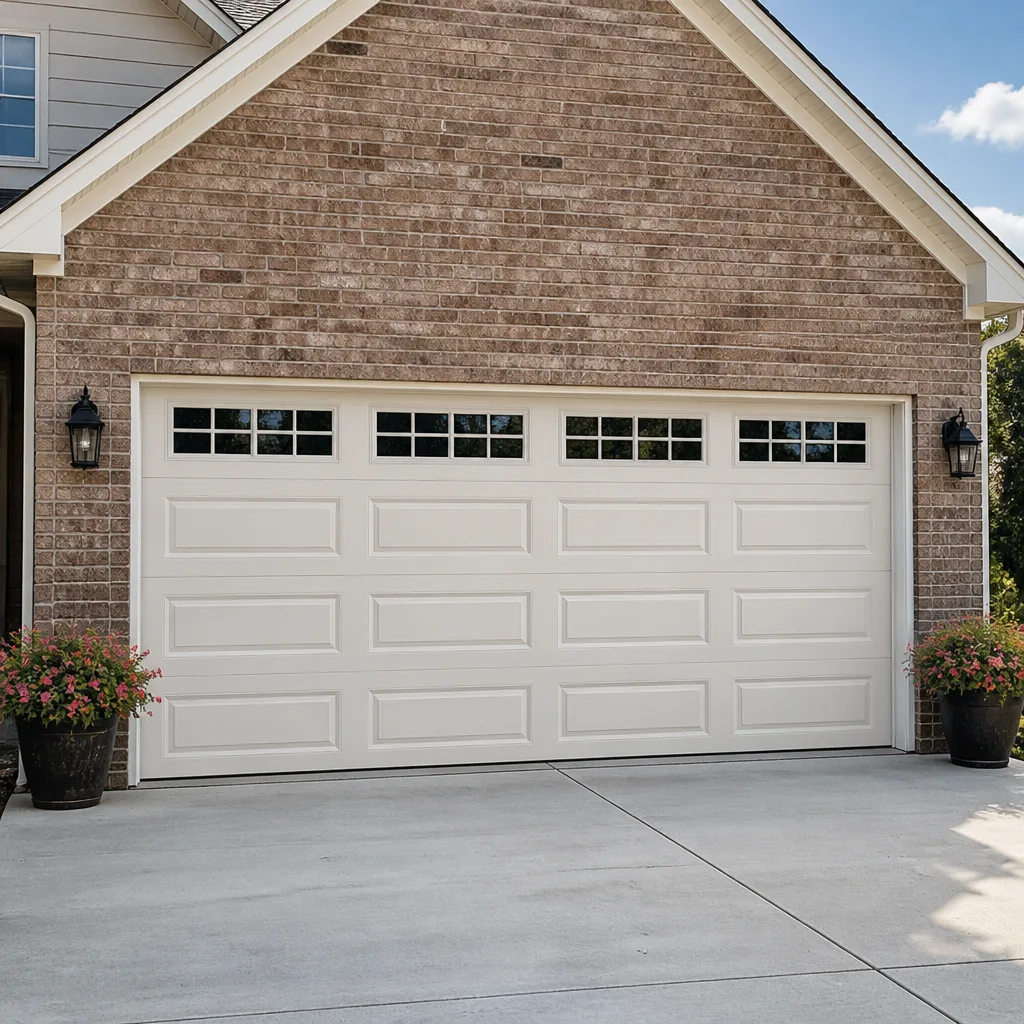 Raised-panel steel
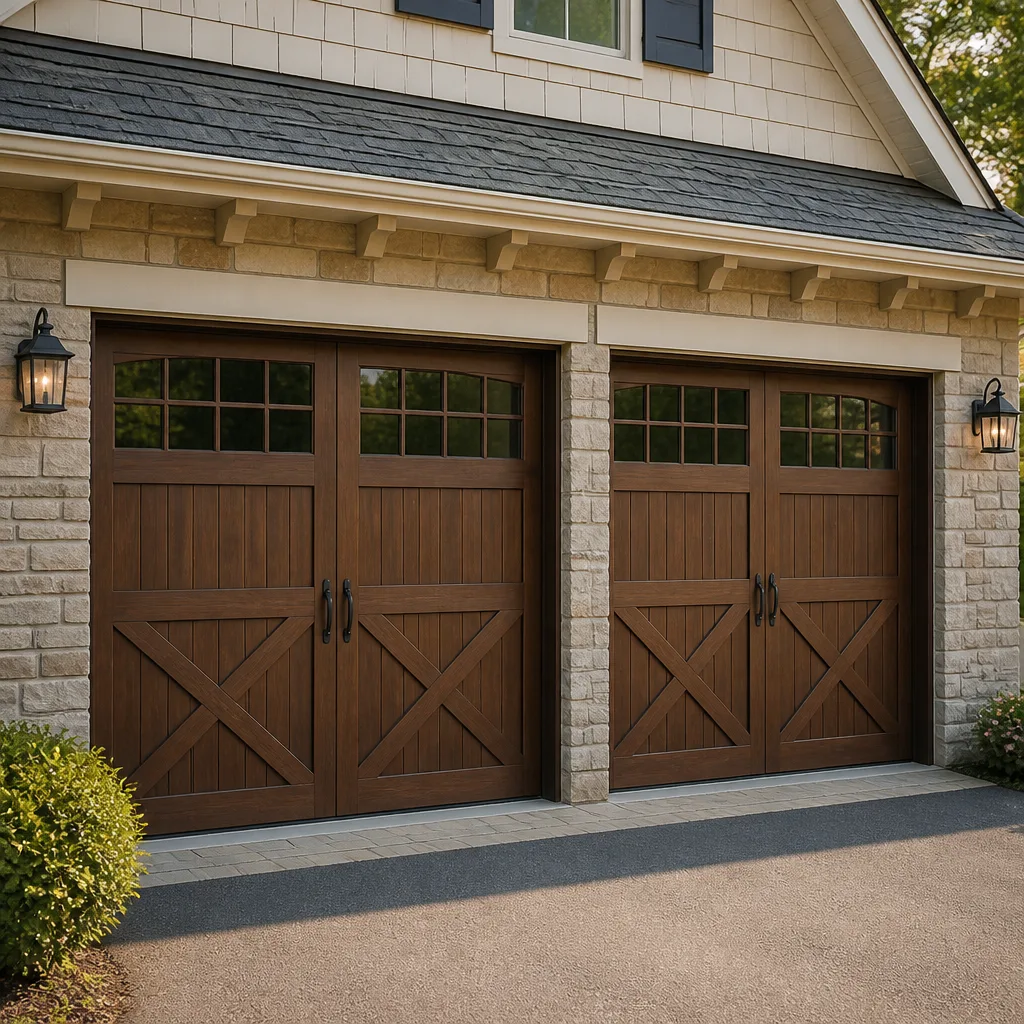 Carriage house
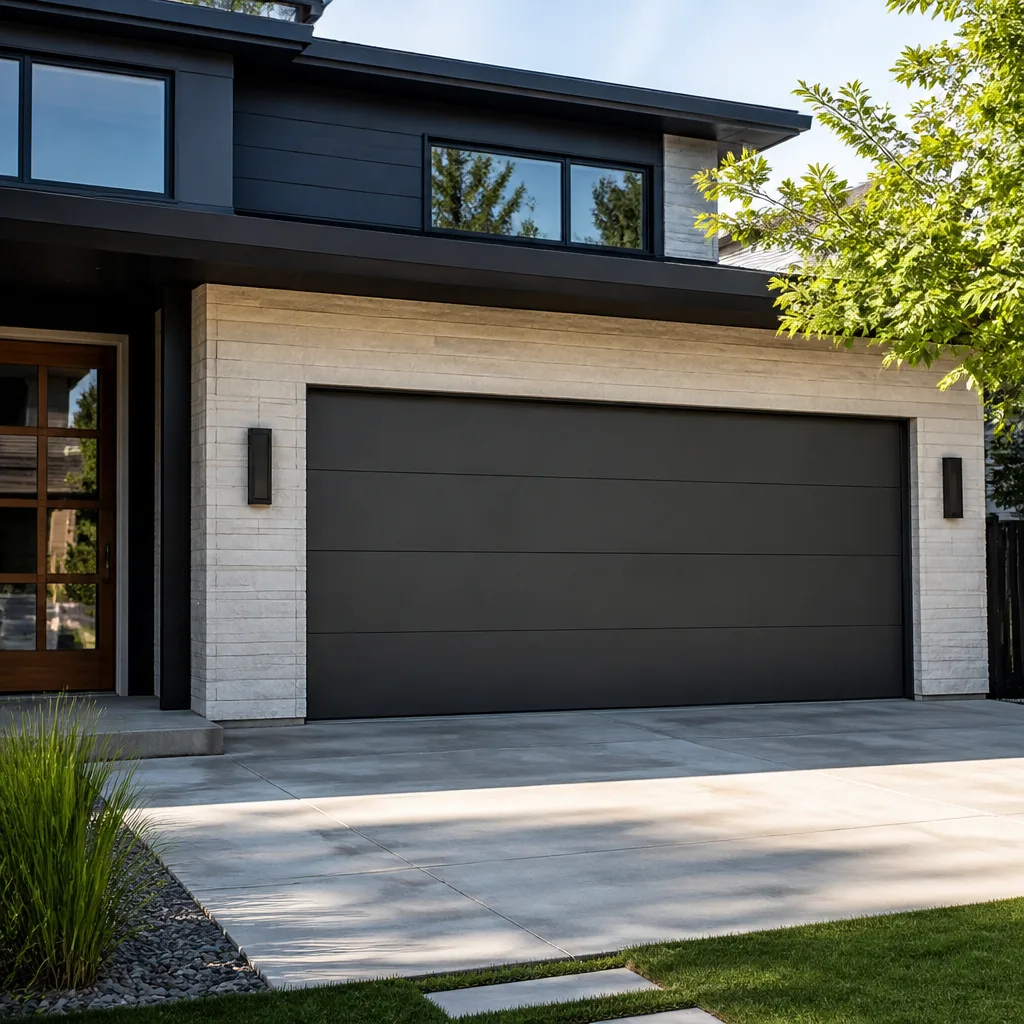 Modern flush
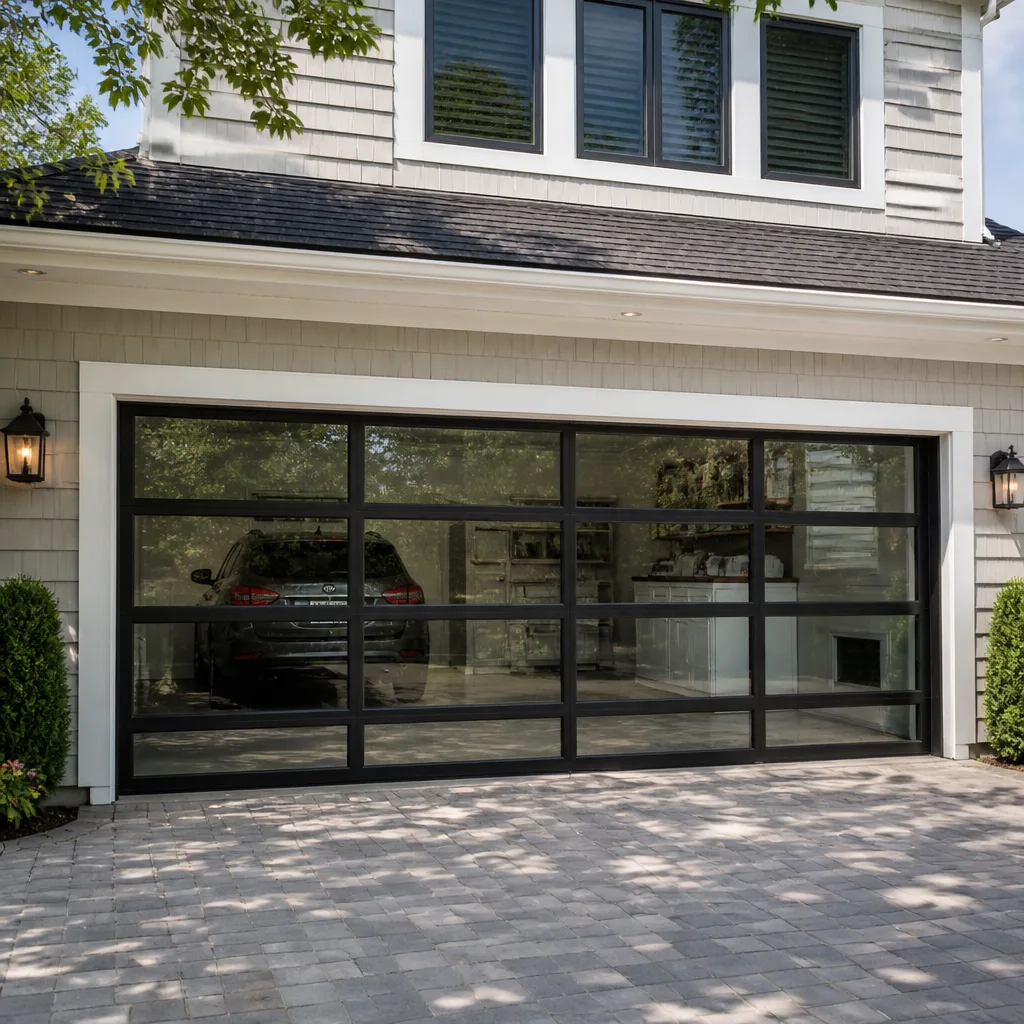 Full-view glass
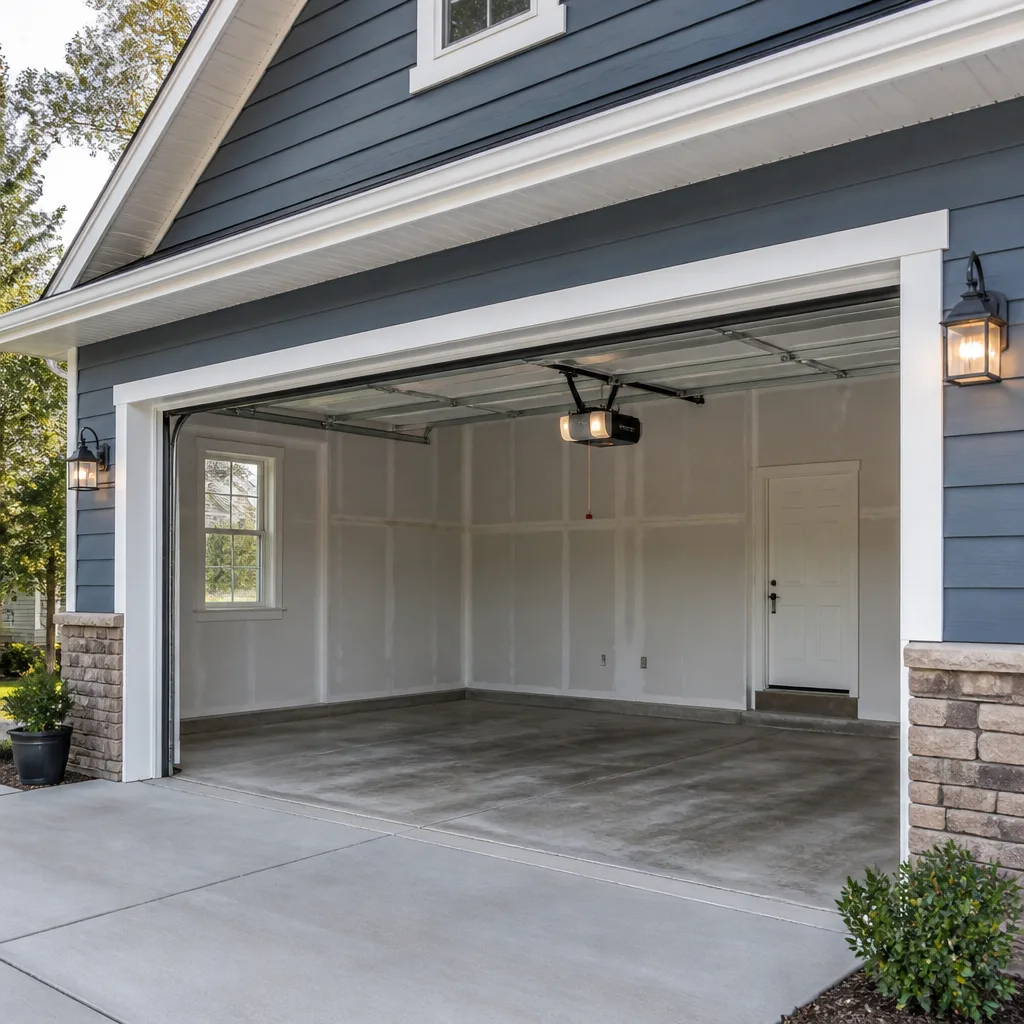 LiftMaster openers
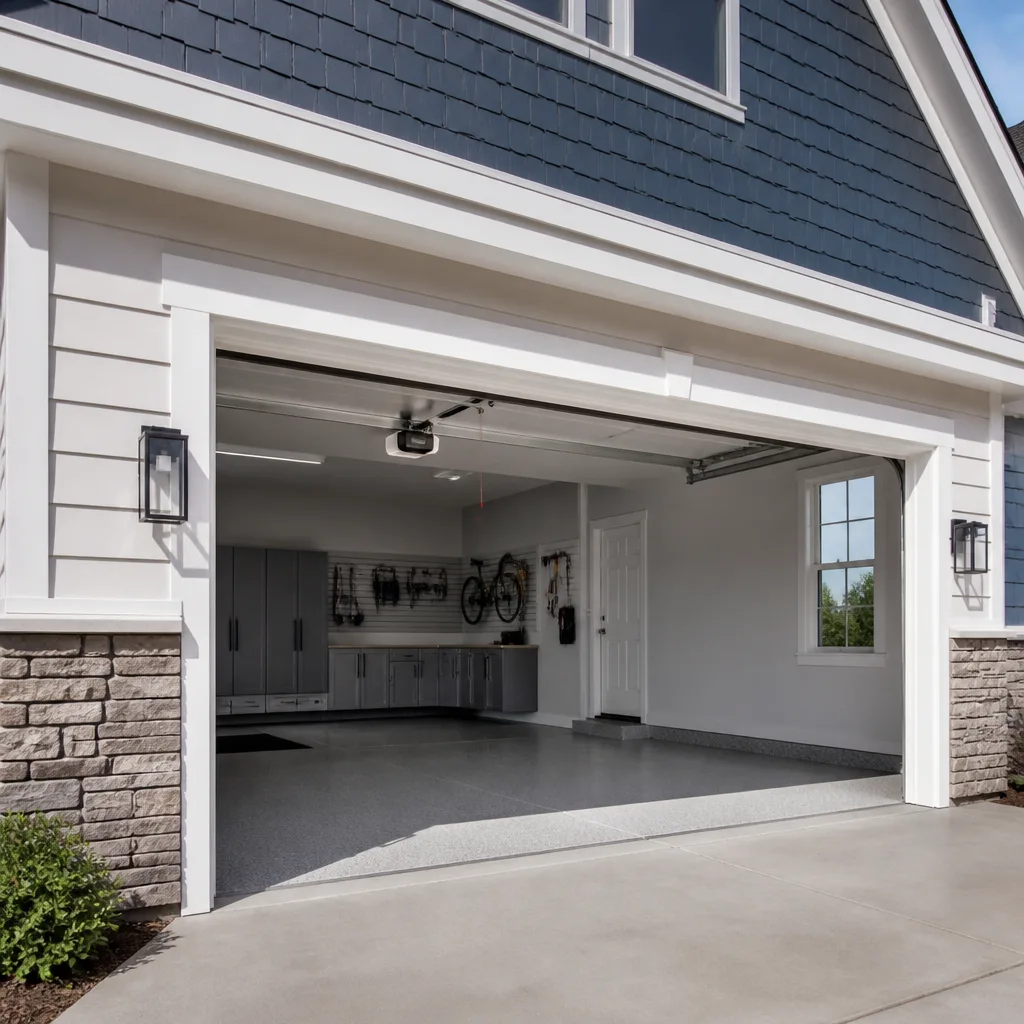 Chamberlain openers
Full 25-point door and opener safety check with every visit - springs, cables, rollers, tracks, and your LiftMaster or Chamberlain opener included
You get a price before we start. It does not change when the pro arrives.
Get your free estimateThe Complete Guide to Garage Doors in Broomfield
Most garage door guides are written for sea-level climates with mild winters, which means almost none of the advice accounts for Broomfield’s freeze-thaw cycles, UV intensity, or the spring tension adjustments required at Front Range elevation. A garage door here is not a single purchase so much as a system of interdependent parts that behave differently at 5,400 feet and under 40°F temperature swings. Understanding that system is what separates a door that lasts a decade from one that becomes a three-year headache. This guide maps every component, every material decision, and every local variable that affects a garage door in Broomfield, so you have one reference that actually reflects your conditions.
Quick Answer
A garage door in Broomfield is a mechanical system, and it needs to be treated as one. Springs, cables, tracks, rollers, panels, the opener, and safety sensors all affect each other, and at 5,400 feet elevation with sharp temperature swings, spring tension and opener torque need to be set correctly or the whole system wears faster. Knowing how the parts interact, which materials survive Colorado’s UV and hail, and how HOA rules shape your door choice is the difference between a door that runs quietly for years and one that needs constant repair.
Styles & brands we work with
- Raised-panel steel
- Carriage house
- Modern flush
- Full-view glass
- LiftMaster openers
- Chamberlain openers
Table of Contents
- Why a Garage Door Is a System, Not a Purchase
- How Broomfield’s Elevation and Temperature Swings Affect Your Door
- The Full Component Map
- Which Door Materials Hold Up Best in Colorado
- HOA and City Setback Considerations in Broomfield
- How to Self-Diagnose Before You Call a Technician
- Repair vs. Replace: How to Decide
- A Simple Maintenance Rhythm for Broomfield Homeowners
Why a Garage Door Is a System, Not a Purchase
A garage door looks like a flat panel that slides up and down. Behind it sits a coordinated system where every part depends on the others. When one component drifts out of spec, the parts around it take the strain. That’s why a garage door that “just needs a new spring” sometimes turns into a track adjustment, a roller replacement, and an opener calibration all in the same visit.
Here’s how the dependence works in practice:
- Springs counterbalance the door’s weight. If tension is wrong, the opener works harder than it should, and the motor, gears, and drive belt all wear faster.
- Cables carry the spring tension to the bottom corners of the door. When a cable stretches or frays, the door can hang unevenly and the spring tension goes out of balance.
- Tracks guide the door’s path. A bent track forces the rollers to fight the door, which puts extra load on the opener and eventually on the springs.
- Rollers keep friction low. Worn rollers make everything louder and increase the load on every other moving part.
- Panels carry the door’s structure. A dented or stressed panel can twist the whole door and throw off the track alignment.
- The opener lifts the door, but it isn’t designed to carry the door’s full weight. Torque requirements on the opener depend on the spring balance and the door’s weight.
- Safety sensors are the safety layer. If they’re misaligned, the door won’t close, and no amount of spring adjustment will fix that.
When we look at a door in Broomfield, we look at the system, not just the part the homeowner called about. That’s the honest way to diagnose, and it’s why a spring problem and an opener problem sometimes turn out to be the same underlying cause.
How Broomfield’s Elevation and Temperature Swings Affect Your Door
Broomfield sits at roughly 5,400 feet, and that changes how a garage door behaves. The most visible effect is on springs, which are calibrated to a specific door weight and have a service life measured in cycles. At elevation, the air is thinner and the seasonal temperature swings across the Front Range are wider than in most of the country, so springs cycle through more stress over a year than they would in a milder climate.
Spring tension needs to be set for the actual door weight, not a generic setting. A door that was balanced in a mild climate can lose balance here as the metal expands and contracts through freeze-thaw cycles. When spring tension drifts:
- The door gets heavier to lift, and the opener does more of the work.
- The door may drift down a few inches when you let go of it halfway up.
- The opener may sound strained or run longer than it used to.
- The door may slam down faster than it should.
Opener torque is the other half of the equation. Openers have a force setting, and it needs to be adjusted to the door’s real weight and the spring balance. If the force setting is too high, the opener masks a spring problem and the door can still be dangerous. If it’s too low, the opener may reverse before the door closes and strand you outside.
The freeze-thaw cycle also affects the hardware. Rollers and hinges get stiffer in cold, and the door’s weather seal hardens. Those small changes add up to more friction, which again loads the opener and the springs. In our experience, a door that runs smoothly in summer can sound completely different in January.
If your door feels heavy or the opener sounds strained, that’s the moment to have the spring balance checked. A trained technician can confirm the spring tension and the opener force settings in the same visit. We handle this through garage door spring repair, and it’s the single most important adjustment for a door on the Front Range.
The Full Component Map
Every part of a garage door system has a job, and every part wears on its own schedule. Here’s the full map, organized by the job each part does, so you can see where a symptom is actually coming from.
Springs
Springs are the power source for lifting the door. Torsion springs mount above the door, extension springs run along the sides. Spring tension is set to match the door’s weight, and when it’s correct, the door feels light and the opener only has to guide it. Springs are the part most likely to fail, and they’re the most dangerous to work on. A broken spring stores an enormous amount of energy, and a technician uses proper winding bars and technique. We never recommend a homeowner touch a spring. That’s a job for trained hands, and it’s the reason spring repair is a dedicated specialty in its own right.
Cables
Cables connect the spring system to the bottom of the door. They’re under tension, they fray at the drum, and they’re the part homeowners most often ignore until something snaps. A frayed cable is a safety issue, and it usually means the spring balance needs attention too.
Tracks
Tracks guide the door. They get bent from a misaligned door, a car nudging them, or a door that hit something on the way down. A bent track makes the rollers drag, and drag loads the opener. Track alignment is a big part of why a door starts running roughly.
Rollers and Hinges
Rollers run in the track, hinges hold the panels together. Both wear out on a schedule, and both get stiff in cold weather. New rollers are one of the cheapest fixes for a noisy door, and they reduce the load on the rest of the system.
Panels
Panels give the door its structure and its look. A dented panel can twist the door and throw off the track alignment. Panel damage from hail is a real thing on the Front Range, so it’s worth inspecting panels after a storm.
The Opener
The opener is the motor and the controls. Its force setting, its travel limits, and its safety reverse all need to be set correctly, and they depend on the spring balance. A smart opener is only as good as the mechanical system underneath it. When an opener is misbehaving, we check the whole door before we assume the motor is the problem. That’s what garage door opener repair actually involves, and it’s why we work on the door and the opener in one visit.
Safety Sensors
The photoelectric sensors at the bottom of the door are the safety layer. If they’re misaligned, dirty, or blocked, the door won’t close. It’s one of the most common calls we get, and it’s one of the easiest to check yourself before calling.
We’re trained to work on the systems most homes in Broomfield already have, including LiftMaster, Chamberlain, Craftsman, and Raynor. Your opener, your brand, our expertise means we don’t have to tell you to call somebody else because your brand “isn’t one we work on.”
Which Door Materials Hold Up Best in Colorado
Colorado’s UV is intense and the hail is real, and the material you pick is the biggest factor in how your door holds up over time. The right material depends on your budget, your HOA, and how much you care about the look. Here’s an honest comparison.
Steel
Steel is the most common choice in Broomfield, and for good reason. It takes paint well, it’s affordable, and it holds up against UV better than wood. The trade-off is that steel dents in heavy hail. Higher-gauge steel panels resist dents better than thin ones, so ask about panel gauge before you buy. Steel is also the easiest to repair when a single panel is damaged.
Wood Composite
Wood composite offers the look of wood without the maintenance headaches of real wood. It resists UV and moisture better than natural wood, and it takes paint and stain cleanly. The trade-off is cost and a slightly heavier door, which means the spring and opener need to be matched to the door’s weight from the start.
Aluminum
Aluminum is light and rust-resistant, which makes it a natural fit for the Front Range. The catch is that aluminum is the most dent-prone of the common materials. It’s a good choice for a low-use door or a door where the look matters more than hail resistance. On a door facing a hail-prone direction, aluminum is the one we’d think twice about.
Fiberglass
Fiberglass offers a good balance of weight and durability, and it doesn’t dent the way aluminum does. It can crack under a direct hail hit, and it’s harder to repair than a steel panel. Fiberglass is a reasonable middle option, but we’d weigh it against the door’s exposure before recommending it.
What We’d Recommend in Broomfield
For most Broomfield homes, steel in a heavier gauge is the practical choice. It handles UV, it takes paint, and it’s easy to repair. For a door facing the most exposed side of the house, a heavier steel or a composite door gives you better hail resistance. Whatever you pick, the door’s weight has to match the spring and opener settings from day one. That’s where a proper measurement before installation matters.
HOA and City Setback Considerations in Broomfield
Broomfield’s subdivisions have HOA rules, and those rules affect what you can actually install. Ignoring them is one of the most avoidable mistakes a homeowner can make, because an installation that violates the rules can turn into a replacement. Before you choose a door style or a panel configuration, check the HOA’s rules on:
- Door color and finish. Some HOAs specify approved colors, and many require the door to match the trim or the home’s existing palette.
- Panel style. Ribbed, flush, carriage-house, and raised-panel styles are all common, but not every HOA allows every style.
- Window inserts. Some allow them, some don’t. A door with windows is a different look and a different price.
- Setbacks and door sizing. The door has to fit within the garage opening and the architectural envelope, and setback rules can affect how the door is positioned relative to the house.
City permit requirements vary, so we always say to ask the city’s building department what’s required for your specific project before work starts. If you’re replacing a door in kind, the permit picture is usually simpler than a full installation, but it’s worth confirming. The order of operations is: check the HOA, confirm the permit, then measure and order the door. Doing it in that order keeps you from ordering a door you can’t install.
When we give you an estimate for new installation, we build the HOA question into the conversation. That’s one of the reasons we recommend getting the answer from your HOA before you finalize the style. We can’t speak for your HOA, but we can make sure the door you pick is one the paperwork allows.
How to Self-Diagnose Before You Call a Technician
You can save time and money by doing a basic diagnosis before you call. The goal isn’t to fix the door. It’s to tell the technician what’s happening, so the first visit is the right visit. Here’s a simple walk-through you can do safely, with no tools and no touching the springs or cables.
- Disconnect the opener and lift the door by hand. Pull the release cord, then lift the door halfway. A balanced door stays roughly where you put it. A door that drifts down or slams is a spring balance issue. If it’s very heavy, let it back down and stop there. Don’t force it.
- Watch the door’s path. Does it move smoothly, or does it jerk or pull to one side? A door that drifts to one side is a track or roller issue.
- Listen for the sound. A grinding or scraping sound is usually rollers or tracks. A straining motor sound is usually the opener working against an out-of-balance door.
- Check the safety sensors. Look at the small sensors at the bottom of the tracks. Are they lit? Are they aligned? Is anything blocking them? A door that goes up but won’t go down is almost always a sensor issue.
- Test the opener’s force setting. Put a roll of paper towels on the floor in the door’s path and close the door. If the door doesn’t reverse on contact, the safety reverse needs adjustment, and that’s a call.
- Look for visible damage. Check the cables for fraying, the panels for dents, and the tracks for bends. Note what you see, not what you think it means.
Write down what you saw and heard. When you call, tell us the symptoms. That short description helps the technician bring the right parts and diagnose faster, and it’s the difference between a fifteen-minute assessment and a return visit. If you’re not sure whether the issue is the door or the opener, that’s fine too. Our team covers both, so one call covers it. If your door has failed completely, don’t try to force it open. Call for garage door repair and describe what happened.
Repair vs. Replace: How to Decide
The repair-or-replace question is the one homeowners ask us most often, and the honest answer depends on the door’s age, its condition, and the cost of the repair against the cost of a new door. In our experience, most doors that fail can be repaired, and a blanket “you need a new door” answer is the wrong approach. Here’s how we think through it.
Repair Is Usually the Right Call When:
- The door’s structure is sound. Panels can be replaced, tracks can be straightened, and hardware can be swapped without touching the rest of the door.
- The problem is mechanical. Springs, cables, rollers, and hinges are wear items, and replacing them is normal maintenance.
- The opener is compatible with the door and just needs service. A good opener can outlast several sets of springs.
- The door’s style still fits the home. If it looks right and the HOA allows it, there’s no reason to replace it.
Replacement Deserves a Look When:
- The panels are rusted through or structurally compromised. Panel replacement is possible, but at some point the cost adds up.
- You want a door with windows, a different style, or better hail resistance, and the current door can’t be modified to get there.
- The door’s weight doesn’t match the spring and opener system, and setting it up correctly would mean replacing most of the door anyway.
Because we work on the major brands, including LiftMaster, Chamberlain, Genie, Clopay, Amarr, Wayne Dalton, Craftsman, and Raynor, we can give you an unbiased view. We’re not tied to one manufacturer, so we can tell you honestly when a repair will hold and when a replacement makes more sense. Our technicians have up to 14 years of experience, and that experience is the difference between a real diagnosis and a sales pitch.
A Simple Maintenance Rhythm for Broomfield Homeowners
A little maintenance goes a long way here, because the Front Range climate works on the door all year. You don’t need to become a garage door technician. You do need a rhythm. Here’s what we recommend.
Monthly, or Whenever You Think of It
- Look at the safety sensors. Make sure they’re lit, aligned, and clear of cobwebs and debris. That alone prevents a lot of “won’t close” calls.
- Listen to the door. A new sound is worth noting. A grinding or scraping sound means something needs attention.
Every Few Months
- Test the safety reverse with the paper towel trick. It should reverse on contact. If not, call. The door shouldn’t be used until that’s fixed.
- Look at the rollers, hinges, and cables. Look for fraying, rust, or visible wear. If you see a frayed cable, stop using the door and call.
Twice a Year
- Have the balance checked. This matters most after a big temperature swing, because spring tension can drift. A balanced door is a quiet door and a safe door.
- Have the opener’s force and travel settings checked. This is the setting that keeps the opener from masking a spring problem.
We can walk through all of this in a single visit. That’s what we do for homeowners across Broomfield, and it’s the fastest way to catch the small issues before they become broken-spring calls.
Common Mistakes to Avoid
- Trying to fix a spring yourself. Springs store a dangerous amount of energy, and winding one without the right tools and training can cause serious injury. Call a technician. It’s worth the cost.
- Ignoring the opener’s force setting. Turning the force up so the door closes “just a little harder” hides a spring problem and can make the door dangerous. The force setting is a symptom check, not a fix.
- Skipping the HOA question. Choosing a door style before checking the HOA rules can mean replacing a door you just installed. Check the rules first, then order.
- Assuming every problem needs a new door. Most repairs involve wear parts, not the whole door. Get a diagnosis before you get a quote.
- Ordering a door without a proper measure. A door that’s the wrong size or weight will stress the springs and opener from day one. Get a free measure and a written quote before you order.
- Using the door after a cable breaks. A broken cable means the door is unbalanced and dangerous. Keep it down and call.
- Picking a material without looking at exposure. A door facing the most exposed side of the house gets more hail and UV. Choose a heavier steel or a composite door for the exposed side, not the thinnest panel available.
See the difference
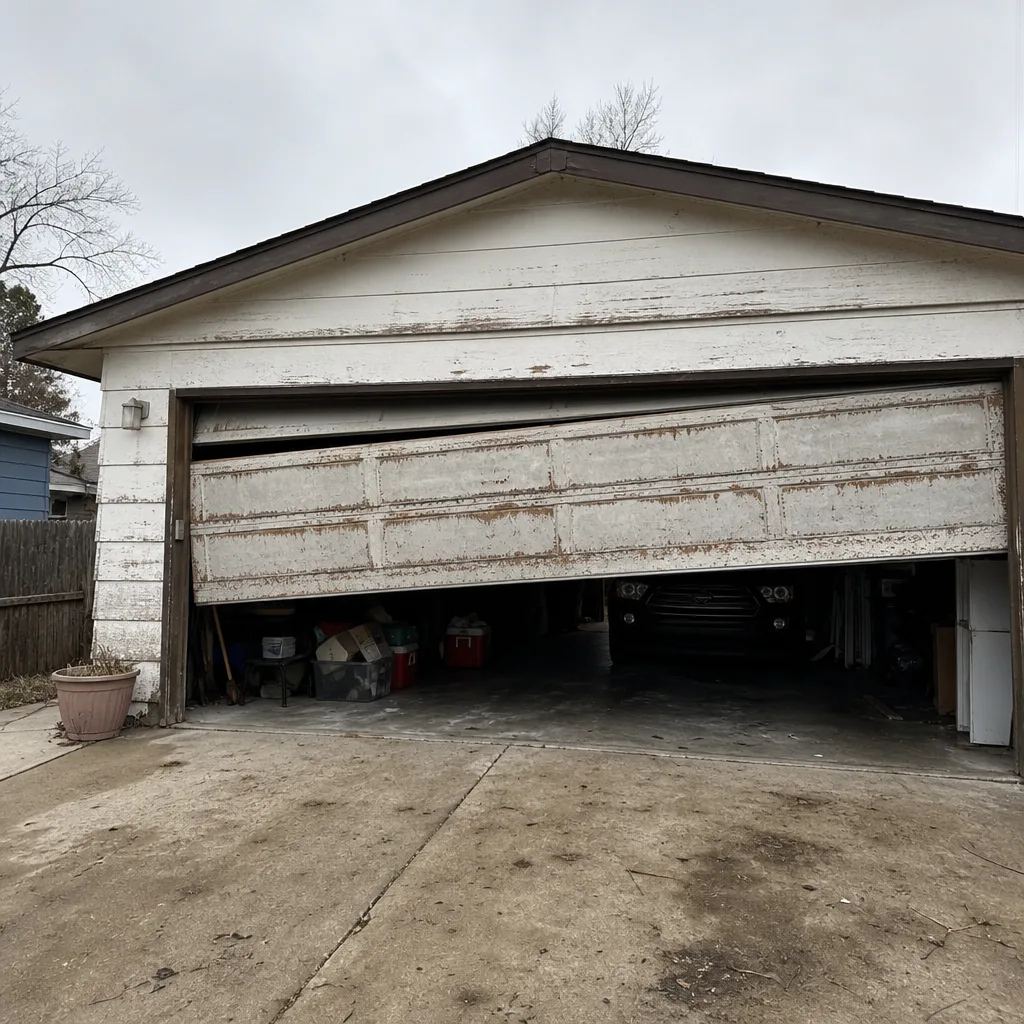 Before
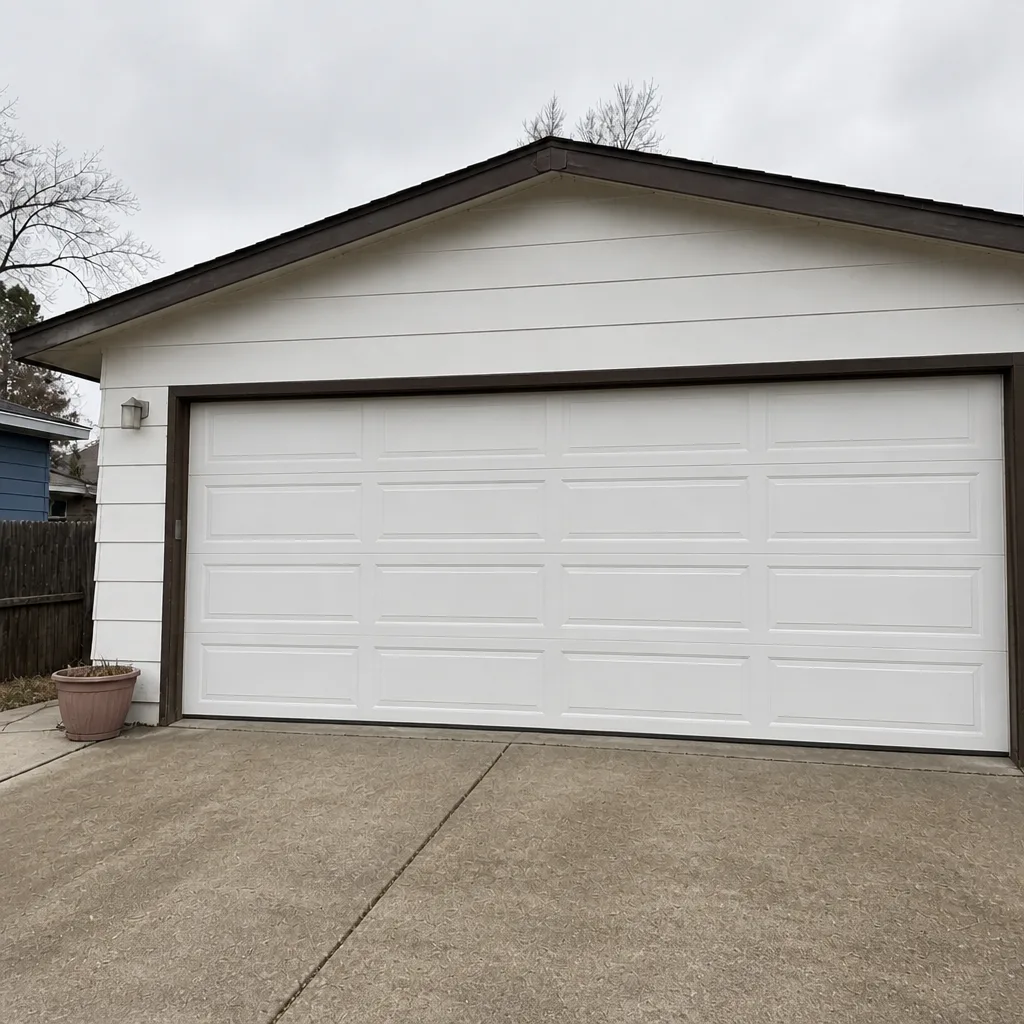 After
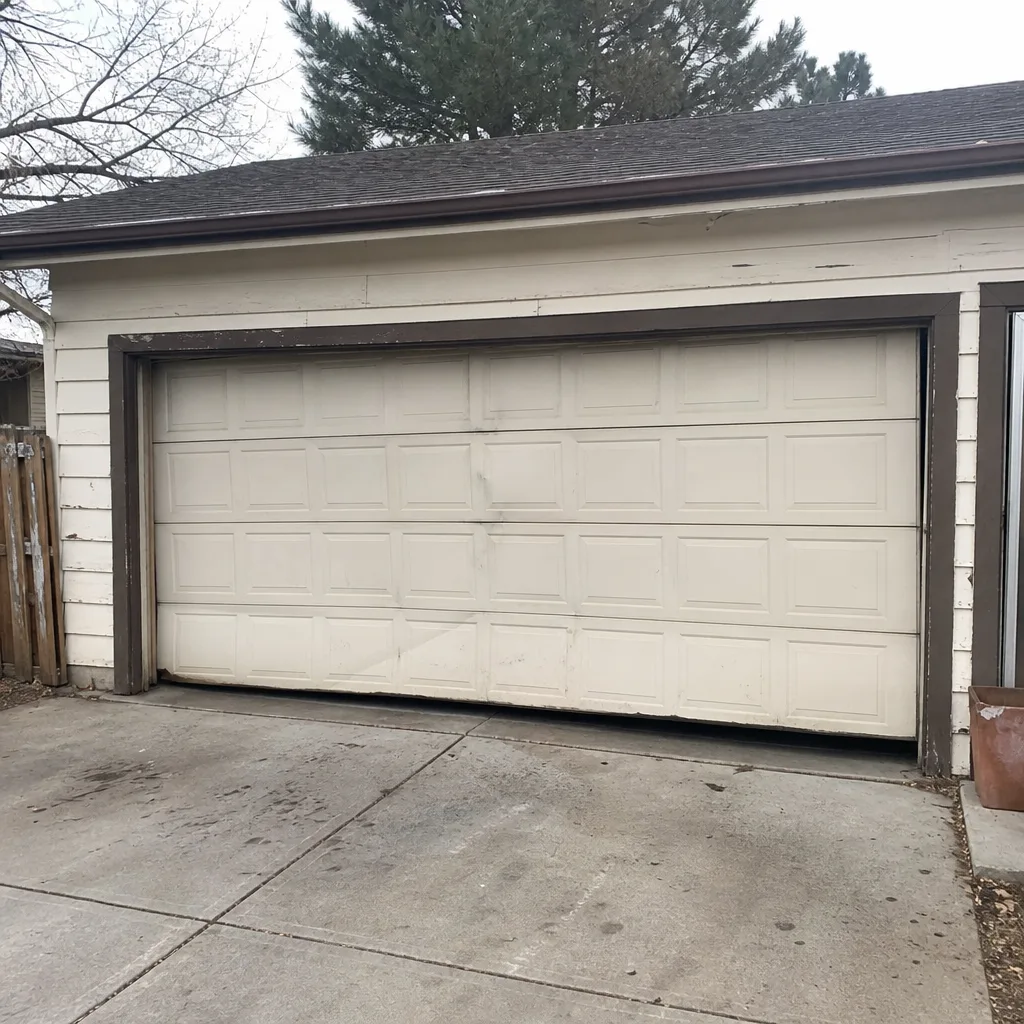 Before
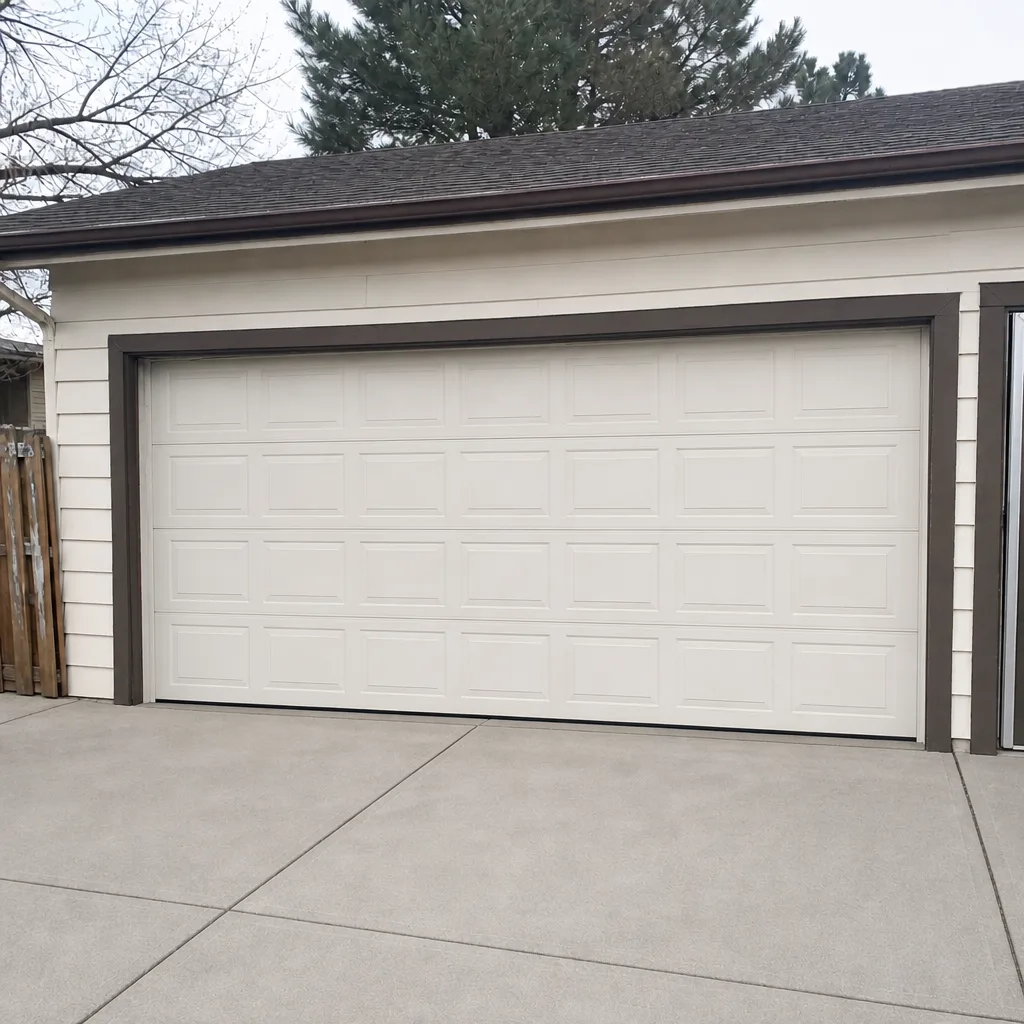 After
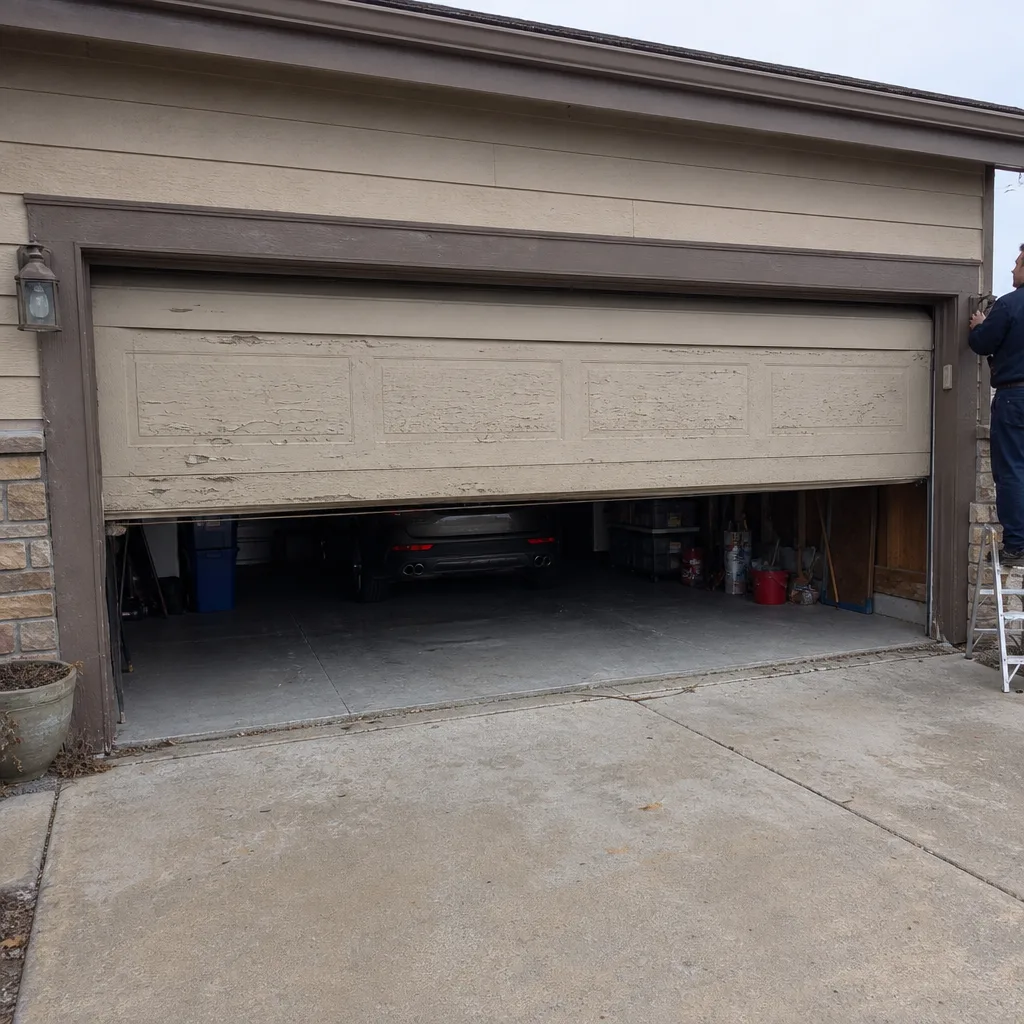 Before
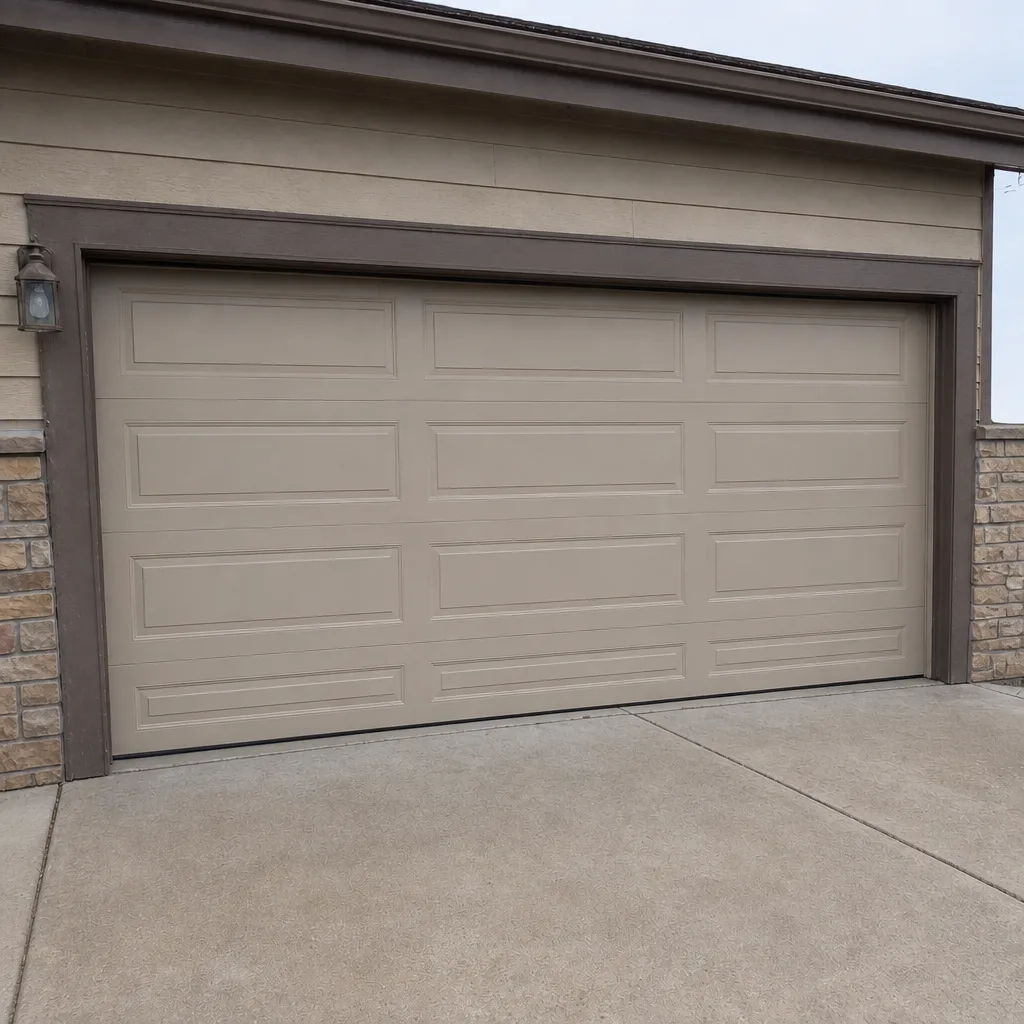 After
When to Call a Professional
Some problems are safe to check yourself. Others need a trained technician, and it’s worth knowing the difference. Call a professional when a spring breaks, when a cable frays or snaps, when the door comes off its track, when a panel is damaged enough to affect the door’s structure, or when the opener’s safety reverse doesn’t work. Those are the situations where a homeowner can get hurt trying to force a fix. For a door that won’t close, a noisy door, or an opener that’s not behaving, a call is still the fastest way to an answer, and it’s usually one visit. Broomfield Garage Door Repair Pros offers free estimates in Broomfield, and a call to (833) 625-1667 is the starting point for both repair and new installation. The price is quoted and agreed before any work starts, so there’s no surprise on the invoice.
Frequently Asked Questions
Garage door repair in Broomfield is quoted per job, and the exact price depends on the part and the diagnosis. A spring repair, an opener fix, and a track adjustment are different jobs at different prices, which is why we give a written estimate after we see the door. The written estimate is the price, and nothing starts until you agree to it. Call (833) 625-1667 for a free estimate.
Same-day service is available for repair calls, including emergency service when a door fails and can’t wait for the next appointment. If your door is stuck open, stuck closed, or came off its track, call us and describe what happened. The sooner we have the symptoms, the faster we can get a technician to you.
Temperature swings change spring tension and make rollers and hinges stiffer, so a door that runs smoothly in summer can feel heavier in winter. That’s normal up to a point, and it’s a good reason to have the balance checked as the seasons change. If the door feels very heavy or the opener is straining, that’s a call.
Permit requirements vary, so ask the city’s building department what applies to your specific project before work starts. A like-for-like replacement is often simpler than a full installation, but it’s worth confirming. Your HOA rules are a separate check, and both are worth doing before you order the door.
Heavier-gauge steel is the most practical choice for most Broomfield homes, because it handles UV, takes paint, and is easy to repair. Wood composite and fiberglass hold up well, and aluminum is the most dent-prone. For the exposed side of a house, a heavier steel or composite door gives you the best hail resistance. Call for a free measure and a written estimate.
The written estimate we give you is the price, and work doesn’t start until you agree to it. If a technician finds something different once the door is inspected, they’ll explain it and give you a revised estimate before any work begins. You’ll never get a surprise invoice for work you didn’t approve. Call (833) 625-1667 for a free estimate.
The Bottom Line
A garage door in Broomfield is a system, and the parts depend on each other. Springs set the load, the opener follows the springs, and the tracks, rollers, and cables determine how smoothly the whole thing runs. At 5,400 feet with sharp temperature swings, that system needs correct spring tension and opener torque from day one. Your material choice, your HOA rules, and your maintenance rhythm all feed into how long the door lasts. When something goes wrong, diagnose what you can safely, write down the symptoms, and call a technician for anything involving springs, cables, or a door off its track. Broomfield Garage Door Repair Pros offers free estimates in Broomfield. Call (833) 625-1667 for a free estimate and a written price before any work starts.
We service the major systems already in your garage, including LiftMaster, Chamberlain, Craftsman, and Raynor, and one call covers the door, the opener, and the installation work. If you’re comparing repair against replacement, the answer starts with a proper look at the whole system. That’s the honest way to do it, and it’s how we work for homeowners across Broomfield.
Written by the team at Broomfield Garage Door Repair Pros.