Last updated November 22, 2026
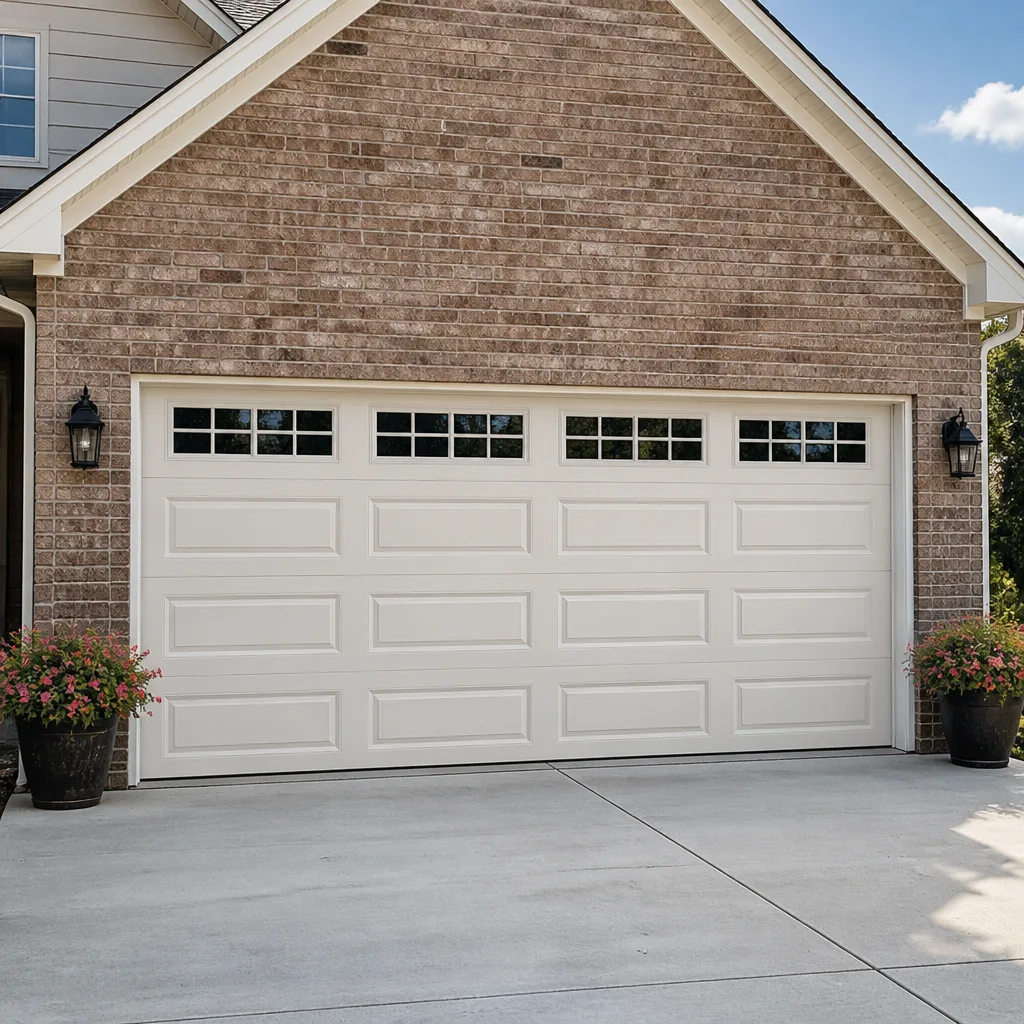 Raised-panel steel
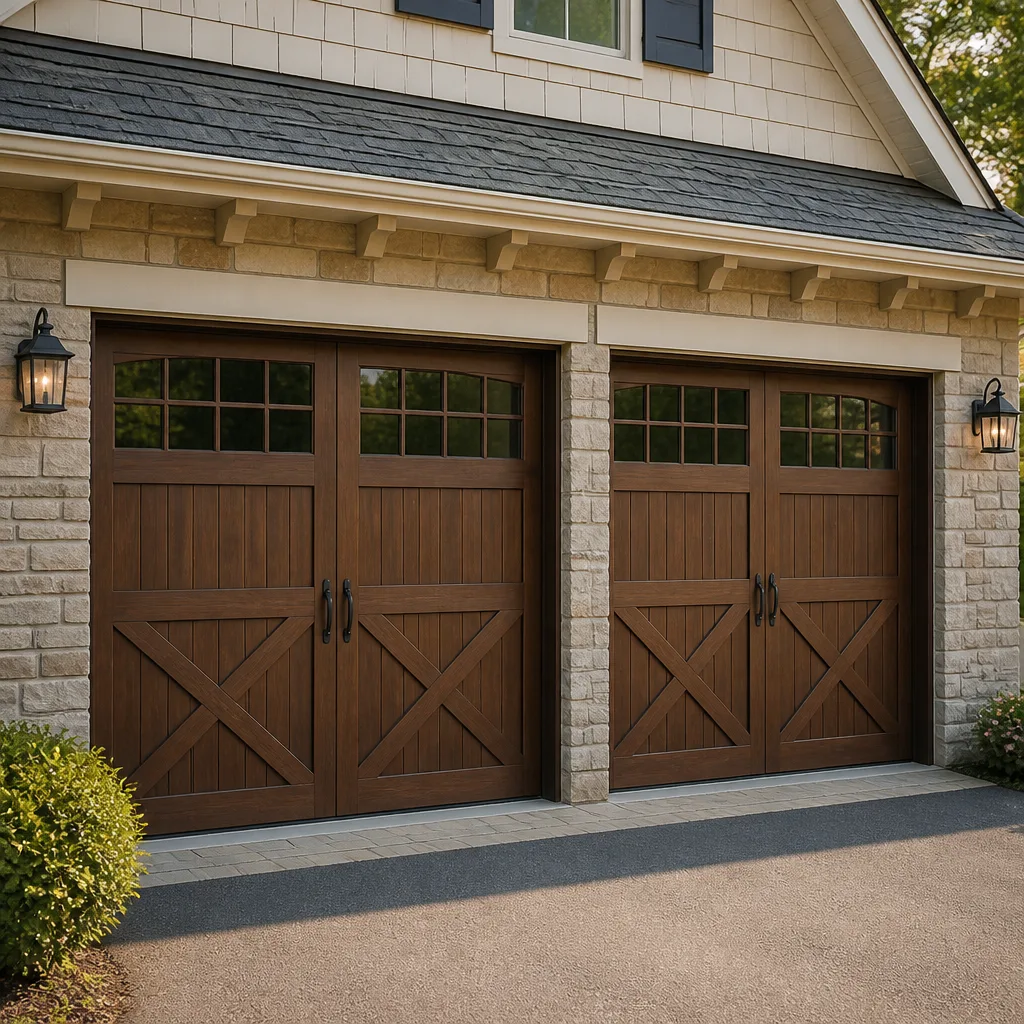 Carriage house
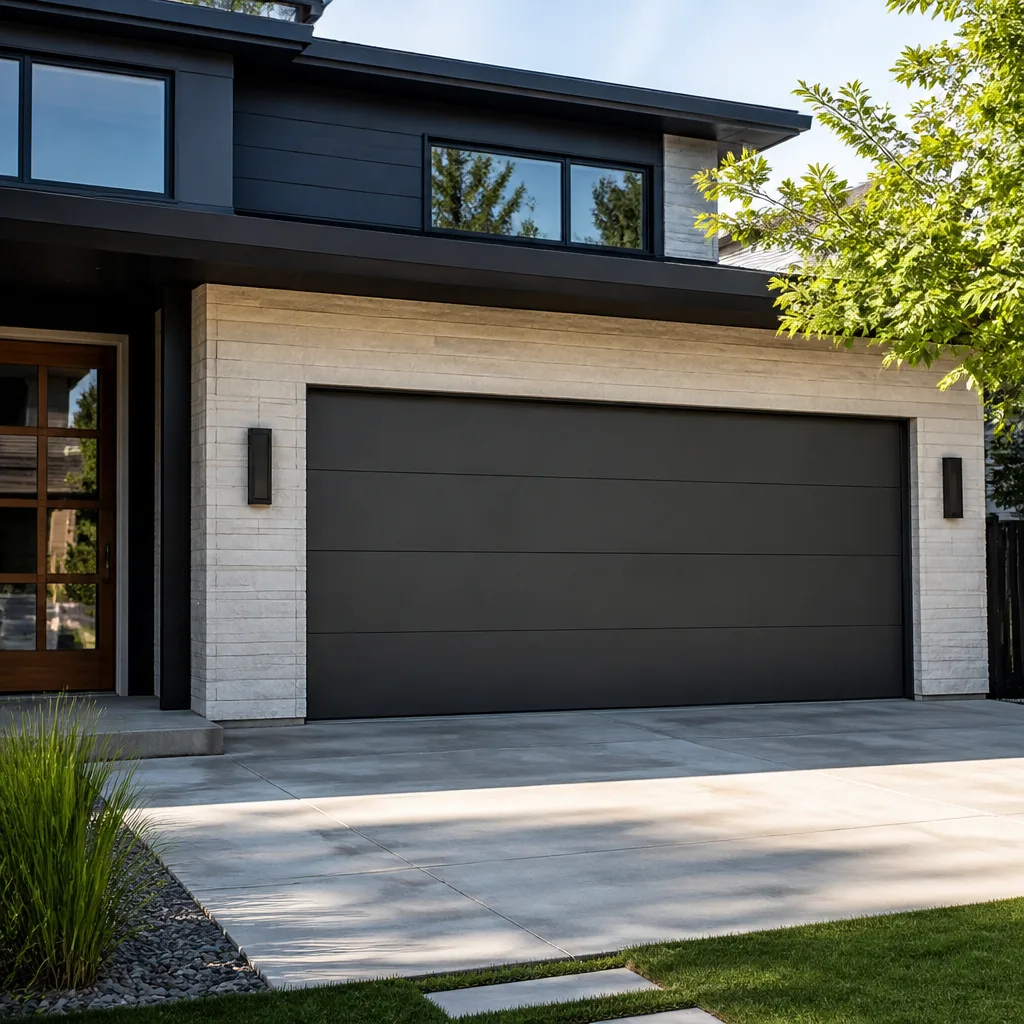 Modern flush
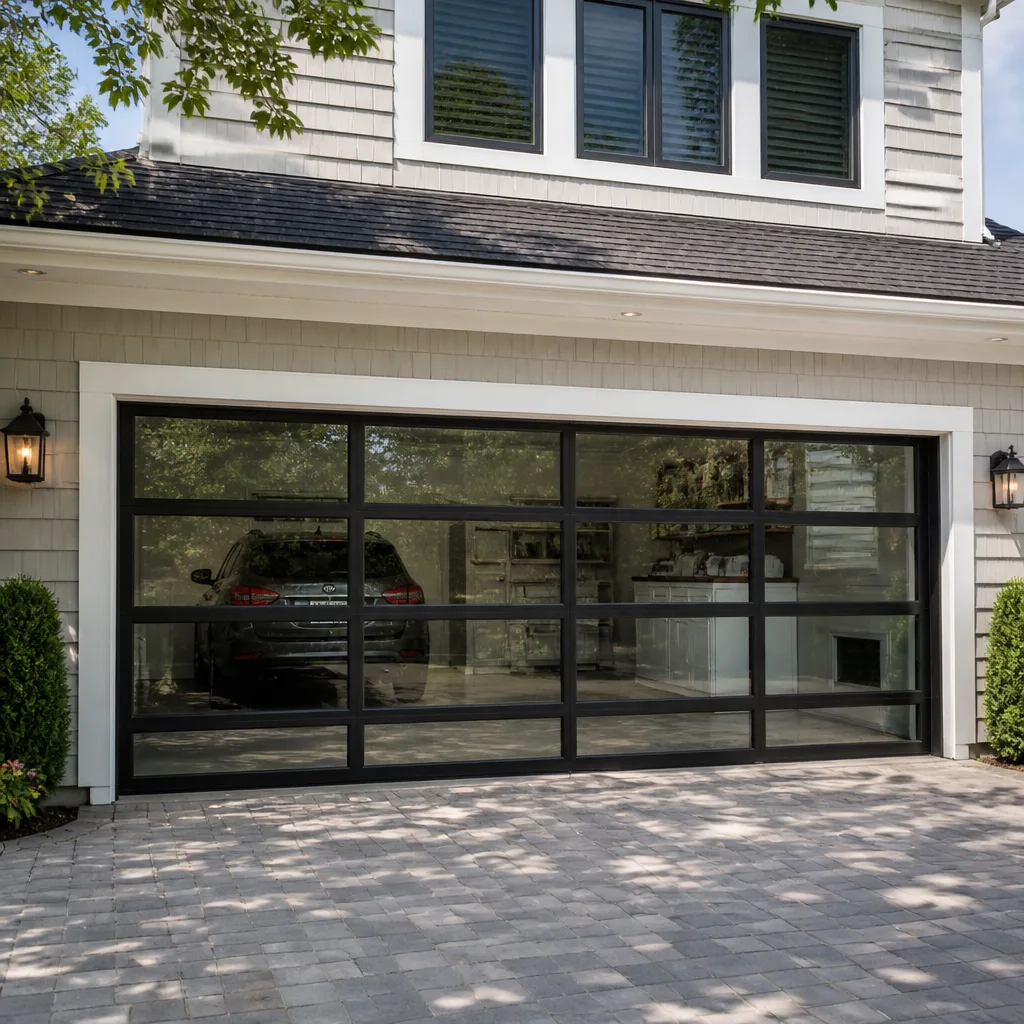 Full-view glass
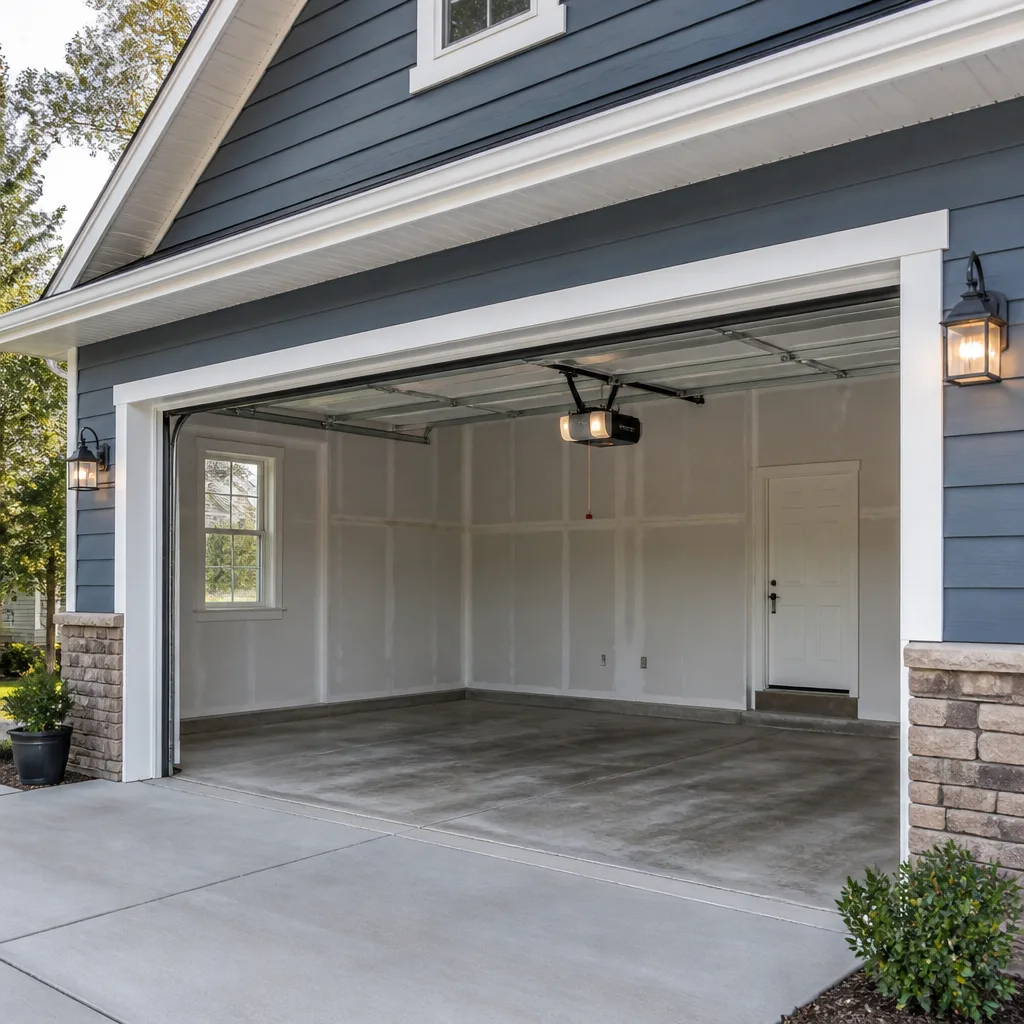 LiftMaster openers
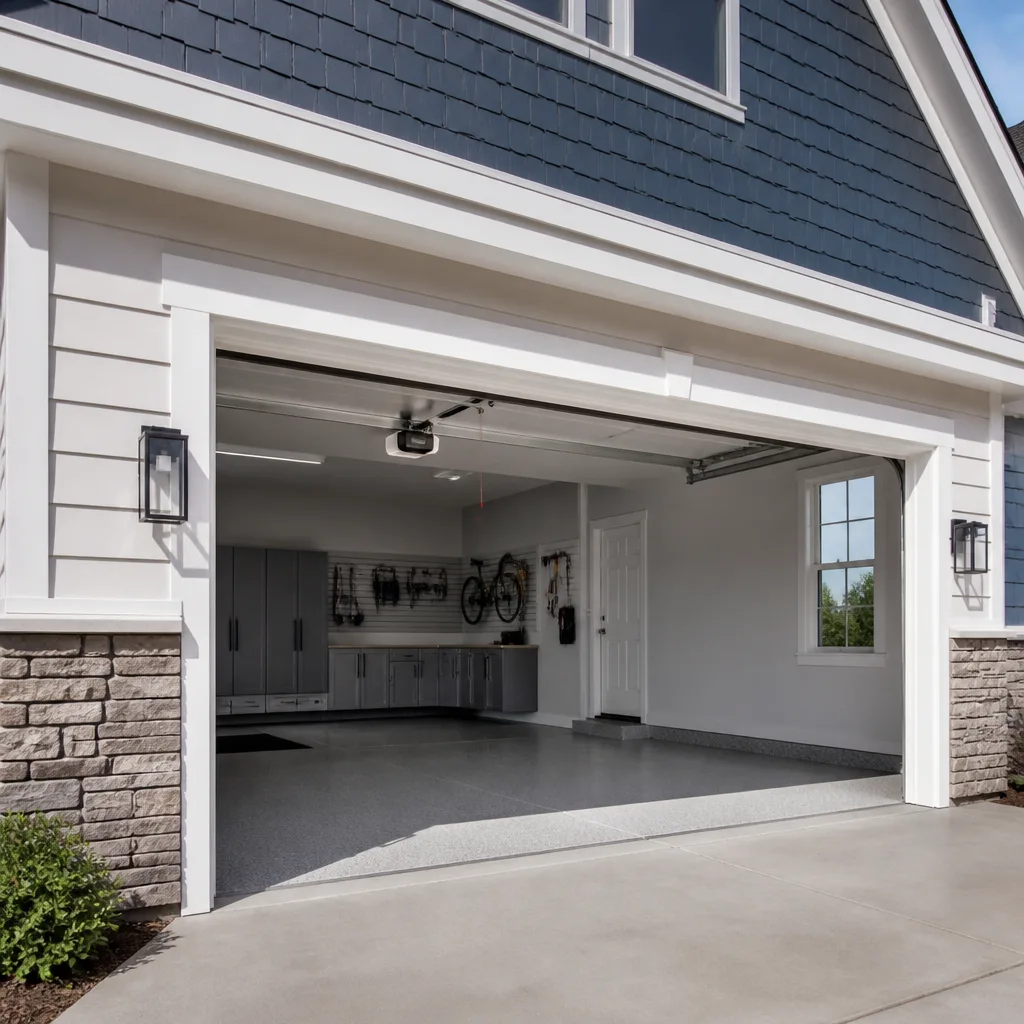 Chamberlain openers
Full 25-point door and opener safety check with every visit - springs, cables, rollers, tracks, and your LiftMaster or Chamberlain opener included
You get a price before we start. It does not change when the pro arrives.
Get your free estimateChoosing the Right Garage Door Brand: A Buyer’s Guide for Broomfield
The most popular garage door brand in America isn’t automatically the right one for your home in Broomfield. Plenty of the best-selling steel doors sold nationally use panel gauges thin enough to dent in a moderate Colorado hailstorm that a heavier mid-tier panel would shrug off. That gap between what sells and what survives is where most homeowners get steered wrong. Brand names carry weight in advertising, but in a climate like ours the useful questions are different: how thick the steel is, whether the opener’s parts sit on a shelf in the Denver metro or a ship queue, and what a “lifetime” warranty actually covers. This guide walks through the criteria that matter for Front Range homes and shows you how to compare brands like LiftMaster, Clopay, Genie, and Raynor on the facts.
Quick Answer
The best garage door brand for Broomfield homes is the one whose steel gauge, opener parts availability, and warranty terms fit a hail-prone, UV-heavy, high-swing climate, not the one with the biggest ad budget. For most Front Range homeowners that means a door at 25 or 27 gauge with a warranty that transfers at resale, paired with an opener brand whose replacement parts are stocked locally. Familiar names like Clopay, Amarr, Wayne Dalton, and LiftMaster all make models that hold up well here, but the specific model and gauge matter more than the logo on the box.
Styles & brands we work with
- Raised-panel steel
- Carriage house
- Modern flush
- Full-view glass
- LiftMaster openers
- Chamberlain openers
Table of Contents
- Why Brand Loyalty in Garage Doors Is Mostly Marketing
- Steel Gauge and Hail: The Single Most Important Spec in Broomfield
- Opener Brands and Parts Availability in the Denver Metro
- R-Value Reality: How Insulation Claims Hold Up in Colorado’s Dry Cold
- Warranty Fine Print Decoded: What “Lifetime” Really Means
- The Parts Ecosystem: Open Aftermarket vs. Proprietary Lock-In
- How Broomfield’s Climate Reshapes a National Brand Comparison
- A Step-by-Step Way to Choose Your Brand and Model
Why Brand Loyalty in Garage Doors Is Mostly Marketing
Garage door brands earn attention through advertising and consumer surveys, and those scores reflect what buyers think in the first year after purchase. That’s a poor match for how a door actually ages in Broomfield, where it will face repeated hail seasons, intense summer sun at 5,000-plus feet, and temperature swings that can move 40 degrees in a day. A survey taken in month three doesn’t tell you what a panel looks like in year eight.
There’s also a quiet consolidation behind the brand names. Several labels you see on doors and openers come off overlapping factory lines or share components under different badges. That doesn’t make them identical, but it does mean the badge is a weaker signal than the spec sheet. What we’ve seen across thousands of service calls is that the door that lasts is the door with the right gauge, the right finish, and a repair path that doesn’t require waiting on a factory order.
Brand-agnostic service matters here too. When a company works on one manufacturer’s line only, every recommendation tends to bend toward that line. Because our technicians handle eight of the most widely installed brands in North America, we can tell you honestly whether your existing Craftsman opener is worth repairing or whether a new one makes more sense, without a sales target steering the answer. That’s the difference between brand loyalty and brand literacy.
For Broomfield homeowners, the practical takeaway is simple: treat the brand as a starting point for the conversation, not the conclusion. The next few sections get into the specs that should actually drive the decision. If your current door is already failing, our garage door repair service can diagnose it while you weigh replacement options.
Steel Gauge and Hail: The Single Most Important Spec in Broomfield
Steel gauge is the thickness of the door’s steel skin, and in Colorado’s storm belt it’s the spec that decides how your door looks after a hailstorm. Lower gauge numbers mean thicker steel, so 24 gauge is thicker than 25, and 25 is thicker than 27. A door built at 27 gauge will withstand impact that leaves a visible dent in a 24-gauge panel from the same storm.
Most national-brand steel doors ship in one of three gauges, and the difference shows up fast in Front Range weather:
- 24 gauge: The thinnest of the common residential options. Common on entry-level models. It can oil-can or dent from hail that heavier panels shake off, and dents in steel panels aren’t easily repaired without replacing the section.
- 25 gauge: The middle ground and the most common spec on mid-tier doors. A reasonable choice for garages that face away from prevailing storms, but not the most forgiving in a heavy hail corridor.
- 27 gauge: The heaviest of the standard residential skins. It resists denting noticeably better and is the spec we generally point Broomfield homeowners toward when hail is the main worry.
Gauge isn’t the only factor. A door with a full-width strut or a heavier end stile distributes impact better than a thin panel flying solo, and a factory finish rated for UV exposure keeps the paint from chalking under Colorado sun. Hailstorms along the US 36 corridor and up toward the foothills don’t discriminate by neighborhood, so a door in Anthem or Broadlands needs the same hail consideration as one in Interlocken.
One important caution: a dented panel can hide damage to the door’s structural components, and a door that’s been hit hard enough to dent may also have a bent track or a stressed spring. Spring and cable work is genuinely dangerous, and it’s not a DIY job. If your door has taken a hit, have a trained technician check the whole system before you assume you only need a panel swap. Our garage door spring repair team handles the safety-critical side of that inspection.
Opener Brands and Parts Availability in the Denver Metro
Opener brands are where national reputation and local reality diverge most. An opener is an electronic device with wear parts: gears, logic boards, capacitors, safety sensors, and remote or wall-control radios. When one fails, the question isn’t which brand “won” a survey, it’s whether the replacement part is on a shelf in the Denver metro or on a ship from a factory warehouse.
The big three in residential openers are LiftMaster, Chamberlain, and Genie, with Craftsman units built on Chamberlain’s platform for much of their history. All three have broad dealer and parts networks, which is why we recommend them for Broomfield homes. A belt-drive LiftMaster or a Genie screw-drive that fails a logic board usually has a replacement within reach, sometimes the same day or next day, whereas a niche import brand can mean a week or more waiting on a special order.
Here’s how we think about opener brands in practice:
- Check the drive type first. Belt, chain, screw, and jackshaft openers have different wear patterns. Belt drives run quiet and suit bedrooms above the garage; chain drives are louder but rugged; jackshaft openers fit garages with low ceilings or high-lift tracks.
- Confirm parts availability before buying. Ask the seller or installer whether logic boards, gears, and sensor kits for the model are commonly stocked. A popular brand carried by many dealers is a safer bet than an exotic one.
- Match smart features to what you’ll use. Wi-Fi and phone-app control are convenient, but if you mostly use a remote and a wall button, you’re paying for features you won’t touch. MyQ and similar systems are worth it if you actually use them.
- Plan for the safety sensors. Every modern opener relies on a photo-eye sensor pair near the floor. If you have kids or pets, working sensors aren’t optional.
If your opener is dead or misbehaving, our garage door opener repair service covers mechanical and electronic faults under one call, so you’re not chasing down a second contractor for the opener after a door repair. For Broomfield homes, that one-call coverage is often the difference between a same-week fix and a week of parking in the driveway.
Our technicians have up to 14 years of experience across LiftMaster, Chamberlain, Genie, Clopay, Amarr, Wayne Dalton, Craftsman, and Raynor systems, which means the brand on your opener is usually one we see regularly.
R-Value Reality: How Insulation Claims Hold Up in Colorado’s Dry Cold
Manufacturers advertise R-values measured under humid-climate test conditions, and those numbers don’t map cleanly to how an insulated door performs in Colorado’s dry, cold winters. R-value is a measure of thermal resistance, and in a dry climate an insulated door’s real-world performance depends as much on air sealing at the perimeter as on the panel’s stated rating.
A few things to keep straight:
- R-value is per door, not per panel. Comparing two doors by their panel R-value alone ignores how the sections meet and how airtight the perimeter is.
- Humid vs. dry testing. Insulation materials are often tested to a standard that assumes higher humidity. In dry cold, some foam insulations perform differently, and the door’s air sealing does more of the work than the foam itself.
- An attached garage isn’t a conditioned space. Insulation slows heat loss into the garage and reduces drafts, but it doesn’t turn a garage into a heated room. Expect a warmer garage, not a warm one.
In Broomfield, an insulated door earns its keep in winter: it cuts down on cold drafts that reach into rooms above or beside the garage and helps keep the door itself from frosting at the edges. Spring and summer, the same door blocks radiant heat from baking the garage. If you’re comparing brands, look for a polyurethane core rather than polystyrene if you want better performance, and check whether the door has a full perimeter seal and a bottom weatherstrip that actually contacts the floor. Those details matter more in our dry cold than the headline R-value printed on the brochure.
If you’re weighing whether to repair or replace, a technician can measure your door’s condition and help you compare the cost of upgrades against a full Broomfield Garage Door Repair Pros installation.
Warranty Fine Print Decoded: What “Lifetime” Really Means
“Lifetime” warranties are the most misread part of a garage door purchase. In practice, lifetime rarely means the whole door is covered for as long as you own it. It usually means the manufacturer will cover certain components for a set period or for the life of the door, often with exclusions for labor, weather damage, and normal wear.
Here’s how to read a warranty before you buy:
- Separate the coverage layers. Most warranties bundle sections, hardware, finish, and opener components into separate terms. The finish may be covered for one period, the steel sections for another, and the springs for a shorter one still.
- Look for the labor exclusion. Even a strong parts warranty usually excludes the labor to install the replacement part. That’s fine, but know it going in.
- Check the transferability clause. This is the one that matters most in Broomfield’s active real estate market. Some brands let the warranty transfer to a new owner if the original purchase is documented and the door is registered. Others void on transfer entirely.
- Read the exclusions. Hail, wind damage, and improper installation are commonly excluded, which is exactly why gauge and installation quality matter so much here.
- Keep the paper trail. The original receipt, model number, and installation date are what a warranty claim runs on. Label the inside of the door or keep the documents with your home files.
One point: “lifetime” warranties often carry conditions that vary by model, so the only meaningful comparison is the specific document that ships with the model you’re considering. Ask the seller for the warranty document, not just the brochure headline.
Transferability also has a practical side. When you sell a Broomfield home, a buyer who learns the door warranty transfers is getting a small but real reassurance. A door that transfers with a solid section and hardware warranty is easier to talk about than one with a lapsed claim.
The Parts Ecosystem: Open Aftermarket vs. Proprietary Lock-In
The brand you choose also decides who can repair it and at what price. Some manufacturers design their doors and openers to use standard, widely available parts. Others use proprietary systems that keep replacement parts in a single vendor’s hands. That difference shows up when something fails years down the line.
A door built around common parts is easier to fix, and the fix is usually faster and less expensive. Proprietary doors and openers can force you back to a single source for a logic board, a gear set, or a custom panel. When that source is slow, the whole repair waits.
How to judge a brand’s parts ecosystem:
- Ask how common the model is. Popular models from Clopay, Amarr, Wayne Dalton, and Raynor have parts that circulate widely. A model sold in limited markets may not.
- Check whether the opener uses standard sensor and remote kits. If your remote fails, can you buy a replacement anywhere, or only from one vendor?
- Look at aftermarket availability. Springs, hinges, rollers, cables, and bottom seals are commodities on common doors, and that keeps repair costs normal.
- Consider your neighbors. If the same model door is all over Broomfield, parts are easier to find and easier to swap.
Open doors like a Craftsman or a LiftMaster opener that shares a platform with other brands tend to give you more repair paths. Proprietary designs can be excellent products and still create headaches when a component fails, because your repair timeline is tied to one supplier’s shipping schedule. In Front Range weather, a door stuck open during a storm isn’t a small inconvenience.
How Broomfield’s Climate Reshapes a National Brand Comparison
National brand comparisons usually weigh price, style, and survey scores. In Broomfield, three local factors should outrank all of those:
- Hail. The US 36 corridor and the foothills west of town see repeated hail seasons. Gauge and panel construction determine whether your door comes out of a storm looking like itself or with a dented face.
- UV and altitude. At Broomfield’s elevation, summer sun is intense. Factory finishes rated for UV exposure hold up better than thin paints, and that’s a brand and model difference, not just a color choice.
- Temperature swings. A 40-degree day-to-night swing is normal here. Doors expand and contract, which stresses hinges, rollers, and seals. A door with a heavier build and quality hardware tolerates those cycles better.
What that means for brand selection is that the model matters more than the label. A well-specified Craftsman or Wayne Dalton door at 25 or 27 gauge can outperform a thinner door carrying a more famous badge. The right comparison is model-to-model and gauge-to-gauge, not logo-to-logo.
Broomfield’s neighborhoods vary in exposure: homes in the Broadlands or Anthem sit out in the open, while trees and adjacent structures in older parts of town provide breaks. A door that faces a windy, open lot needs more hail consideration than one tucked behind a fence and mature landscaping. Your technician can look at the actual orientation and surroundings of your garage and factor that in.
One more local note: winters bring ice and snow buildup at the door bottom, and a worn bottom seal lets cold air and moisture in. Replacing seals and weatherstripping is part of keeping a door healthy, whatever brand it is.
A Step-by-Step Way to Choose Your Brand and Model
Here’s a practical sequence to work through. It applies whether you’re replacing a door, adding an opener, or just trying to make sense of a brand pitch.
- List what your garage actually faces. Open exposure to hail and wind or sheltered lot? Insulated space above the garage or a detached garage? The answers steer gauge and insulation choices.
- Set your gauge floor. For most Broomfield homes we recommend 25 gauge at minimum and 27 gauge where hail exposure is high.
- Pick the drive type for the opener. Belt for quiet, chain for rugged, jackshaft for tight or high-lift spaces.
- Confirm parts availability. Ask where the opener’s logic board, gears, and sensors come from and how fast they can be replaced.
- Read the warranty fine print. Check transferability, exclusions, and the labor terms, and keep the paperwork.
- Get a measure and a written estimate. A proper installation or replacement is sized to your opening and track, and the written estimate should match the measure.
When you’re ready, call (833) 625-1667 for a free estimate. A technician can measure your opening, walk you through model options, and set you up with a written price before anything is ordered or installed.
Common Mistakes to Avoid
- Buying on brand name alone. A trusted label doesn’t guarantee your model uses 25 or 27 gauge steel. Look at the spec sheet, not just the badge.
- Choosing the thinnest panel to save a little. In a hail-prone area like Broomfield, a thin panel can mean a replacement section sooner than you’d expect. Gauge is worth the difference.
- Ignoring the opener’s parts network. A bargain opener with hard-to-find parts can cost more in the long run than a mainstream unit with locally stocked components.
- Assuming “lifetime” means everything. Read the warranty document for exclusions, labor limits, and transfer terms before you buy.
- Skipping the measure. A door or opener sized for a generic opening can be installed and still be wrong. Always get a measure and a written estimate.
- Trying to fix springs or cables yourself. High-tension springs and cables store dangerous energy. This is the one part of the system that should never be a weekend project.
- Forgetting the finish and seals. Broomfield’s sun and temperature swings wear out paint and weatherstripping. A UV-rated finish and a clean bottom seal make a door last.
See the difference
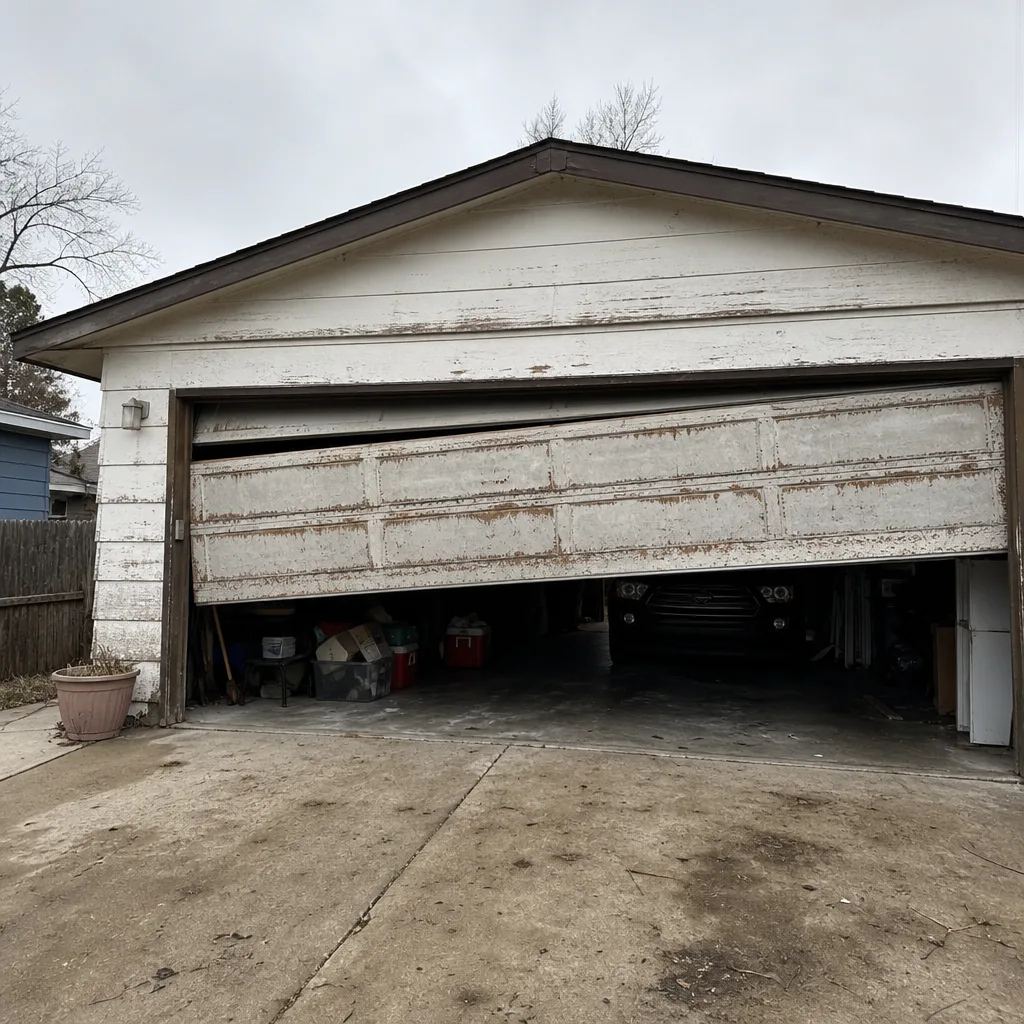 Before
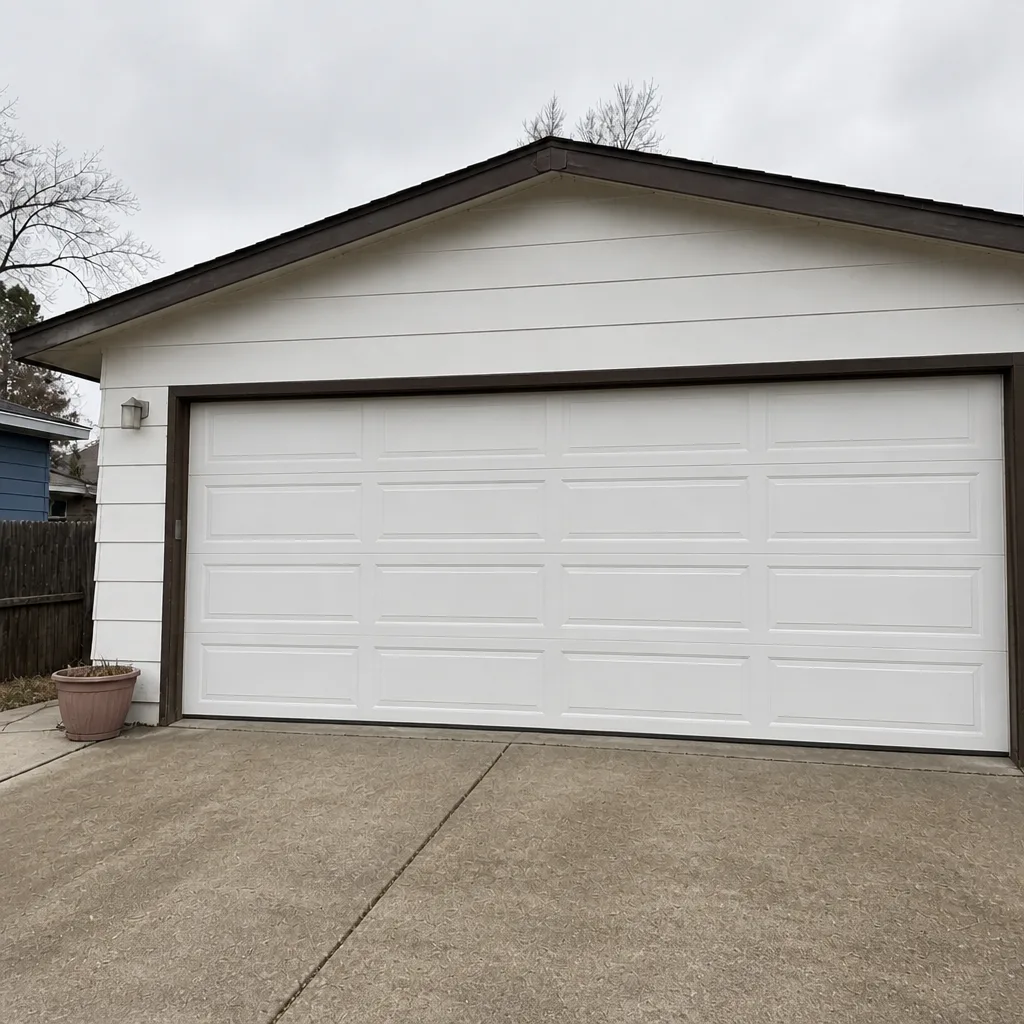 After
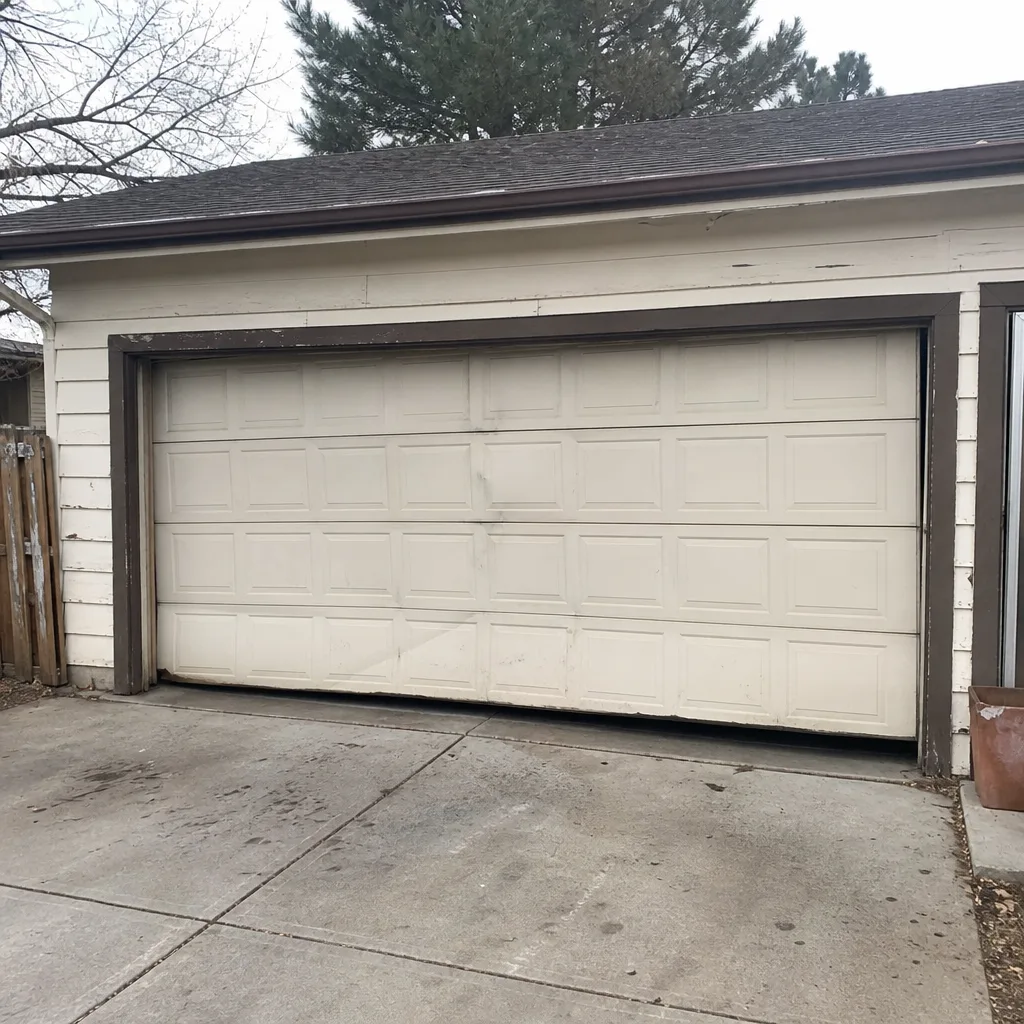 Before
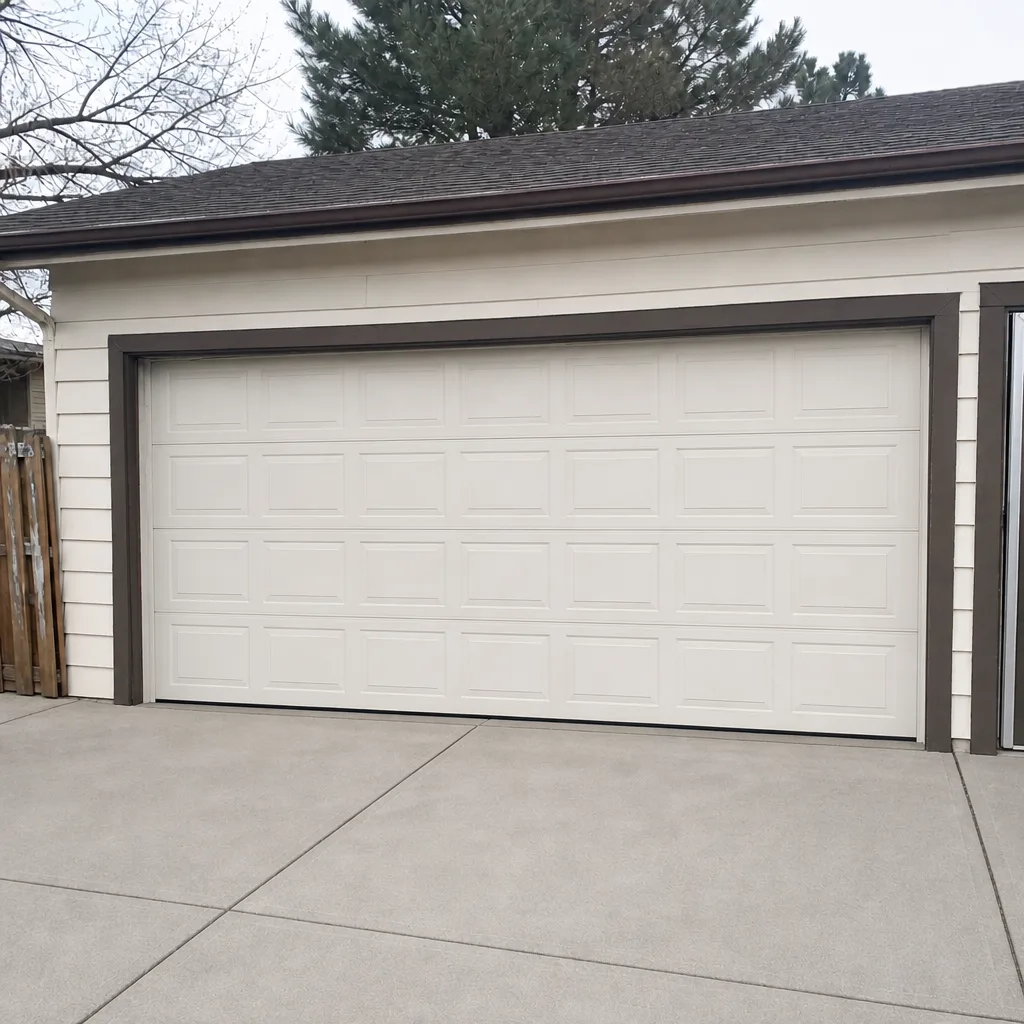 After
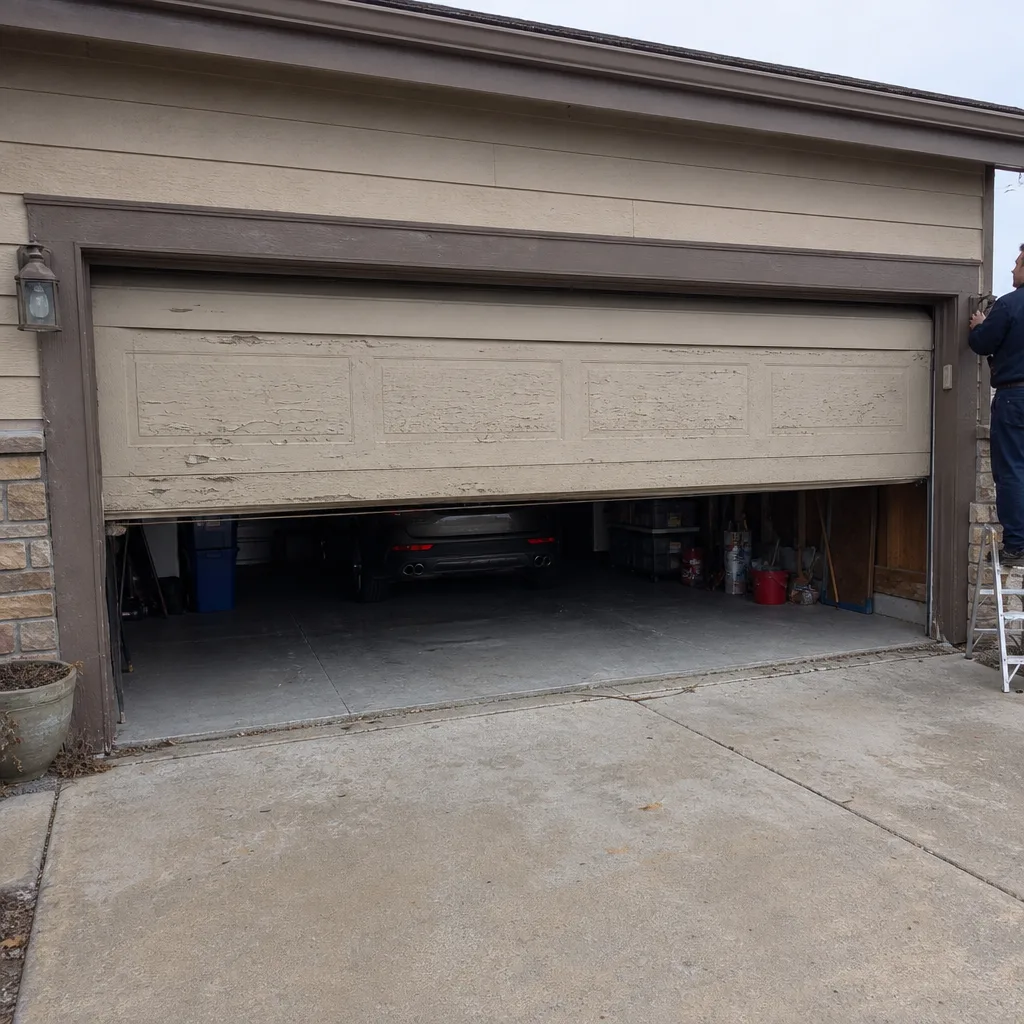 Before
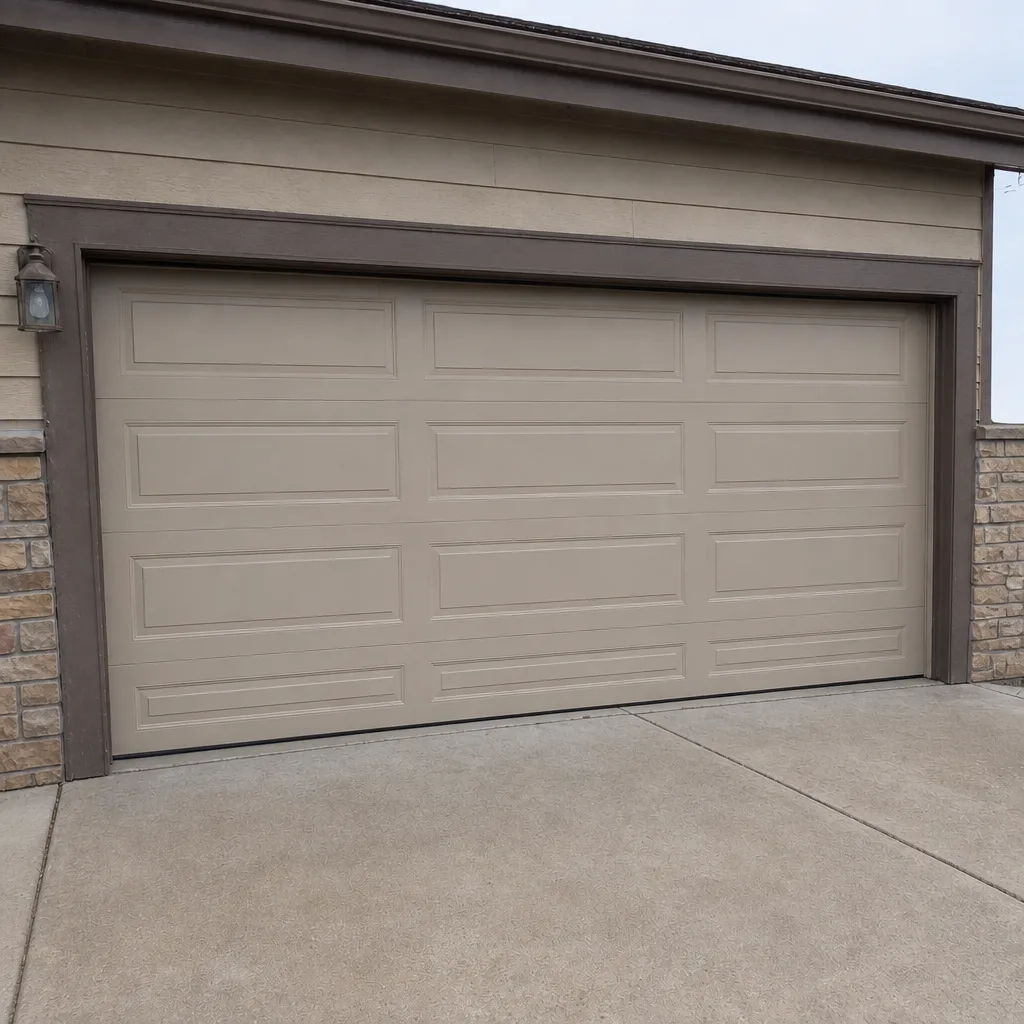 After
When to Call a Professional
A few situations call for a trained technician rather than a weekend fix. If your door has taken hail damage and you’re not sure whether it’s cosmetic or structural, have it checked. If the door won’t close, reverses unexpectedly, or the opener hums but doesn’t move, that’s a diagnostic job, not a guess. If a spring or cable is visibly damaged or the door feels far heavier than usual, stop using it and call: high-tension parts are dangerous and should only be handled by a trained professional. If you’re replacing a door or adding an opener, a proper measure and a written estimate are the right starting point. Broomfield Garage Door Repair Pros offers free estimates in Broomfield – call (833) 625-1667.
Frequently Asked Questions
There isn’t one universal best brand; the best choice is a model that fits Broomfield’s hail, UV, and temperature-swing climate at the appropriate gauge, with an opener whose parts are locally available. Familiar names like Clopay, Amarr, Wayne Dalton, LiftMaster, Chamberlain, and Genie all have models that perform well here, but check the model’s gauge and parts network rather than the logo. Call (833) 625-1667 for a free estimate to compare specific models for your opening.
Aim for 25 gauge at minimum and 27 gauge where your garage faces open exposure to hail and wind. Lower gauge numbers are thicker steel, and thicker steel resists hail denting better than 24-gauge panels. The right choice depends on your lot’s exposure, so ask a technician to look at the orientation of your garage.
Opener brands matter, mostly because of parts availability and drive type, not because motors differ dramatically. LiftMaster, Chamberlain, and Genie units have well-supported parts networks, which means a failed logic board or gear set is a quicker fix than with a niche import brand. Choose the drive type (belt, chain, screw, or jackshaft) for your garage, then pick a brand with local parts.
An insulated door slows heat loss and reduces drafts, but it doesn’t turn an attached garage into a heated room. In Colorado’s dry cold, the perimeter seal and bottom weatherstrip do a lot of the work, so look for both a polyurethane core and a full perimeter seal. Expect a noticeably warmer, less drafty garage, not a conditioned space.
It depends on the brand and model, so read the warranty document before you buy. Some manufacturers allow transfer to a new owner with documentation and registration, while others void on transfer. Because Broomfield’s real estate market moves, ask the seller or installer for the specific transfer terms and keep the original paperwork.
Panel replacement can look simple but isn’t a safe DIY project if the door’s springs, cables, or track are involved. A dented panel can hide damage to structural parts, and high-tension springs and cables are dangerous to handle without training. Have a technician inspect the whole door before deciding whether a panel swap is enough. Call (833) 625-1667 for an estimate.
The Bottom Line
Brand name counts for less in a Broomfield garage door than the specs behind it. The door that lasts in our hail-prone, high-altitude, temperature-swing climate is one with thicker gauge steel, a UV-rated finish, and a warranty that transfers at resale. The opener that lasts is one whose parts are on a shelf in the Denver metro, not on a slow ship. Compare models, not logos, and treat brand loyalty as a starting point. Familiar names like Clopay, LiftMaster, Genie, and Wayne Dalton make excellent products, but the model and installation determine what you actually get. If you want help sorting through the options for your home, we’re here.
Call (833) 625-1667 for a free estimate. We service eight major garage door brands, diagnose mechanical and electronic problems under one call, and give you a written price before any work begins. Whether you need a repair, an opener replacement, or a new door, a Broomfield Garage Door Repair Pros technician can help you choose the right system and get it installed correctly.
Written by the team at Broomfield Garage Door Repair Pros.