Last updated November 22, 2026
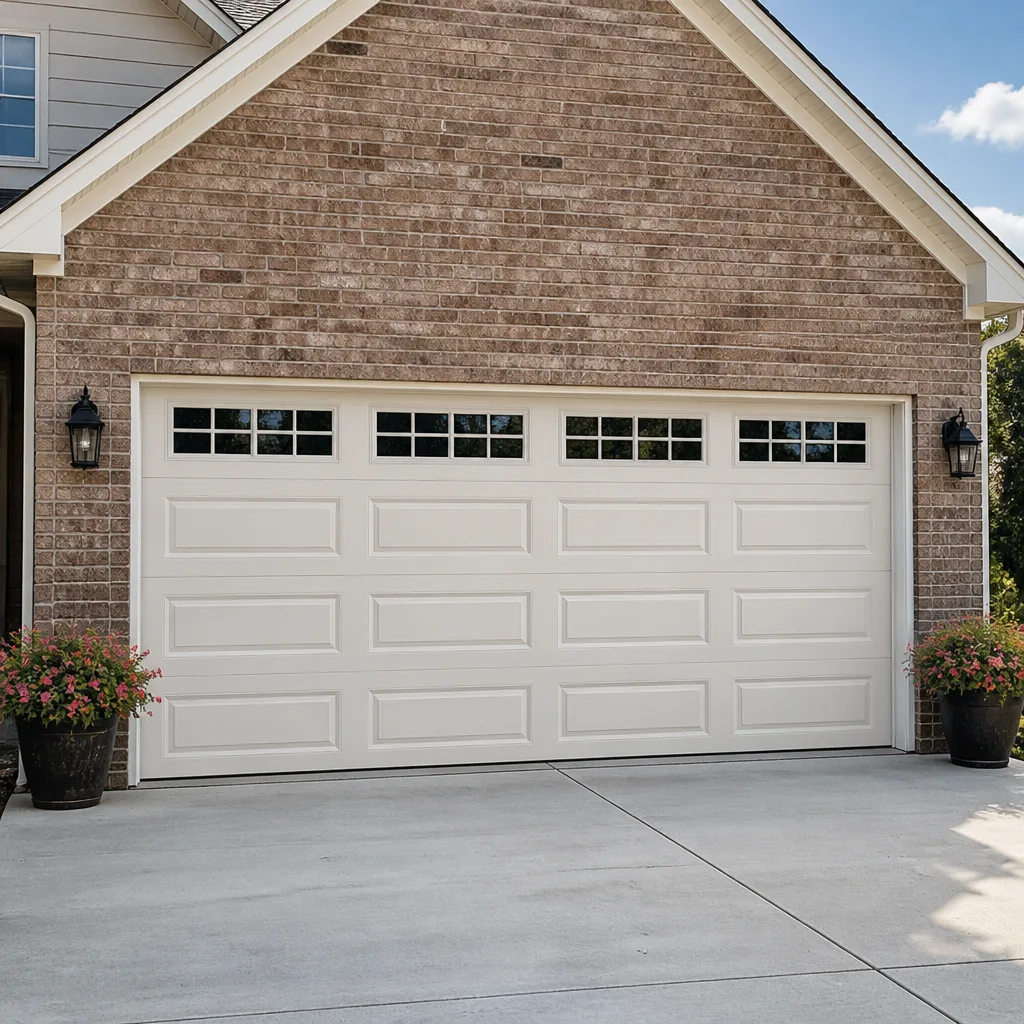 Raised-panel steel
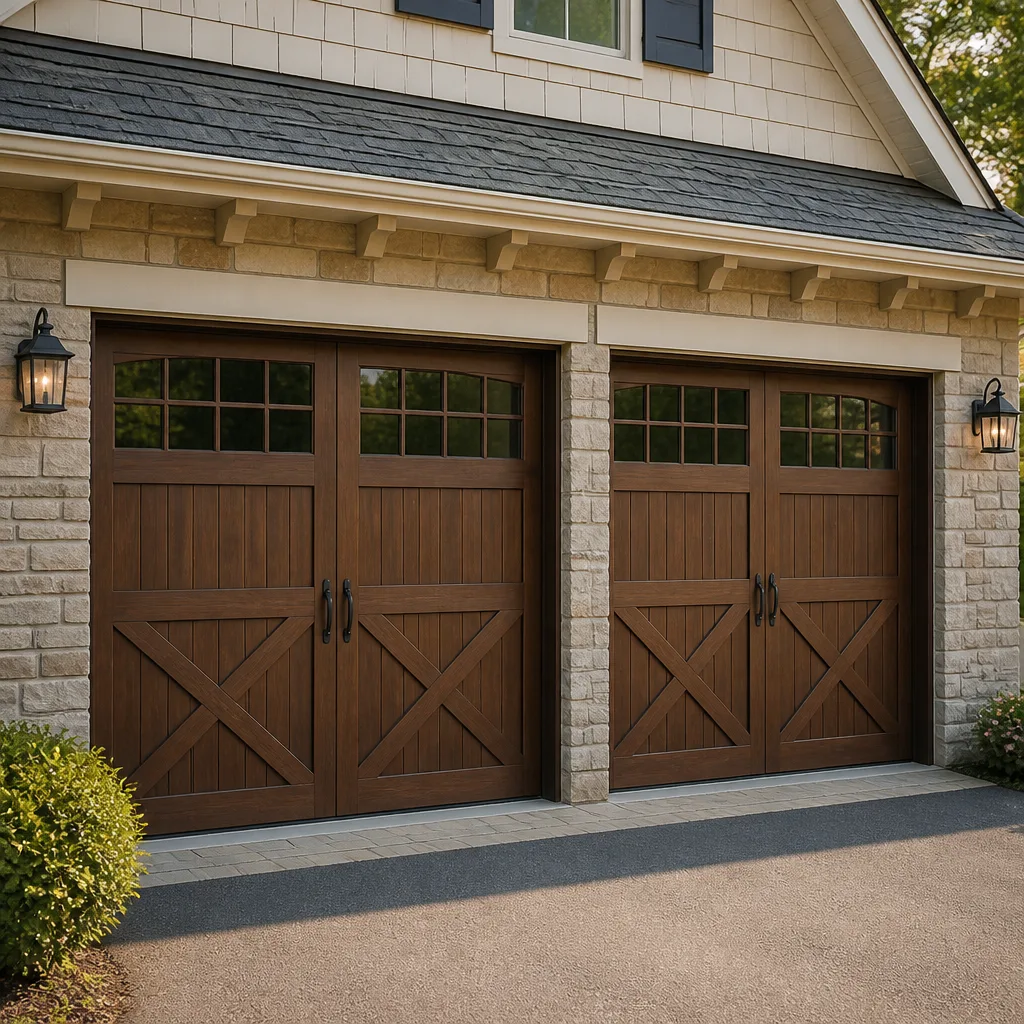 Carriage house
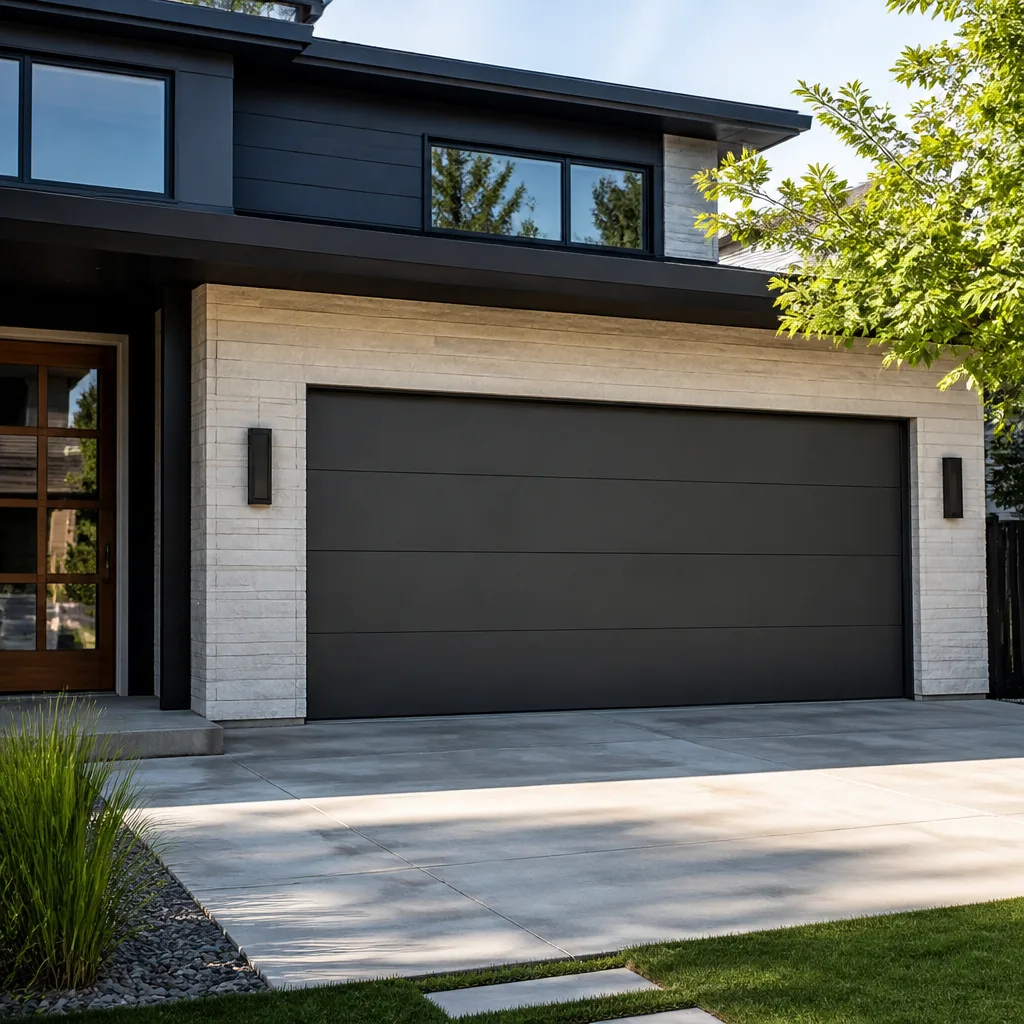 Modern flush
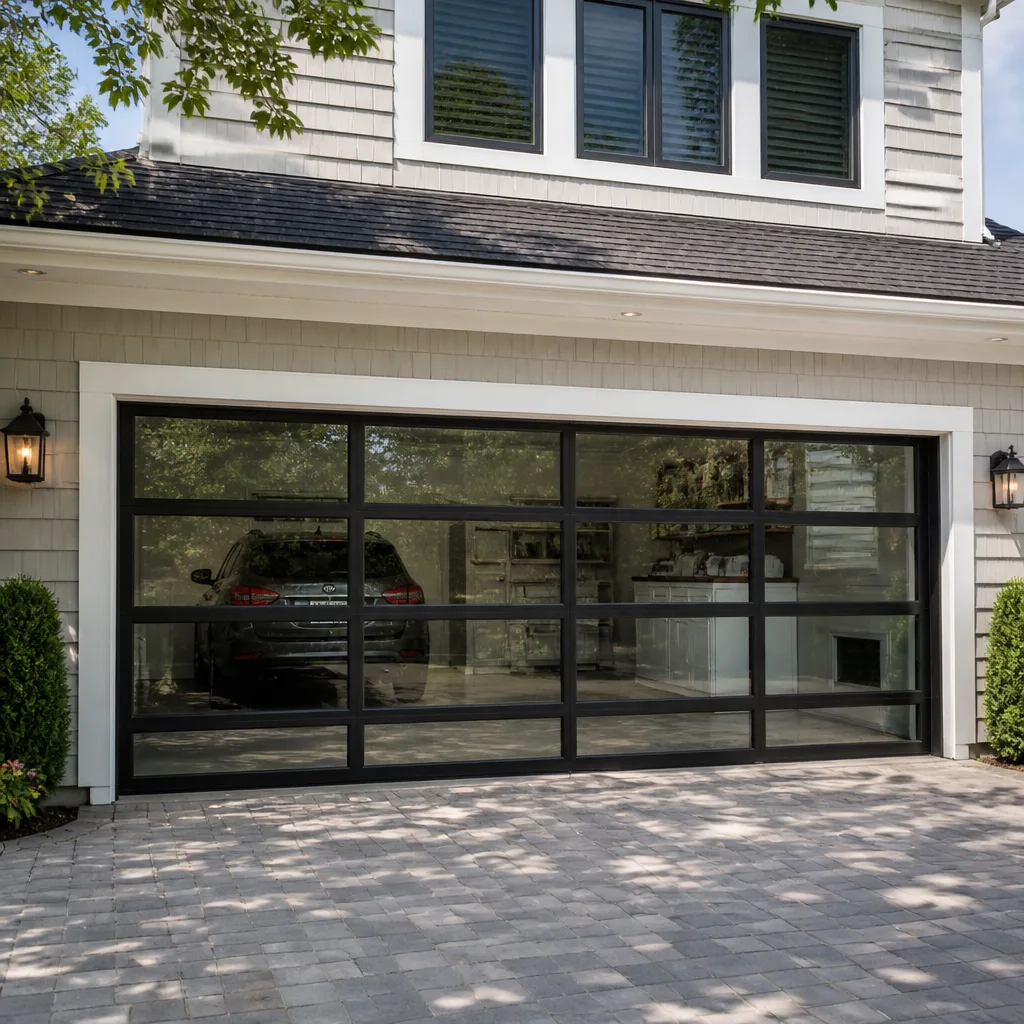 Full-view glass
 LiftMaster openers
 Chamberlain openers
Full 25-point door and opener safety check with every visit - springs, cables, rollers, tracks, and your LiftMaster or Chamberlain opener included
You get a price before we start. It does not change when the pro arrives.
Get your free estimateDIY vs Professional Garage Door: The Broomfield Homeowner’s Decision Guide
Torsion springs store enough energy to do real damage when they let go, and they release it in an instant. That single fact gets repeated so often that it’s turned into a blanket warning: never touch your garage door, call a pro for everything. That’s not quite right either. Some garage door jobs are genuinely safe for a mechanically comfortable homeowner with an afternoon free. Others send people to the emergency room every year, no matter how handy they are. This guide draws the line precisely. We’ll cover what’s safe to tackle, what’s not, how warranty language works on brands like Amarr and Wayne Dalton, and how to think about real costs in Broomfield. By the end you’ll know exactly which side of that line your repair sits on.
Quick Answer
For a Broomfield homeowner, the safe DIY line falls in a specific place: seals, weatherstripping, lubrication, sensor alignment, remote programming, and painting are reasonable to do yourself. Torsion spring replacement, cable work, drum winding, and anything that moves the door’s structural mounting are not – those carry serious injury risk and belong with a trained technician. Everything in between, like track realignment, depends on whether the misalignment is cosmetic or a symptom of something larger.
Styles & brands we work with
- Raised-panel steel
- Carriage house
- Modern flush
- Full-view glass
- LiftMaster openers
- Chamberlain openers
Table of Contents
- Why the Line Isn’t About Skill Level
- The Hard Stop List: Tasks That Are Never DIY-Safe
- Confident DIY Territory: Where You Can Save Real Money
- The Middle Ground: Track and Roller Decisions
- Warranty Implications by Brand
- Real Cost Comparison: DIY vs Professional in Broomfield
- How Broomfield’s Climate Shifts the Calculus
- The Safety Caveat That Matters Most
Why the Line Isn’t About Skill Level
Most DIY guides treat garage door repair as a difficulty scale. Easy jobs at the bottom, hard jobs at the top. That framing misses the point. The real question isn’t how hard a task is, it’s what happens when it goes wrong. Swapping a bottom seal and clocking it slightly crooked means a drafty door. Snapping a torsion spring under tension means a heavy steel rod whipping at whatever’s in its path.
That’s the distinction this guide uses. A task belongs on the DIY side when the worst-case outcome is a redo. It belongs on the pro side when the worst-case outcome is an injury, a damaged door, or a voided warranty. Difficulty factors in, but it’s secondary.
There’s a third category too, and it’s the one that catches people: tasks that look simple but involve releasing tension on a system. Anything under load – springs, cables, drums, the torsion shaft itself – sits on the pro side no matter how many videos you’ve watched. We work on doors across Broomfield every week, and the jobs that started as a weekend DIY project are usually the ones that ended up needing garage door repair anyway, only now with a damaged panel or a bent track to sort out too.
One more thing worth saying up front: the line isn’t about intelligence or confidence. Plenty of capable people shouldn’t be touching a wound torsion spring, and plenty of people who’ve never held a wrench can safely swap a remote battery and realign a photo eye. Match the task to the risk, not to your self-image.
The Hard Stop List: Tasks That Are Never DIY-Safe
These jobs carry genuine injury risk, period. Skill level doesn’t move them to the safe side. If a task appears on this list, the right move is to schedule a technician, not to look up another tutorial.
- Torsion spring replacement. The torsion spring is the horizontal coil above the door, and it’s under heavy tension at all times. Even with the door closed, releasing that tension incorrectly can send hardware across the room. This is the single most dangerous garage door repair there is.
- Extension spring replacement. Older doors use springs that run along the horizontal tracks. They carry the same stored energy and the same failure mode.
- Cable replacement or re-spooling. Cables are what actually hold the door’s weight once the spring does its job. A released cable under load can cause deep lacerations.
- Cable drum winding. The drums at each end of the torsion shaft have to be wound to matching tension. Getting one side off by even a small amount puts the whole door out of balance.
- Structural header or mounting plate work. If the wood the door hangs from is failing, you’re into framing, not garage door work. That’s a different trade and a different set of code questions.
- Replacing a snapped spring on a door that’s still under a manufacturer’s warranty. Even if you could do it safely, you likely void coverage by doing it yourself.
If you’re reading this list and thinking “well I’d just be careful” – that’s exactly the mindset that leads to injuries. Torsion springs don’t negotiate. They’re the reason garage door spring repair is treated as its own specialty in this trade and not rolled into a general repair list.
We handle spring work on doors all over Broomfield, and the pattern is consistent: the jobs where a homeowner attempted it first almost always end up costing more than if they’d called from the start, because now there’s a bent panel or a mangled track on top of the original problem.
Confident DIY Territory: Where You Can Save Real Money
This is the section most guides skip. There are real jobs on a garage door that a mechanically comfortable homeowner can do safely, and paying a technician for them is money you don’t have to spend. Here’s where that line sits.
- Bottom seal replacement. The rubber seal along the bottom of the door pulls out of its track and slides back in. It’s a straightforward swap with no tension involved. Measure the width of your door and match the profile type.
- Weatherstripping around the frame. The vinyl or brush strip along the jambs and header wears out, especially in a climate with big temperature swings. Replacement is a matter of pulling nails and re-nailing.
- Lubrication. Hinges, rollers, and the torsion shaft bearings benefit from a garage-door-specific lubricant. Do this once or twice a year and you’ll noticeably quiet the door and reduce wear.
- Opener remote programming. Whether you have a Chamberlain, a Genie, or a Craftsman unit, the manual has a learn button sequence that takes a couple of minutes. This is the single easiest garage door task there is.
- Photo eye sensor alignment. If the door reverses or refuses to close, the sensors at the base of the tracks are usually misaligned or blocked. A quick look and a small adjustment fixes most of these.
- Painting or staining panels. Cosmetic refinishing is safe as long as you prep properly. Steel doors need a rust-inhibiting primer on bare spots; wood doors need to be dry before you seal them.
- Replacing roller wheels on a door at rest. With the door fully closed and the spring tension left alone, swapping a worn nylon roller for a new one is a reasonable job.
If any of these start revealing something bigger – a bent track, a frayed cable, a sagging panel – stop. The safe DIY job just became a diagnostic question that deserves a trained eye.
If you’re comfortable with a screwdriver and don’t mind a trip to the hardware store, there’s no reason to pay for any of the above. The savings are real, and the risk is close to zero.
The Middle Ground: Track and Roller Decisions
Track misalignment is the classic gray area. Sometimes it’s a five-minute fix. Other times it’s a symptom of something a trained technician needs to diagnose. Here’s how to tell the difference.
DIY-appropriate track work looks like this:
- A single section of vertical track has been bumped slightly, usually by a car or a bike, and the door still opens and closes smoothly otherwise
- The track is intact – no kinks, no bends in the curve, no separation from the mounting brackets
- The rollers sit properly in the channel and the door moves without binding when you operate it manually
- Tightening the bolts that hold the track to the jamb is enough to bring it back into alignment
Call a technician when:
- The track is visibly bent, kinked, or separated from the wall
- The door binds or jumps in a specific spot rather than moving smoothly throughout
- The gap between the door and the track is uneven from one side to the other
- The mounting brackets look loose from the framing, not just the track bolts
- You’ve realigned the track once and the problem came back
The reasoning is simple: a bent track usually means something caused it to bend. That something might be a failing spring, a worn roller, or a door that’s gone out of balance. Straightening the track without diagnosing the cause just buys you a few weeks before it happens again.
On a Broomfield door, we see the middle-ground problem most often after a season of big temperature swings, when a door that was running smoothly in the fall starts binding in the spring. That’s usually a lubrication and alignment issue, not a track replacement, but it needs eyes on it to say for certain.
Warranty Implications by Brand
Warranty language varies meaningfully across garage door and opener brands. Some are lenient about homeowner installation. Others are strict. Getting this wrong can cost you coverage on a component that fails later, and the cost of replacing a door out of pocket is far more than hiring a technician in the first place.
Door brands:
- Amarr. Warranty terms are typically written around professional installation, and coverage on the finish and hardware can be affected by improper installation. Read the warranty document that came with your door before deciding to install a replacement panel or new section yourself.
- Wayne Dalton. Similar structure. Finish warranties and hardware warranties often distinguish between professional and homeowner installation, and structural coverage is the one most affected.
- Clopay. Finish and hardware warranties are fairly clear about what’s covered and what isn’t, but the conditions can depend on proper installation. A quick read of the warranty card that came with your door will tell you what applies to your model.
Opener brands:
- LiftMaster and Chamberlain. Both brands document their warranty terms in the manual, and installation requirements vary by model. Reading the specific terms for your unit before installing is the only way to know what your coverage looks like.
- Genie. Warranty terms are documented in the manual that ships with the unit. Belt and chain drive warranties are usually longer than the electronics warranty, and installation conditions matter.
- Craftsman and Raynor. Same principle applies. The paperwork that came with your unit is the authority for your specific model.
We’re trained on all eight of the widely installed brands – LiftMaster, Chamberlain, Genie, Clopay, Amarr, Wayne Dalton, Craftsman, and Raynor – which means we can tell you what a given model’s warranty language actually says without guessing. That’s a big part of why we do a diagnostic before recommending repair vs replacement. If a homeowner has voided coverage on a part that failed later, they’re the one absorbing the cost.
Two rules of thumb go a long way:
- If the door or opener is still under its original warranty, don’t do anything that involves disassembling the mechanism. Cosmetic work is usually fine; mechanical work usually isn’t.
- Keep your purchase documentation. Warranty claims need the model number and the original paperwork, and it’s a lot harder to track that down later than it is to keep it in a folder now.
Real Cost Comparison: DIY vs Professional in Broomfield
Cost comparisons that only count parts vs labor miss the real picture. DIY jobs have hidden costs – tool rental, time, the cost of a redo when something goes wrong, and the sometimes-substantial cost of professional correction when a DIY job has to be undone before it can be fixed properly. Here’s how the math shakes out for the most common jobs.
| Job | Typical DIY Cost | Typical Pro Cost | Realistic Winner |
|---|---|---|---|
| Bottom seal replacement | Seal cost only | Parts plus labor | DIY, unless the door height is unusual or the old seal is stuck |
| Weatherstripping around frame | Strip cost, an afternoon | Parts plus labor | DIY, if you can reach the header safely |
| Lubrication | Tube of garage door lube | Parts plus labor | DIY, always |
| Remote programming | Zero, just the manual | Parts plus labor | DIY, unless the receiver is faulty |
| Sensor alignment | Zero if adjustment only | Parts plus labor if the sensor is faulty | Depends on whether it’s adjustment or replacement |
| Track realignment (minor) | Wrench work only | Parts plus labor if a repair is needed | DIY if the track is intact; pro if bent |
| Torsion spring replacement | Not a DIY job, no estimate needed | Per-spring, written estimate first | Professional, no exceptions |
| Cable replacement | Not a DIY job, no estimate needed | Quoted per job | Professional, no exceptions |
| Opener replacement | Unit cost plus wiring work | Unit plus installation labor | Professional if the door is a two-car or heavier model |
The rightmost column is where most homeowner estimates fall short. A bottom seal you install crooked gets replaced again next year. A sensor you replace when the real problem is a frayed wire behind it doesn’t fix the door. When DIY goes wrong, the professional’s time to correct it usually costs more than the original service call would have. That’s the “callback rate” factor, and it’s why our advice on a repair vs replacement decision always starts with an honest look at whether the DIY version is likely to hold.
We quote every job before work starts. If the written estimate you get doesn’t match our diagnostic, we don’t start. That’s the standard for all garage door opener repair and mechanical work. The number on the invoice is the number on the estimate, or we stop and talk to you first.
How Broomfield’s Climate Shifts the Calculus
Broomfield sits on the Front Range, which means the garage door faces a specific set of stresses a door in a milder climate doesn’t. Spring and fall bring wide swings between warm afternoons and cold nights. That thermal cycling works the seals, the weatherstripping, and the hinges harder than steady weather does, and it’s why the seals and strips on a Broomfield door need attention more often than the brand’s maintenance literature might suggest.
Winter brings freeze-thaw cycles at the door seal. Snowmelt runs into the channels, refreezes overnight, and swells. Rubber seals that were fine in October can be brittle and cracked by January. That’s one reason bottom seal replacement is such a common job here – it’s cheap, it’s safe, and it makes a real difference to how the door seals against cold air.
Hail is the other local factor. A door facing west or north can take dents in the panels and end up needing panel repair or replacement rather than a fix. If you’re pricing panels after a storm, get a technician’s eyes on the door before ordering anything – some dents affect only the finish, while others compromise the panel’s structural integrity and turn into a bigger issue over time.
Wind on the Front Range can also stress the opener’s travel limits and force settings. A door that suddenly reverses or refuses to close after a windy week is usually an adjustment problem, not a component failure, and a quick diagnostic saves you the cost of a part you didn’t need. We see plenty of this in Broomfield, and the good news is it’s usually a garage door opener repair conversation rather than a replacement one.
None of these climate factors change the hard stop list. But they do change how often the safe DIY items on that list come due.
The Safety Caveat That Matters Most
Torsion springs deserve their own section because they’re the single most dangerous component of any garage door system. When a spring is wound, it’s holding stored energy – hundreds of pounds of it, at minimum. Releasing that energy improperly can cause lacerations, fractures, and in the worst cases, worse. The videos online make it look mechanical and routine. It isn’t.
If you take one thing from this guide, take this: never attempt to wind, unwind, or remove a torsion spring, cable, or drum. That’s the safety line. A trained technician uses specific winding bars and specific procedures to control the stored energy, and there’s no shortcut for that training. The job involves real risk that a homeowner can’t eliminate with caution alone.
The same applies to anything that involves releasing load from the system. If the door has to be de-tensioned to complete a repair, it’s not a DIY job, no matter how many tutorials you’ve watched or how mechanically inclined you are. We’ve seen enough of what happens when it goes wrong to say this without hedging. The local professionals we connect you with are trained on this specific procedure, and that training is the difference between a repair and an injury.
One more safety note that applies to every door: don’t disable or bypass the safety sensors. They’re the component that stops the door from closing on a person or a pet, and it’s the one shortcut that’s never worth taking.
Common Mistakes to Avoid
- Treating a bent track as a track problem. The bent track is almost always a symptom – a failing spring, a worn roller, or a door out of balance. Straightening it without diagnosing the cause means you’ll be doing it again in a few weeks. Have a technician look at the door’s full mechanism first.
- Using the wrong lubricant. WD-40 and general-purpose greases attract dust and gum up the rollers. Garage doors call for a specific garage door lubricant, and using the wrong one can leave you with a noisier door than you started with.
- Buying a replacement spring by size alone. Spring matching requires wire gauge, inside diameter, and length, and a mismatched spring will fail early or leave the door unbalanced. If you’re not 100% certain of the match, don’t install it.
- Replacing an opener when the real problem is a sensor or a wire. A dead opener isn’t always a dead opener. Disconnected sensors, frayed wiring, and dead batteries explain a surprising share of “failed” openers. Diagnose before replacing.
- Forgetting to check the door balance before calling the technician. Disconnect the opener and lift the door halfway by hand. If it doesn’t stay put, the spring tension is off, and knowing that helps both you and the person diagnosing the door.
- Ignoring the paperwork on a newer door. If your door is a Wayne Dalton, an Amarr, or any brand still under warranty, opening up the mechanism yourself can void coverage on the parts you most need protected. Read the warranty terms that came with your specific model before you touch anything mechanical.
- Painting over a rusty spot without prepping it. Steel doors on the Front Range pick up surface rust quickly. Painting straight over rust traps moisture underneath and makes it worse. Sand to bare metal, prime, then paint.
See the difference
 Before
 After
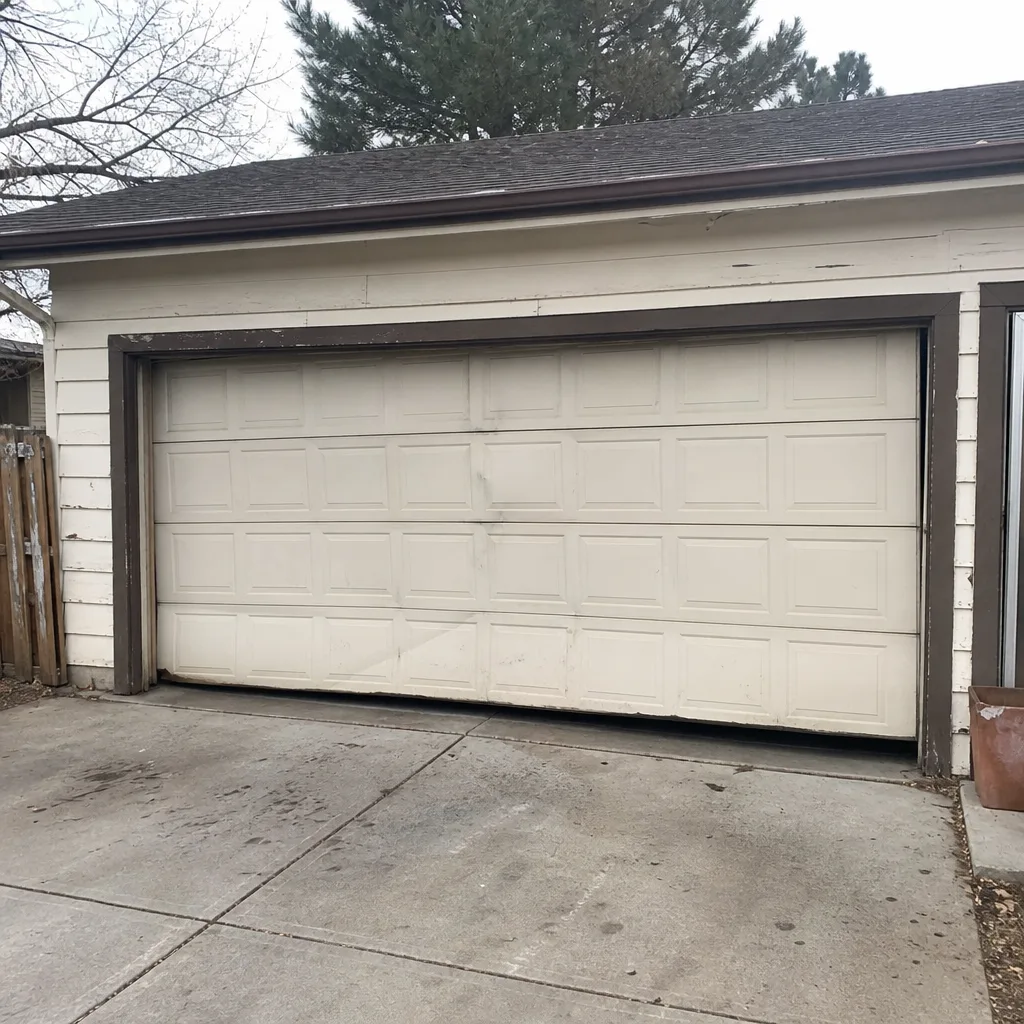 Before
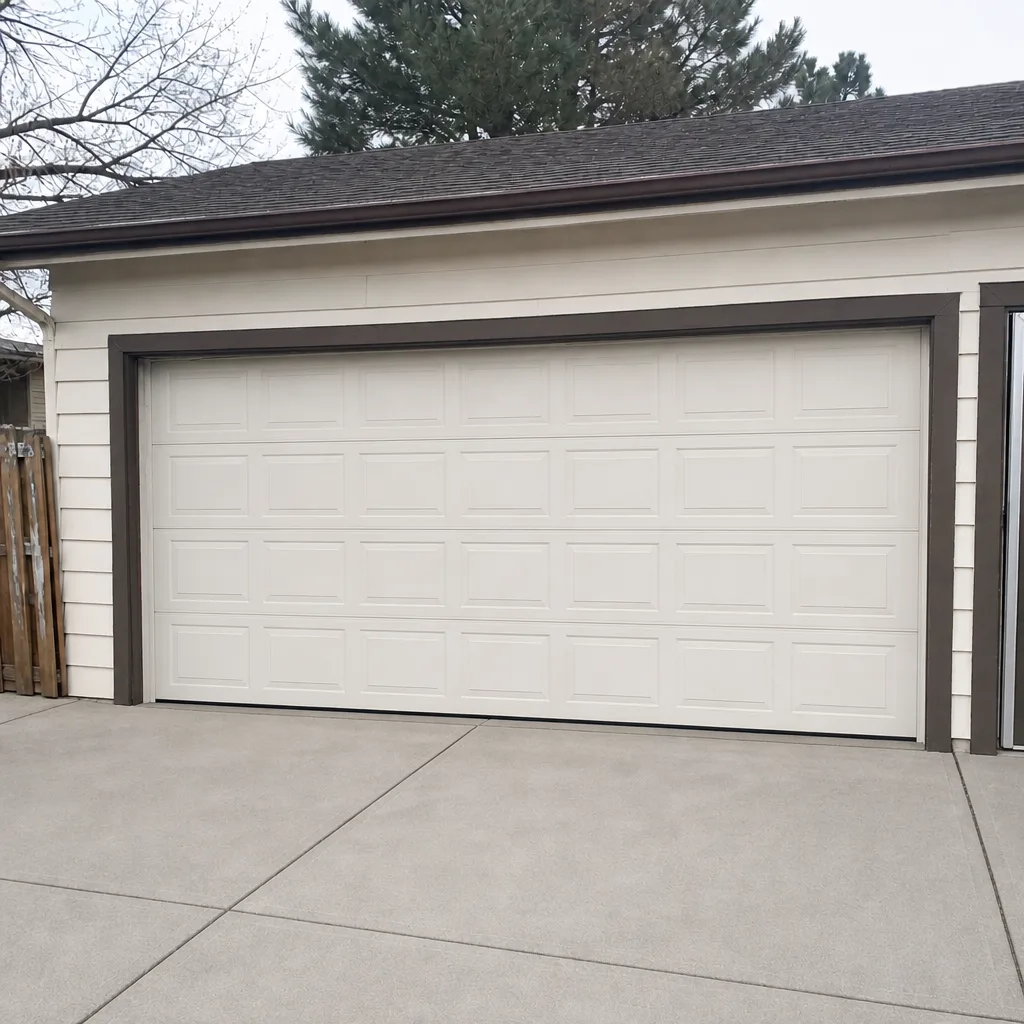 After
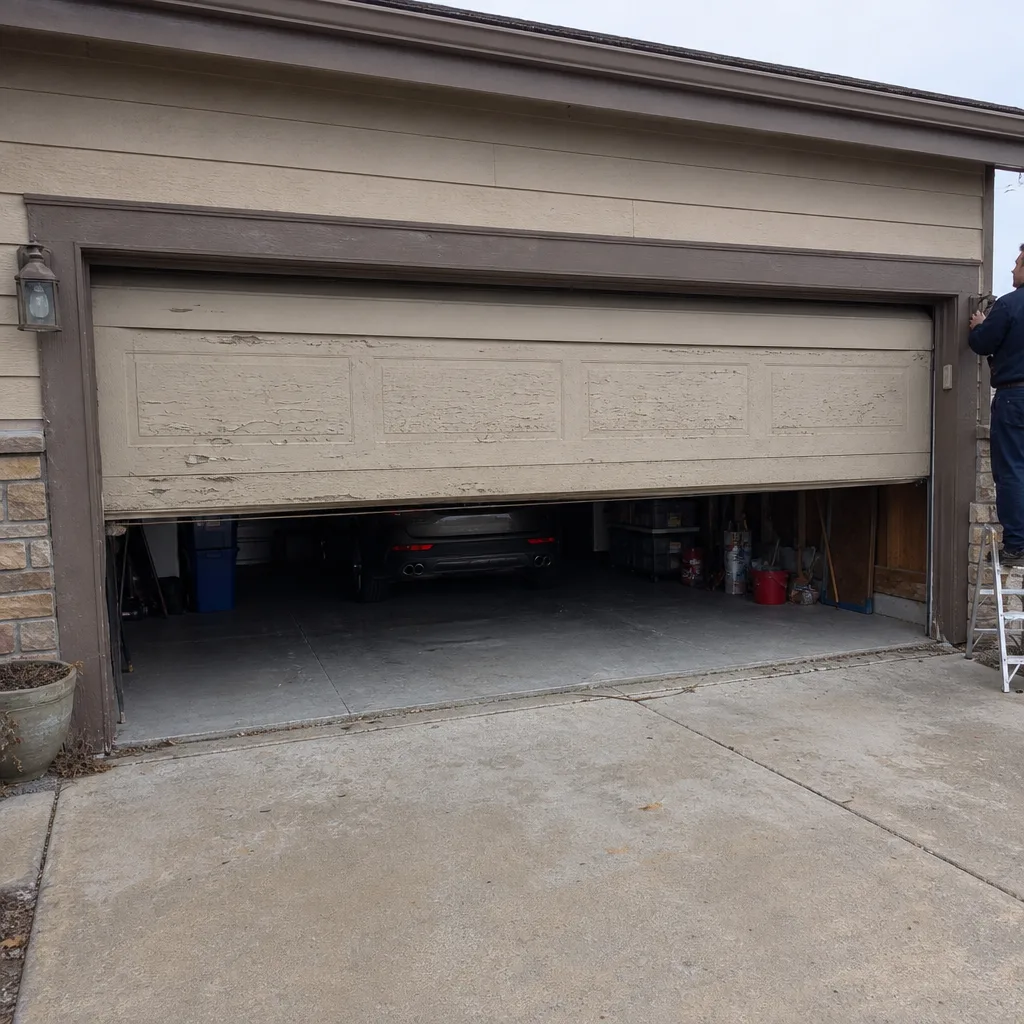 Before
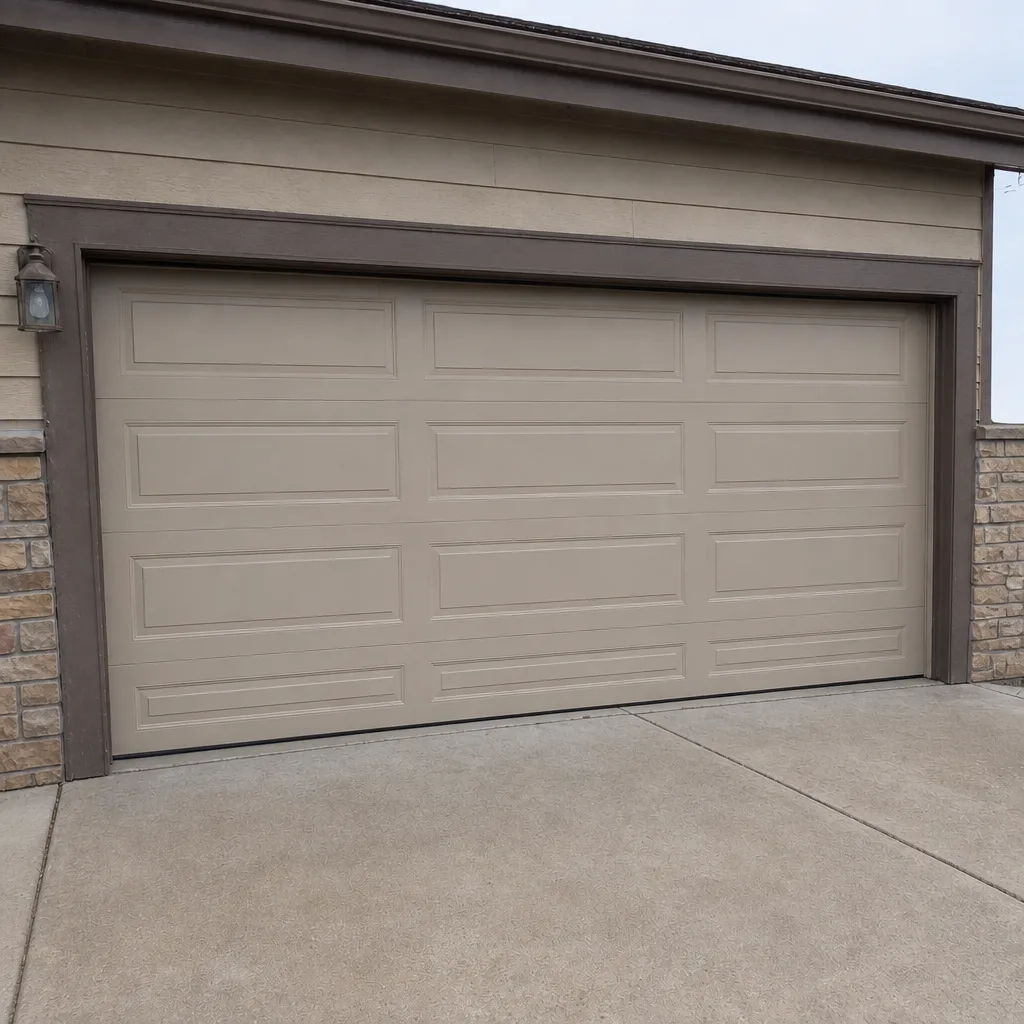 After
When to Call a Professional
The clearest triggers are all on the hard stop list: a broken spring, a snapped cable, a bent drum, a door that’s stuck, a door that won’t stay balanced, or structural mounting that’s pulling away from the framing. Those aren’t close calls. Also call when the middle-ground task has revealed something larger – a track that bent without an obvious cause, a roller that keeps wearing out, an opener that fails after being replaced. And call if a DIY attempt has left the door in a state you’re not sure is safe, because it’s far less expensive to have that corrected than to run the door until it fails on its own.
Broomfield Garage Door Repair Pros offers free estimates in Broomfield – call (833) 625-1667. We’ll come out, look at the door, and tell you honestly whether the job belongs on the DIY side, the middle ground, or the hard stop list. If it’s something you can do yourself, we’ll say so.
Frequently Asked Questions
No. Torsion and extension springs store heavy tension and can release it instantly if handled incorrectly, which makes spring replacement one of the most dangerous jobs in any home. Even an experienced DIYer should not attempt it. Call (833) 625-1667 for a free estimate on spring repair instead.
Bottom seal replacement, weatherstripping, lubrication, remote programming, sensor alignment, and painting are all reasonable to do yourself. Track realignment is safe when the track is intact and the door still runs smoothly; it stops being safe when the track is bent or the door binds.
It depends on the brand and model. Many door and opener manufacturers write their warranties around professional installation, and the finish and hardware warranties are the most affected. Read the warranty document that came with your specific door or opener before you start, because it’s the only authoritative answer for your model.
Spring repair is quoted by job after a diagnostic, and the written estimate is agreed before any work starts. That means the number you’re quoted is the number you pay. Call (833) 625-1667 for an exact quote – estimates are free, and the visit will also tell you whether the rest of the mechanism needs anything.
If the sensors are misaligned or blocked by something in the doorway, that’s a safe DIY fix and takes only a minute. If the door won’t close because the track is bent, a cable is off, or the door won’t stay balanced, stop and call a technician – those are signs of something on the hard stop list. Call (833) 625-1667 and we’ll diagnose it, with a free estimate if a repair is needed.
The local professionals we connect you with are licensed and insured as their state requires. We work on all eight of the widely installed brands – LiftMaster, Chamberlain, Genie, Clopay, Amarr, Wayne Dalton, Craftsman, and Raynor – so whichever system is in your garage, we’ll know it. Our technicians have up to 14 years of experience. Call (833) 625-1667 to book a free estimate.
The Bottom Line
The DIY vs professional question for a garage door in Broomfield isn’t about how confident you are. It’s about what’s on the other side of the task when it goes wrong. Seals, weatherstripping, lubrication, remotes, sensors, and painting are yours to do – safe, cheap, and genuinely worth taking on. Springs, cables, drums, and structural work are professional jobs, full stop, and trying to handle them yourself has real injury risk with no cost savings worth that trade. Track work is the gray zone, and its safety depends entirely on whether the misalignment is cosmetic or a symptom. Understand the line, and you’ll stop paying for work you can do and stop risking work you shouldn’t.
When you’re ready for a professional assessment – or a free estimate on a spring, opener, panel, or full installation – call Broomfield Garage Door Repair Pros at (833) 625-1667. Same-day and emergency service are available for doors that can’t wait, and every written estimate is agreed before work starts.
Written by the team at Broomfield Garage Door Repair Pros.